




 Business01 Jun 2026
World Cup 2026 Sparks $8 Billion Spending Surge in North America
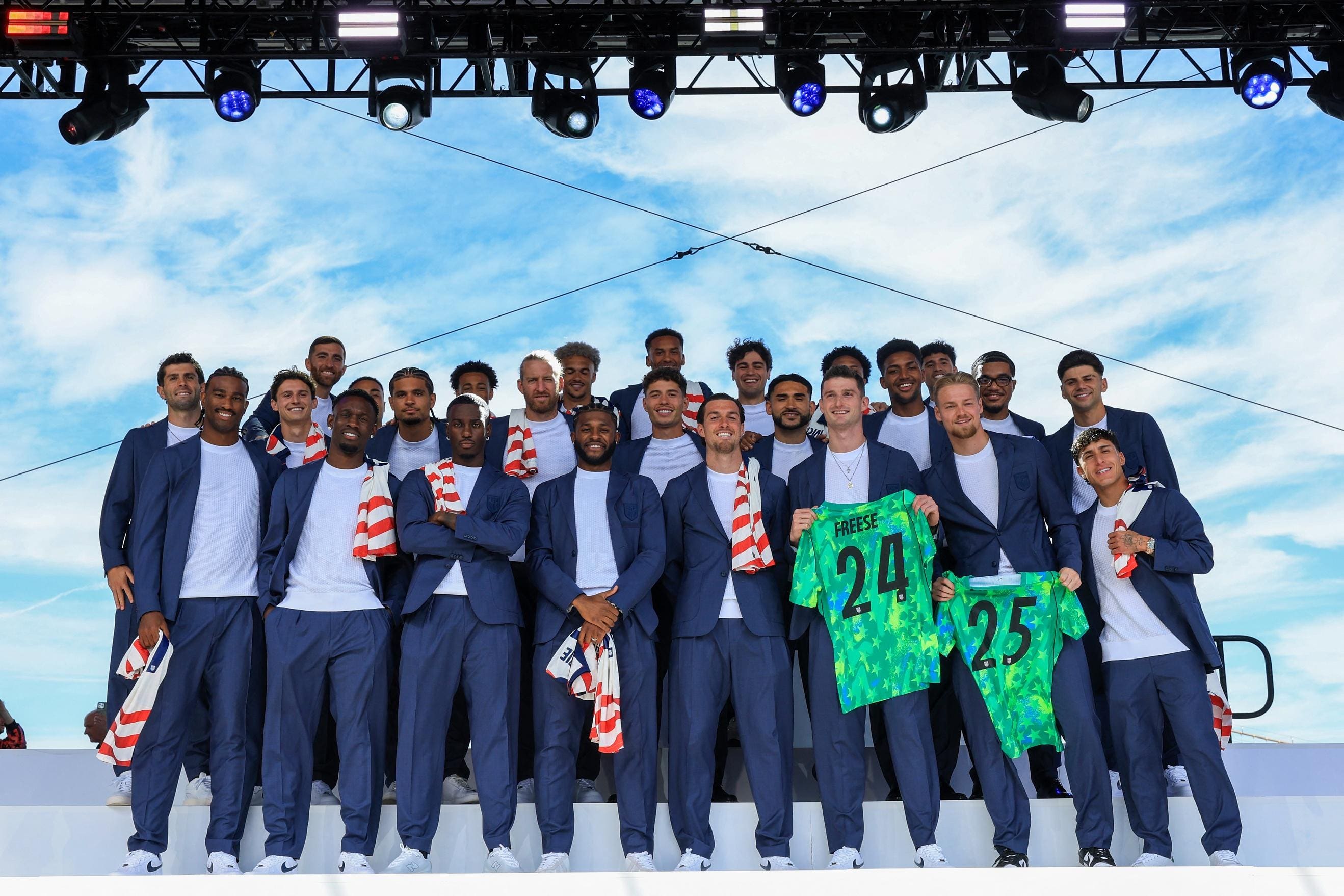
World Cup 2026 is set to generate over $8 billion in spending, reinventing travel and hospitality through luxury offerings and local events.
Major Economic Boost from World Cup 2026
The excitement for World Cup 2026 is palpable, with over 500 million ticket requests filed as fans gear up for what promises to be the largest tournament in history. Set to feature 48 nations and held across 16 cities in the United States, Canada, and Mexico, this event is anticipated to inject approximately $8.1 billion in visitor spending into the North American economy, according to estimates from Expedia Group and PredictHQ.
With the tournament weeks away, the commercial activity is already vibrant, reshaping how fans travel, spend, and engage with football.
Transformative Experiences and Luxury Packages
As World Cup fever mounts, various sectors are crafting unique experiences geared towards diverse audiences. Luxurious packages are redefining elite hospitality. For instance, The Peninsula New York is offering a World Soccer Championships Final Package that spans five nights at prices reaching $500,000. This comprehensive experience includes suite accommodations, private airport transfers, and a bespoke concierge service tailored to individual itineraries.
Meanwhile, The Mark Hotel has taken luxury a notch higher with its World Cup Extravaganza package, priced at an extravagant $1 million. This includes a four-night stay in a 12,000-square-foot penthouse complete with five bedrooms, a rooftop terrace overlooking Manhattan, and VIP access during the tournament's final weekend. This trend reflects a widespread demand for eliminating uncertainty and navigating the complexities of a major sporting event.
The Accessibility of Affordable Options
While luxury experiences dominate the headlines, a significant number of fans are creatively piecing together a budget-friendly experience. An example is the match between Saudi Arabia and Cape Verde in Houston, where resale tickets are priced as low as £96. With Houston's substantial hotel availability maintaining average rates of around $173 per night, it has emerged as an affordable host city. Additionally, Canada is catching attention as a surprising value destination, with group-stage matches featuring Belgium leasing tickets for about £233, encouraging fans to explore accommodations in nearby locations.
Innovative Engagement Through Community and Culture
Beyond individual travel experiences, local businesses are capitalizing on the tournament's energetic momentum. For example, the Wynwood Business Improvement District in Miami is launching a football-themed initiative called "Let’s Wyn." This includes a 48-country scavenger hunt that intertwines art, food, and exploration through the local community, enhancing regional visibility amidst the influx of visitors.
“The neighbourhood is the story,” remarks William Kelley, Executive Director of the Wynwood Business Improvement District, emphasizing how football acts as a catalyst for community engagement.
Insights into Modern Fandom and Participation
Major brands are also adapting to the cultural significance of football through collaborations and thematic offerings.
Loewe has partnered with Spain’s national teams to develop travel wardrobes, indicating the evolution of football's influence beyond the stadium into the realm of lifestyle and fashion. Similarly, rental platforms like Nuuly have tapped into modern consumer behavior by introducing initiatives that allow users to rent football-themed outfits during the tournament, aligning with the preferences of younger demographics who prioritize temporary engagement over permanent purchases.
Conclusion: An Evolving Sports Economy
The World Cup 2026 serves as a pivotal example of how mega sporting events transcend traditional boundaries of fandom. From extravagant penthouse stays to community-driven explorations, the landscape of sports economy is rapidly evolving, showcasing a range of participatory experiences that resonate with fans.
With commercial opportunities blooming in every dimension, it’s clear that while the football matches will be the focal point, the surrounding experiences will create lasting memories and contribute significantly to local and national economies.
The upcoming tournament is more than just about crowning a champion; it's about the diverse commercial ecosystem that flourishes in its wake.
Popular news
Brazil is emerging as a formidable competitor to China's rare earths dominance, driven by growing global demand and significant investments.



Subscribe to
our news
Get the most important updates and top stories in your inbox.