




 World31 May 2026
Brazil Challenges China's Rare Earths Market Dominance
Brazil is emerging as a formidable competitor to China's rare earths dominance, driven by growing global demand and significant investments.
Brazil's Ascendancy in Rare Earths
Brazil is rapidly becoming a competitor to China in the rare earths market, as the global demand for these critical resources continues to surge. The country boasts the second-largest rare earth reserves in the world, estimated at approximately 21 million tons. This new landscape is prompting mining companies to pivot their focus toward Brazil, anticipating it will become a key player in the supply chain essential for electric vehicles and renewable energy technologies.
The New Gold Rush
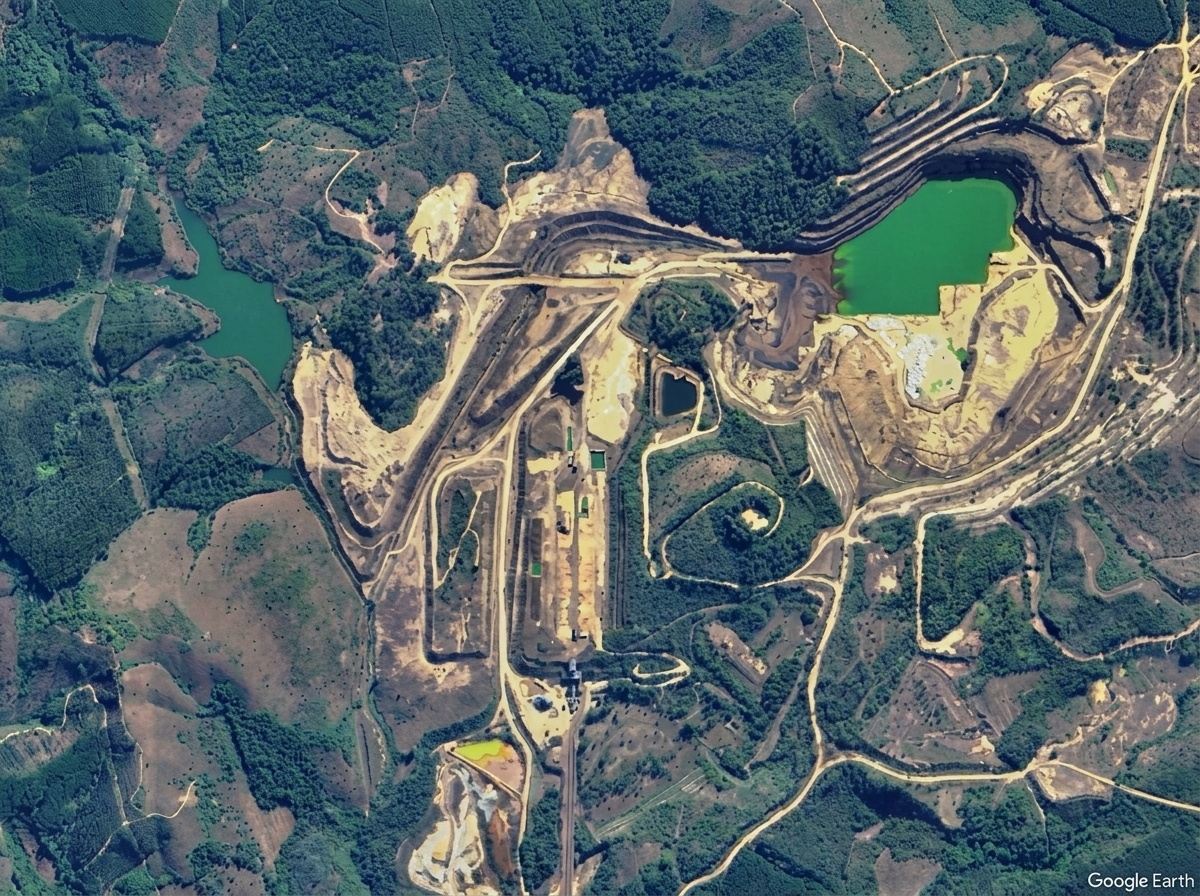
"The next big, rare earth projects in the world will be in Brazil," claims Andrew Tunks, CEO of the Australian mining firm Meteoric Resources. He believes that with time, Brazil will emerge as a strong competitor to China. Meteoric is significantly investing in Brazil, particularly in its Caldeira project located in Minas Gerais, which is touted as one of the world's largest deposits of ionic clay—vital for producing medium and heavy rare earth elements such as dysprosium and terbium.
According to the International Energy Agency (IEA), the demand for magnet rare earth elements has doubled since 2015, with projections indicating a further increase of one-third by 2030. The reliance on these elements is driven by the electrification of transport and advancements in renewable energy technologies.
Surge in Mining Applications
The increased global demand has spurred an unprecedented boom in mining applications for rare earth extraction in Brazil. Currently, over 2,758 projects are under consideration by the National Mining Agency (ANM), a staggering rise from just over 250 applications filed between 1975 and 2020. The mining sector's shift towards rare earths is creating substantial growth opportunities in what has been referred to as Brazil's new "gold rush."
Over the past year, share prices of companies investing in Brazil's rare earth sector have skyrocketed, reflecting heightened investor interest. For instance, USA Rare Earths has made headlines by acquiring the country's only active rare earth mine for $2.8 billion, solidifying its foothold in the market.
Competitive Challenges Ahead
Despite the promising prospects, Brazil faces significant challenges, particularly in refining capacity, where China dominates the market with over 90% of global production and a staggering 95% market share for permanent magnets. Brazilian companies have predominantly focused on exporting raw materials, limiting their involvement in local processing and production.
While discussions are underway for Brazil to develop its own rare earth value chains, industry experts like Tunks caution that building a competitive manufacturing sector will require time and significant investment. "Brazil could become competitive relatively quickly in mining. But when it comes to manufacturing, it will still take some time," he noted.
Natural Advantages
Geologically, Brazil has the upper hand due to around 73% of its rare earth deposits found in ionic clay formations, which make extraction easier compared to other methods. The country’s mines can operate entirely on renewable energy sources, aiding both environmental sustainability and cost-effectiveness in operations.
As the rare earths sector continues to evolve, Brazil's challenge will be to harness its resources effectively, attract further investments, and strategically build its manufacturing capabilities. If successful, Brazil could redefine the global rare earth landscape, potentially diminishing China's long-held dominance in this crucial market.
Popular news
The Ebola outbreak in the DRC is disproportionately impacting women, primarily caregivers facing serious health risks amid funding cuts.




Subscribe to
our news
Get the most important updates and top stories in your inbox.