 Technology10 May 2026
Why Are My Peace Lily Leaves Curling? A 3-Step Guide to Revive Them
Discover why your peace lily leaves are curling and how to fix it with this simple 3-step routine.
Understanding Curling Leaves in Peace Lilies
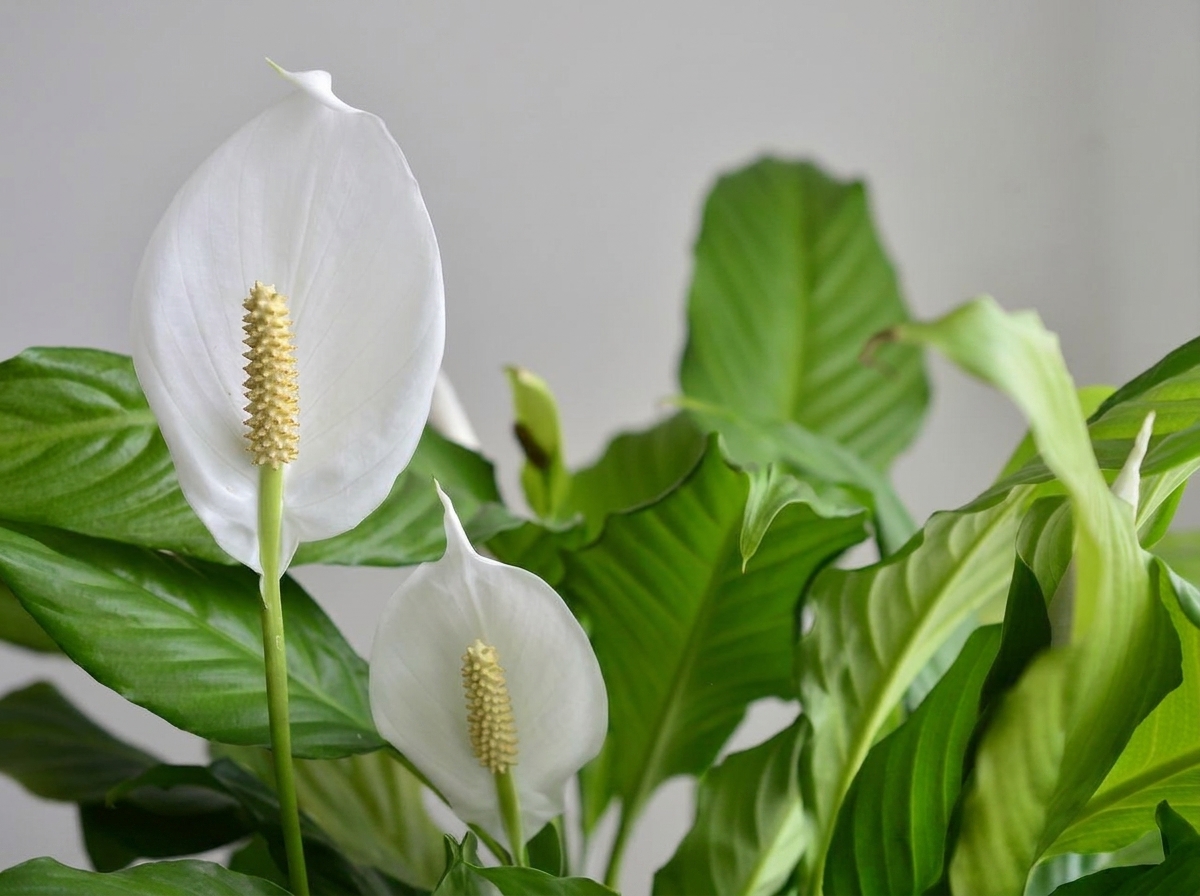
Peace lilies are popular houseplants known for their elegant white flowers and lush green leaves. However, owners might face the puzzling problem of curled leaves. When your peace lily displays this behavior, it’s communicating stress from its surrounding conditions.
Curling leaves typically mean the plant is reacting defensively to environmental factors it finds unfavorable. Here, we’ll explore the primary causes of leaf curling and provide a straightforward three-step routine to help rescue your peace lily.
Common Causes of Leaf Curling
-
Improper Watering
One of the leading causes of curled peace lily leaves is improper watering. Both underwatering and overwatering can inflict stress on the plant, prompting it to curl its leaves as a protective measure.- Underwatering: When the plant does not receive enough water, the leaves curl inward to minimize water loss. This can result in drooping leaves and dry soil pulling away from the pot edges.
- Overwatering: Conversely, too much water can suffocate the roots, leading to impaired water absorption. This causes leaves to curl even when the soil is wet, often accompanied by yellowing leaves.
To remedy this, establish a balanced watering schedule that allows soil to dry slightly between sessions and always empty saucers to avoid standing water.
-
Excess Sunlight
Peace lilies thrive in bright, indirect light. Exposure to direct sunlight can burn the leaves, causing them to curl as a means of reducing their exposure. This can lead to visible damage such as bleached patches or brown spots.- Placement Tips: Ideally, position your peace lily near east-facing windows that provide gentle morning light. If your plant is near south or west-facing windows, consider moving it several feet back or filtering light through sheer curtains.
-
Low Humidity
Since peace lilies prefer higher humidity levels, low indoor humidity can trigger curling in the leaves. This is particularly prevalent during winter months when heating systems dry out the air.- Increasing Humidity: To combat this, relocate your peace lily to naturally humid areas like kitchens or bathrooms, use a pebble tray filled with water beneath the pot, or cluster multiple plants together to create a more humid microenvironment.
The 3-Step Routine to Revive Your Peace Lily
Restoring a peace lily to its former glory involves addressing the conditions causing stress:
-
Revise Your Watering Technique
Ensure the watering routine is balanced. Allow the top few inches of soil to dry out between waterings and remember to check for drainage to prevent root rot. -
Optimize Light Exposure
Adjust the plant’s location to prevent direct sunlight from reaching the leaves. Aim for bright, indirect light to help your peace lily thrive. -
Enhance Humidity Levels
Elevate humidity through simple methods such as using pebble trays, relocating the plant, or grouping it with other plants to increase moisture levels in the surrounding air.
By following these steps, your peace lily should gradually bounce back. The current leaves will take time to unfurl and return to their healthy state, but new growth will emerge looking lush and flat, indicating a successful recovery.
Popular news
Trump declares a three-day ceasefire in the Russia-Ukraine war, with both sides agreeing. A prisoner exchange is also set in motion.





Subscribe to
our news
Get the most important updates and top stories in your inbox.