




 World10 Jun 2026
US Inflation Reaches New Three-Year High Amid Rising Energy Costs
US inflation hits a three-year peak in May, driven by soaring energy prices, with potential Federal Reserve interest rate hikes looming.
Inflation Hits New Heights
Consumer inflation in the United States has surged to a three-year high as energy prices soar amid ongoing geopolitical tensions. According to the U.S. Labor Department's Bureau of Labor Statistics (BLS), inflation rose by 0.5 percent in May compared to the previous month, following an increase of 0.6 percent in April. Year-over-year, prices are now 4.2 percent higher, marking a significant increase that is felt by many American households.
The Burden of Rising Energy Costs
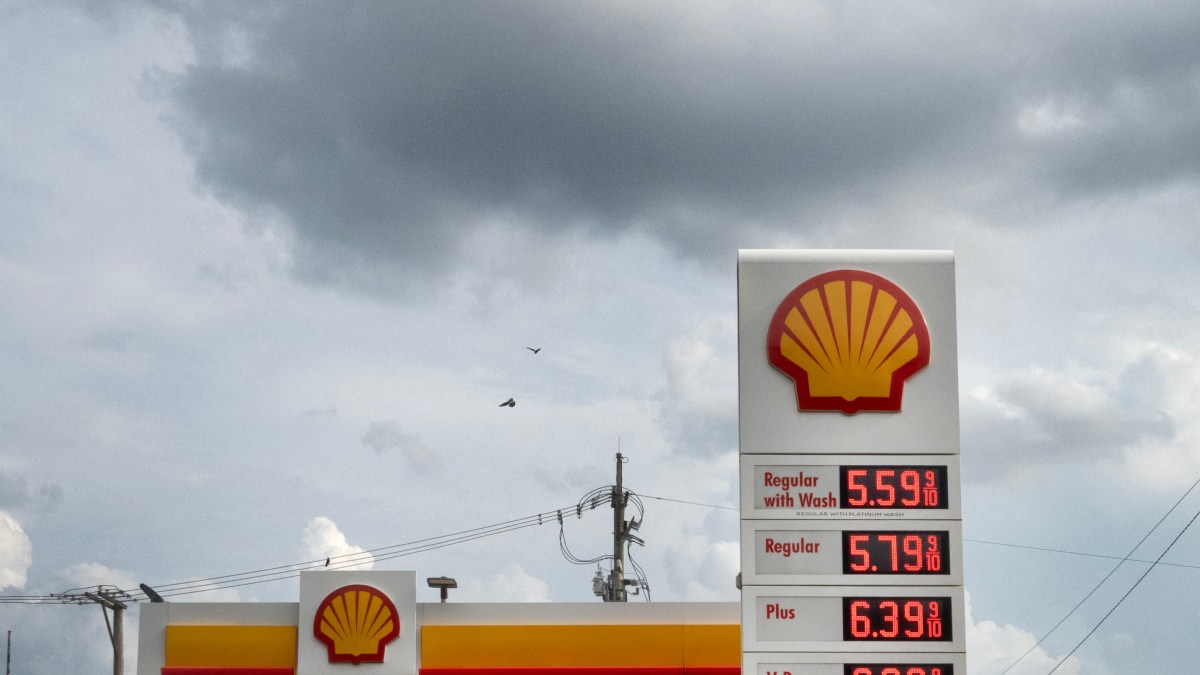
The primary driver behind this inflationary spike is a drastic increase in energy prices, which rose by 3.9 percent in May. Petrol prices, in particular, have shot up by a staggering 7 percent over the past month, now exceeding 40 percent higher than they were a year ago. As of now, the price for a gallon of petrol is reported to be $4.15, a dramatic rise from the $2.98 level registered last February when geopolitical tensions escalated between the US and Iran.
Alex Jaquez, a former member of the White House National Economic Council, noted, "High prices are here to stay. This month’s CPI print offers no relief to working families, who are being forced to pinch pennies and tighten belts."
Broader Economic Trends
The inflationary trend is not limited to energy costs. Higher shelter costs, which increased by 0.3 percent in May, are adding to financial pressure on consumers. Food prices also rose, although at a slower pace—up only 0.3 percent this month compared to higher gains of 0.6 percent in April and 0.5 percent in March.
In stark contrast to rising prices, real wages have declined for two consecutive months, with an observed drop of 0.1 percent in May. This duality of rising costs alongside stagnant wages raises significant concerns about financial pressures faced by the middle class and lower-income households. Heather Long, chief economist at Navy Federal Credit Union, emphasized this, stating, "Americans are getting squeezed financially by inflation. It’s not just bad vibes about the economy now; there are real financial pressures."
Federal Reserve's Response
As inflation pressures ramp up, the Federal Reserve faces increasing scrutiny over its monetary policy. Upcoming meetings reveal that interest rate hikes may soon be necessary to tackle the inflation issue. The Board of Governors is now led by Kevin Warsh, who assumed the chairmanship last month. Current forecasts indicate that while rates are likely to remain steady in the short term, an increase could occur within the next few months, with projections hinting at a 38 percent chance for a quarter-point hike by October.
Market Reactions
The financial markets reacted by posting declines across major indexes, as investors digested the implications of rising inflation and potential Fed actions. The S&P 500 saw a decrease of 1 percent during midday trading, while the Dow Jones Industrial Average fell by 1.3 percent, and the Nasdaq Composite dropped by 1.4 percent. Gold prices also fell sharply in response to the inflation data, reflecting investor sentiment regarding potential interest rate hikes that could dampen gold's appeal as a safe-haven investment.
As conditions unfold, consumers and investors alike will be closely monitoring the Federal Reserve’s actions and further developments in energy markets, which continue to play a pivotal role in this inflationary climate.
Popular news
FIFA's Gianni Infantino praises Trump’s support and welcomes Iran to the World Cup in an exciting ceremony in Mexico City.




Subscribe to
our news
Get the most important updates and top stories in your inbox.