




 Health25 Sept 2026
Understanding Prison Health as Longitudinal Care: Insights from Brazil
Brazil’s prison health challenges call for a longitudinal care approach to enhance health outcomes for incarcerated individuals.
The Complexity of Prison Health in Brazil
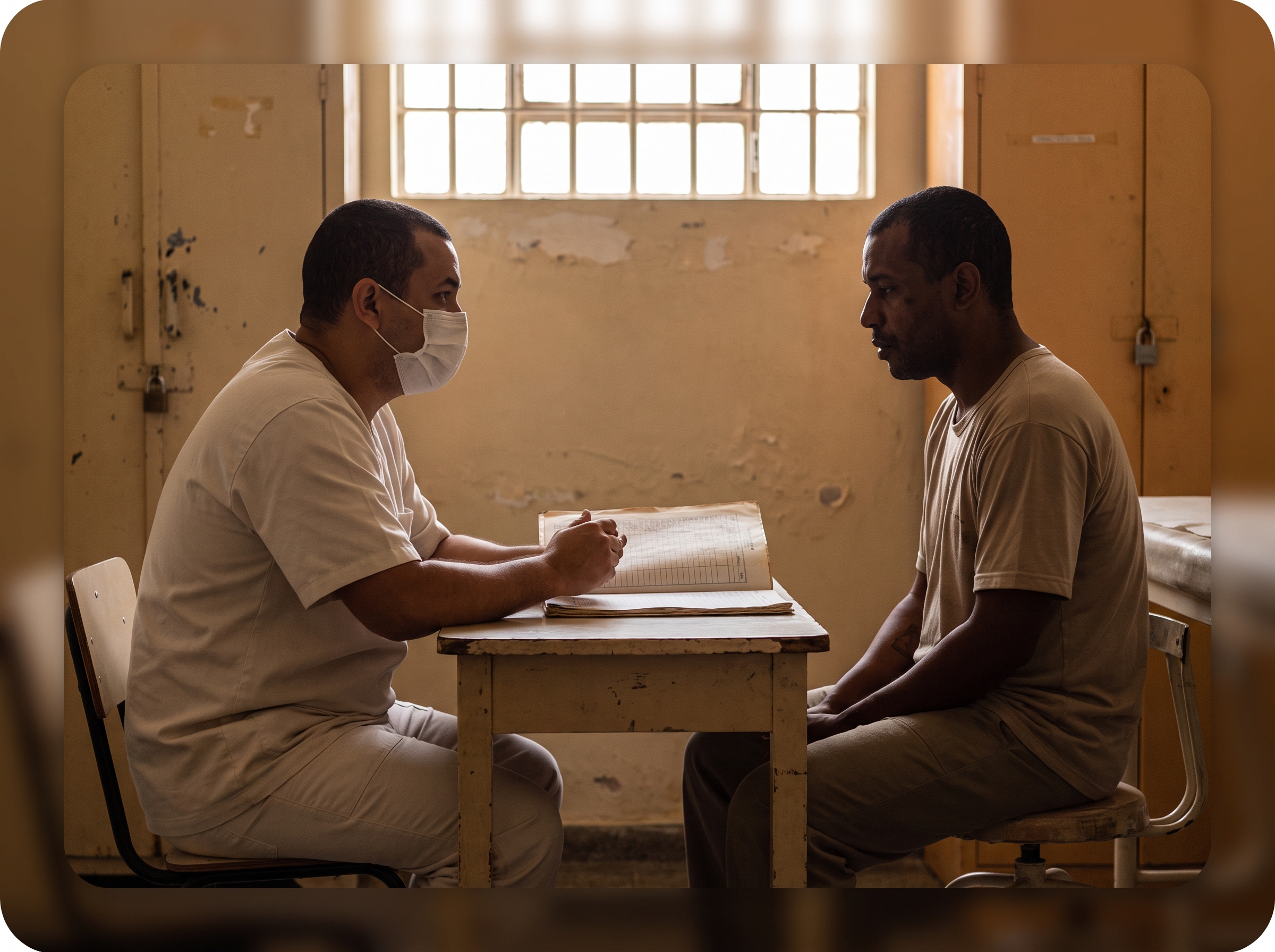
In a recent article published by The Lancet, the nuances of prison health within Brazil are examined, shedding light on the significant health challenges faced by a burgeoning prison population estimated at 850,000 in 2024. As highlighted by Talha Burki, the prison system not only grapples with issues such as multimorbidity but also struggles under the weight of mental distress, hazardous substance use, and premature ageing. These challenges pose a profound question: how can health care systems best serve the incarcerated individuals in Brazil?
Longitudinal Care: A Necessary Shift
The notion of considering prisons as territories of longitudinal care is emerging as a critical framework within the healthcare discourse. The concept advocates for continuous, holistic health management rather than fragmented services that typically dominate healthcare delivery in prison settings. This model aims to recognize and integrate the complex overlapping health needs of prisoners, facilitating better health outcomes over time.
Multimorbidity and Mental Distress
Young and ageing inmates alike face health issues that are both chronic and acute. The confluence of multimorbidity—the coexistence of multiple chronic conditions—among the inmate population complicates health interventions. Many individuals enter prison already battling various health problems, ranging from physical ailments to severe mental health issues. Mental distress, exacerbated by the prison environment, compounds these struggles and stifles recovery options. By treating prisons as platforms for longitudinal care, healthcare providers can tailor interventions that address these overlapping health issues in a cohesive manner.
Addressing Access to Care
Historically, access to healthcare in prison has been fragile at best. With limited services available, many inmates do not receive necessary medical attention, leading to deteriorating health conditions that remain unaddressed throughout their sentences. Transforming prisons into centers of longitudinal care requires not only adequate resources but also a fundamental shift in how healthcare policies are crafted and implemented within the prison system.
Conclusion
By adopting a longitudinal care approach within Brazil's prison healthcare system, we can create sustainable health improvements for incarcerated individuals. Addressing the intricacies of multimorbidity and mental health distress in a structured and continuous manner holds the potential to significantly enhance the overall health outcomes for a vulnerable population, as emphasized by the ongoing discussions highlighted in The Lancet.
Popular news
Netanyahu dismisses West Bank violence as actions of 'juvenile delinquents' during a UN speech, focusing on Israel's military success against Hezbollah.





Subscribe to
our news
Get the most important updates and top stories in your inbox.