




 Business24 Sept 2026
Rapid Rise in Treasury Yields Sparks Financial Alarm: Experts Warn of Potential Calamities
The surge in 10-year Treasury yields raises alarm bells for financial markets; analysts warn of potential disruptions ahead.
Rise of the 10-Year Treasury Yield
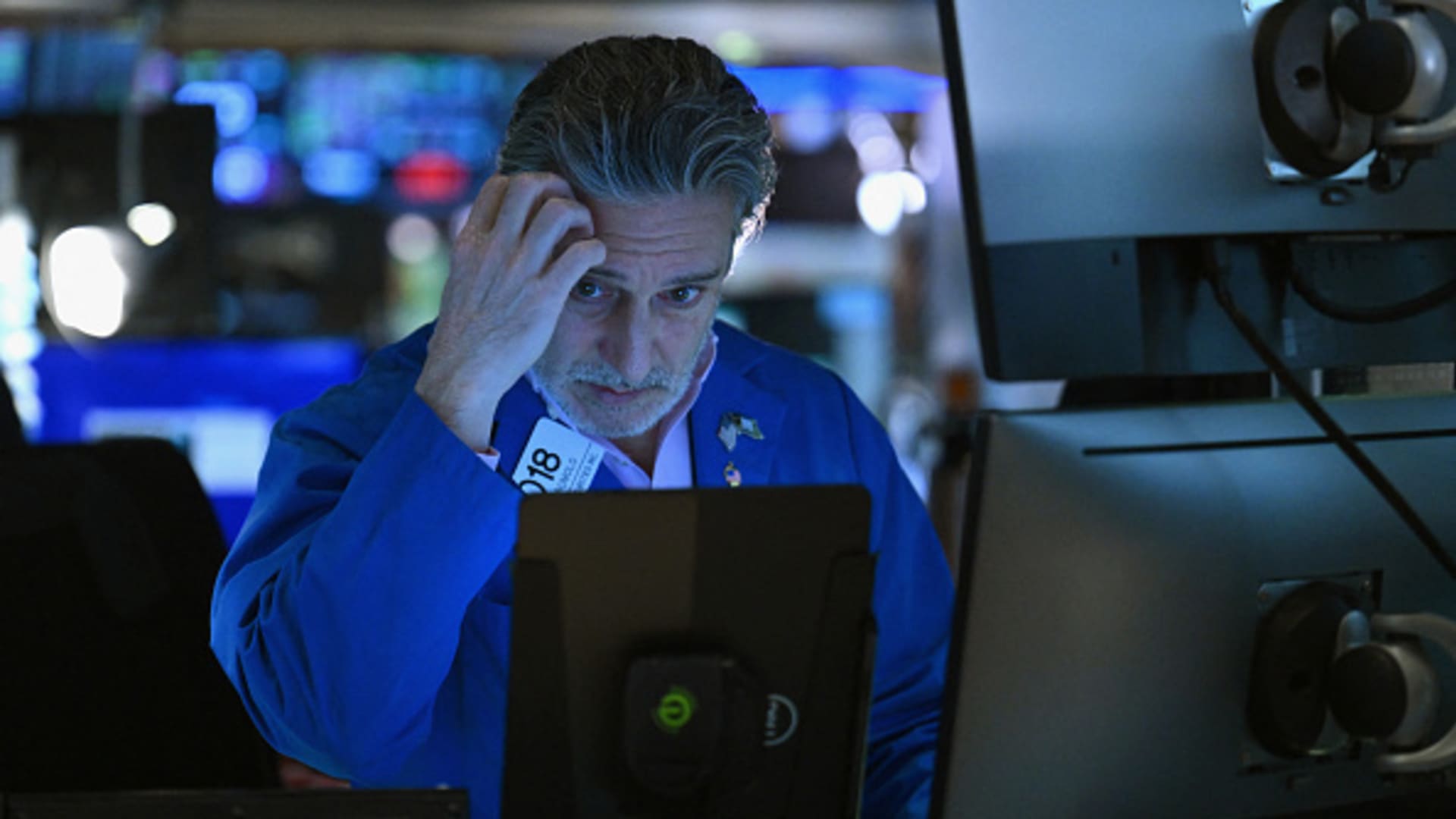
The financial landscape is brimming with anxiety as the yield on the 10-year Treasury note has recently skyrocketed, surpassing 5.17%. This steep climb, particularly noted for its rapid pace, has triggered alarms across Wall Street, drawing parallels to historical financial disruptions where similar rate hikes led to market calamities.
Historical Precedents
In a thorough analysis, John Roque, head of technical analysis at 22V Research, highlighted the troubling pattern that emerges from past instances. "Something always breaks," Roque stated, as he referenced a historical look at 16 instances over the last fifty years where a quick rise in the 10-year yield precipitated financial crises. Each occurrence, whether the brief failure of Silicon Valley Bank in 2023 or the infamous 1987 stock market crash, showcased how rapid yield increases can destabilize financial markets, particularly affecting risk assets.
The Impact of Rising Rates
The 10-year Treasury yield serves as a benchmark for borrowing costs throughout the economy, impacting a wide array of sectors beyond just government bonds. With borrowing costs contingent on stable yields, any rapid increases can unsettle the delicate balance of investments dependent on fixed and predictable rates.
Roque further elaborated, stating, "As sure as day follows night, when the 10-year Treasury yield rises, something gets knocked out. It just pays to be cautious."
The Effect on Financial Institutions
A key area of concern during this period of increasing yields is regional banks, which Roque stresses must remain strong for market stability. The State Street SPDR S&P Regional Banking ETF (KRE) has already seen a drop of nearly 10% from recent highs, a figure flirting with correction territory. Historically, high-interest rates have severely impacted the banking sector, often revealing vulnerabilities that could ripple throughout the financial system.
Vulnerable Sectors
The implications of rising rates are also being felt in other sectors such as utilities and homebuilders. Just last week, the S&P 500 utilities sector plummeted over 4%, becoming the worst-performing sector among the index’s eleven groups. Roque warns that this is reflective of a broader sentiment towards what he describes as a secular rise in bond yields, suggesting that we may be entering a bear market for bonds.
"It has taken considerable effort from the bond market to shift prevailing beliefs that rate increases would be temporary. However, I think this time is starkly different," Roque cautioned.
Preparing for Potential Disruptions
As traders and investors reassess their strategies in light of these developments, JPMorgan's trading desk recently advised vigilance regarding bond market volatility, noting that such fluctuations often serve as significant headwinds for stock market performance. Given the current climate, many experts are left pondering: which sector will face the brunt of these rapid increases in yield?
In summary, the swift rise in the 10-year Treasury yield is not merely a statistic to note. Analysts emphasize the potential for financial disturbances based on historical patterns, suggesting that investors and institutions alike should prepare for upcoming challenges as the markets navigate these uncertain waters.
Popular news
Netanyahu dismisses West Bank violence as actions of 'juvenile delinquents' during a UN speech, focusing on Israel's military success against Hezbollah.



Subscribe to
our news
Get the most important updates and top stories in your inbox.