




 Business24 May 2026
Trump Defends Iran Ceasefire Deal Amid GOP Backlash
Trump pushes back against GOP criticism regarding Iran negotiations, asserting a strong deal is in progress despite Republican concerns.
Trump Faces Republican Criticism Over Iran Ceasefire
President Donald Trump is encountering significant pushback from various Republican lawmakers regarding his administration's emerging ceasefire deal with Iran. Prominent figures like Senators Ted Cruz, Lindsey Graham, and Roger Wicker have raised alarms about the implications of a potential agreement, expressing fears that it may inadvertently strengthen Tehran's regime and its nuclear ambitions.
Lawmakers Voice Concerns
The deal, which Trump has described as “largely negotiated,” has left many conservative analysts and former Cabinet members uneasy, questioning whether it could render the previous U.S. efforts to restrain Iran ineffective.
Ted Cruz's Warning
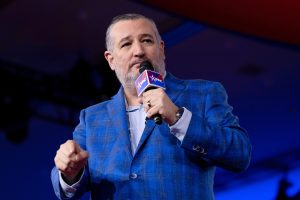
Senator Ted Cruz, R-Texas, articulated one of the strongest critiques, labeling the decision to engage diplomatically with Iran as the most critical of Trump’s second term. Cruz warned that if the result of these negotiations allows Iran to continue enriching uranium and gaining financial resources, it would be a catastrophic miscalculation.
“If the result of all that is to be an Iranian regime — still run by Islamists who chant ‘death to America’ — now receiving billions of dollars ... that outcome would be a disastrous mistake,” Cruz stated on social media (X).
Lindsey Graham and Roger Wicker's Skepticism
Similarly, Senator Lindsey Graham, known for his close ties to Trump, criticized any arrangement that would permit Iran to maintain its influence in the region. He emphasized that allowing Iran to retain capabilities to disrupt oil infrastructure in the Gulf would send negative ripples through global stability.
Senator Roger Wicker, the chairman of the Senate Armed Services Committee, also questioned the sense of a proposed 60-day ceasefire, claiming it would lead to a complete disregard of the accomplishments made through military operations against Iran. “Everything accomplished by Operation Epic Fury would be for naught!” he declared.
Trump Defends the Negotiations
Amidst the outcry from GOP ranks, Trump defended the negotiations, asserting they are not finalized and emphasizing the importance of achieving favorable terms. He encouraged dissenters to refrain from further criticism:
“So don’t listen to the losers, who are critical about something they know nothing about,” Trump said.
He outlined that his negotiations aim to differ fundamentally from the previous Iran nuclear deal associated with the Obama administration, which he criticized. “Both sides must take their time and get it right. There can be no mistakes!” Trump added.
Support for Negotiation and Peace
Not all voices in the Republican Party oppose this diplomatic approach. Senator Rand Paul of Kentucky was among those who defended the negotiations, arguing that peace ultimately is reached through diplomacy, not continued military conflict.
“War virtually always ends with negotiations,” Paul conveyed on social media, urging critics to allow Trump the space to craft a solution favorable to U.S. interests.
Potential Outcomes and Future Implications
Under the current proposal, the conflict would conclude, requiring Iran to reopen the Strait of Hormuz and relinquish its stockpile of highly enriched uranium. As the details unfold, skepticism remains high regarding whether the terms will genuinely prevent Iran from advancing its nuclear capabilities.
Ongoing Criticisms from Former Officials
Former Secretary of State Mike Pompeo expressed concern over the direction of the deal, suggesting it echoed the previous agreement from which Trump withdrew. Meanwhile, former National Security Adviser John Bolton criticized the negotiations, warning that they would empower the Iranian regime significantly.
Conclusion
As the Trump administration continues to navigate these contentious diplomatic waters, key GOP leaders are expected to maintain pressure against concessions that could embolden Iran. With public sentiment revealing a general unpopularity of the ongoing conflict — which has already cost the U.S. significant resources and lives — the stakes in these negotiations remain exceptionally high.
This evolving situation highlights the delicate balance Trump must strike between pursuing peace and appeasing critics within his party. As discussions progress, the implications for U.S. foreign policy and regional stability will undoubtedly remain a hot topic of debate.
Popular news
Trump pushes back against GOP criticism regarding Iran negotiations, asserting a strong deal is in progress despite Republican concerns.



Subscribe to
our news
Get the most important updates and top stories in your inbox.