




 World29 May 2026
Superbug Crisis: The Contamination of Our Waterways and Soils by Pharmaceuticals
Pharmaceuticals are contaminating rivers globally, fueling antibiotic-resistant superbugs. Solutions include improved wastewater treatment and biodegradabl
The Growing Threat of Antibiotic-Resistant Superbugs
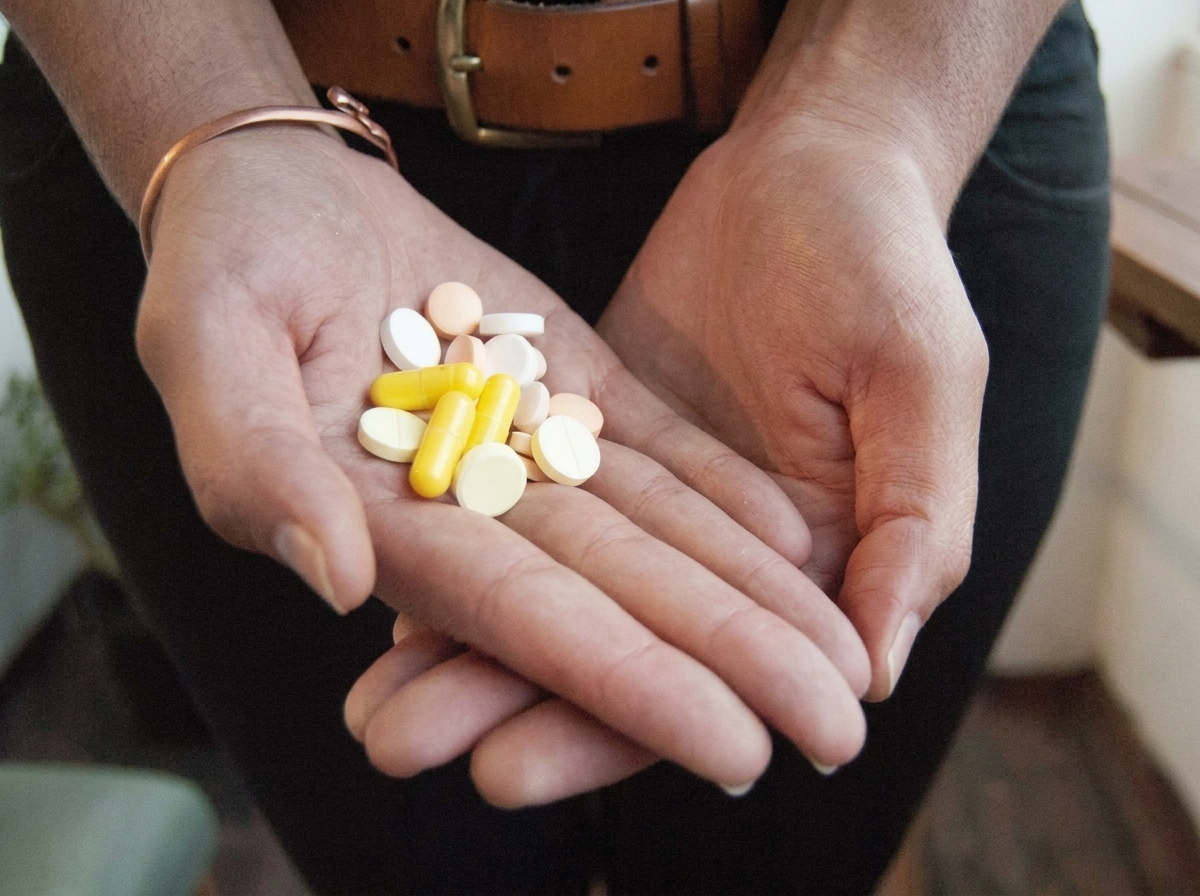
Pharmaceuticals are infiltrating rivers and soils worldwide, posing a significant health risk through the emergence of antibiotic-resistant superbugs. These superbugs are a growing global health crisis, with projections estimating they could cause up to 10 million deaths annually by 2050 if left unchecked. The amplification of this crisis is attributed to both the overuse of antibiotics in healthcare and environmental pollution stemming from human waste and agricultural runoff.
The Uncontrolled Spread of Antibiotics
Antimicrobial resistance (AMR), wherein bacteria adapt to withstand antibiotics, has been identified as a major challenge by the United Nations. With the increase in antibiotic use—more than 30,000 tons annually—contamination of natural water sources is becoming rampant. According to a study by environmental science professor Alistair Boxall from the University of York, pharmaceuticals were detected in river water across 1,000 sites in 104 countries, with only Iceland and a remote Venezuelan village remaining contamination-free.
The only remaining untouched sites highlight the global scale of the issue. Rivers worldwide carry high concentrations of various medications, including antibiotics and other pharmaceuticals, raising serious concerns about their impact on ecosystems and human health.
Pathways of Pollution: How Drugs Enter the Environment
When patients take medications, not all of it is absorbed; the excess is excreted and filtered through sewage systems. Many wastewater treatment plants lack the capability to fully remove pharmaceutical residues, allowing these substances to pass into waterways. Globally, only about 50% of wastewater is treated prior to discharge, with poorer regions suffering from severely limited treatment options.
Agricultural run-off further complicates matters. Livestock often receive antibiotics—amounting to at least double the human consumption. The use of manure as fertilizer can lead to contaminating nearby waterways, contributing to the spread of antibiotic-resistant bacteria in ecosystems.
The Ecological Impact of Pharmaceutical Pollution
Research highlights troubling consequences for wildlife. In North America, contaminants from the contraceptive pill have caused male fish to undergo "feminization," adversely affecting their reproductive capabilities. Similar adverse effects have been documented with antidepressants affecting bird behavior. These incidents underscore the urgent need for action to mitigate pharmaceutical pollution.
Potential Solutions: Enhancing Wastewater Treatment and Drug Design
To face this looming crisis, enhancing wastewater treatment practices is essential. In many developed regions, upgrading treatment facilities could involve advanced processes such as the use of activated carbon filters to capture pharmaceutical compounds. However, these upgrades are costly and can lead to increased greenhouse gas emissions—challenges that are not easily navigated, particularly by lower-income nations.
In Europe, initiatives are underway, such as the Urban Wastewater Treatment Directive, mandating upgrades at treatment facilities, with substantial funding from the pharmaceutical industry. In the U.S., the Environmental Protection Agency has begun listing pharmaceuticals as contaminants for drinking water, reflecting an increasing awareness of the issue.
Biodegradable Medications: A Future Solution
Experts suggest that developing biodegradable medications could be pivotal in addressing pharmaceutical pollution. Klaus Kümmerer from Leuphana University of Lüneburg is advocating for drugs that decompose completely after serving their purpose. While research has yielded promising biodegradable alternatives to existing antibiotics, industry involvement is necessary to bring these innovations to market.
Ultimately, a multifaceted approach that combines improved wastewater treatment and the careful management of pharmaceutical prescriptions is essential to tackling the superbug crisis, highlighting the importance of prescribing only what is strictly necessary.
As the world grapples with the fallout from antibiotic resistance, it is clear that immediate and comprehensive actions are needed to protect public health and the environment from the pervasive effects of pharmaceutical pollution.
Popular news
The EU has sanctioned extremist Israeli settlers for serious human rights abuses against Palestinians in the West Bank, targeting settlement groups.



Subscribe to
our news
Get the most important updates and top stories in your inbox.