



 World26 May 2026
Starbucks Faces Sales Plunge in Korea Over Controversial Ad Campaign
Starbucks Korea's sales tumble after 'Tank Day' ad angered the public over its reference to a historic military crackdown on pro-democracy protests.
Sales Decline for Starbucks Korea Amid Backlash
Starbucks Korea has suffered a remarkable decline in sales following significant public backlash against its recent marketing campaign labeled "Tank Day." This controversial campaign referenced the deadly 1980 military crackdown on pro-democracy protests during the Gwangju Uprising, a sensitive topic deeply embedded in the nation's history.
Background of the Campaign
The campaign was launched in conjunction with the anniversary of the May 18 Gwangju Uprising, a tragic event where the military government deployed forces to suppress protesters, leading to numerous casualties. The ad's insensitivity to the historical context has shocked many, prompting a swift reaction from the public and political figures alike.
Apologies and Accountability
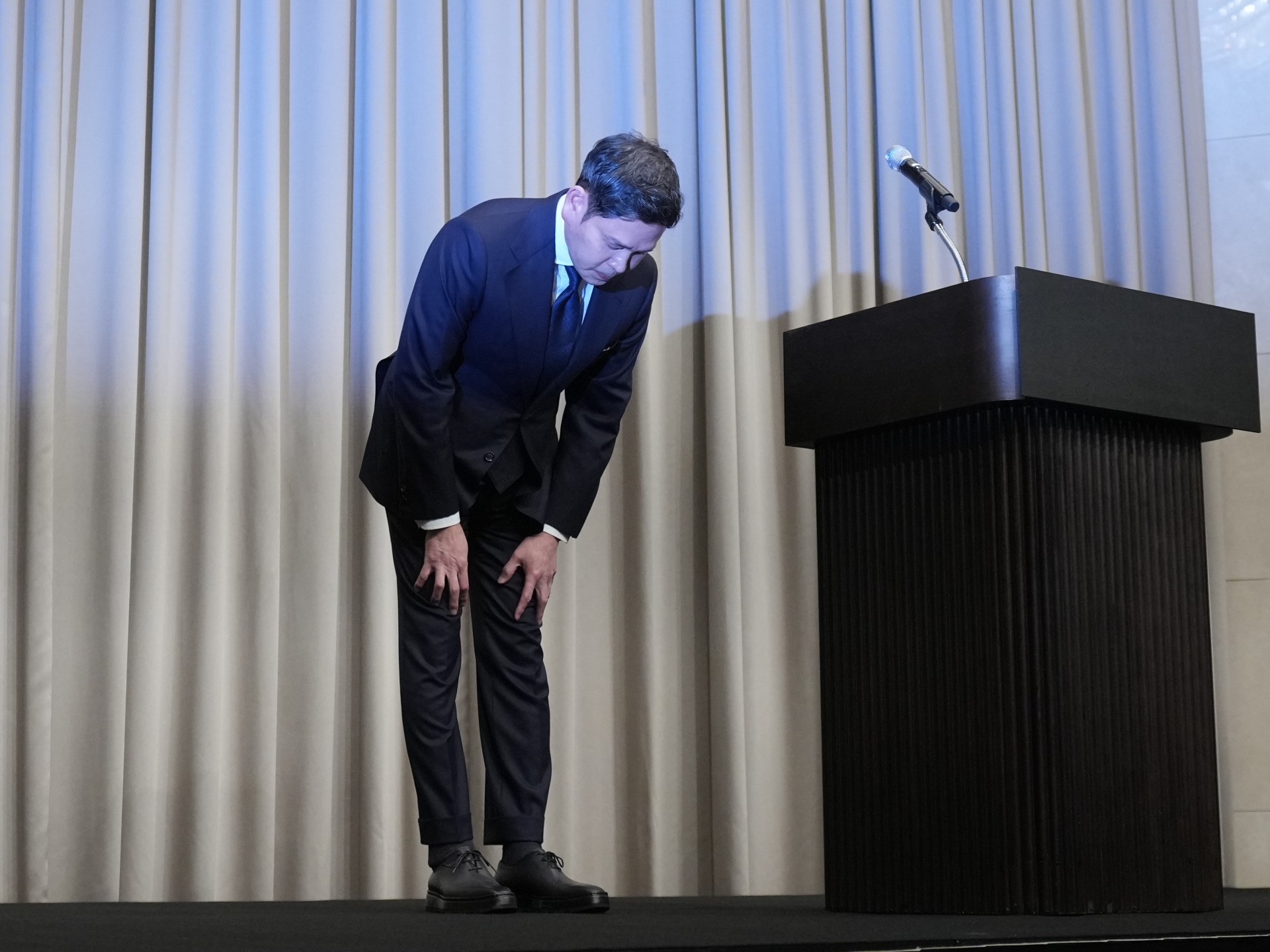
In response to the uproar, Chung Yong-jin, chairman of the Shinsegae Group—Starbucks’ local operator—publicly apologized during a news conference. He acknowledged the pain caused to victims and their families, emphasizing that the management would take full responsibility for the incident. "I take it very seriously, the fact that many people felt deep pain and anger because of Starbucks Korea’s inappropriate marketing campaign," Chung stated, urging customers not to direct their frustrations at front-line employees. His initial apology was made on May 19, recognizing the significant distress the campaign caused.
Following the backlash, Shinsegae made moves to rectify the situation, including the termination of the head of Starbucks Korea and initiating an investigation into the marketing decisions.
Ongoing Investigation and Public Response
A high-ranking executive at Shinsegae, Jeon Sangjin, mentioned during the press briefing that the company had not yet found conclusive evidence that staff members intended to mock the pro-democracy movement. However, some employees reportedly refused to surrender their smartphones for the internal review, suggesting potential issues with transparency.
As the outcry grew, government officials also weighed in. Interior and Safety Minister Yoon Ho-jung condemned the ad, calling for a boycott of Starbucks products at government events, criticizing the company’s actions as "anti-historical behavior." This call was supported by a strong statement from President Lee Jae Myung, who denounced the campaign as a representation of "inhumane and disgraceful behavior."
Conclusion
This controversy has not only impacted Starbucks Korea’s sales but also raised broader concerns about corporate responsibility and sensitivity to historical events. As investigations continue, public officials echo the sentiment for accountability, further complicating the brand's standing in South Korea. With the backlash intensifying, the company faces a difficult path ahead as it navigates both public sentiment and its internal structures.
Popular news
Recent Israeli airstrikes in Lebanon have reignited tensions amid a fragile truce with Hezbollah, resulting in two fatalities.

Subscribe to
our news
Get the most important updates and top stories in your inbox.