




 World25 Sept 2026
Pakistan PM Calls Houthi Attacks on Holy Cities a 'Red Line' at UN
Pakistan's PM Shehbaz Sharif labels Houthi threats to Mecca and Medina as a 'red line' in a UN speech, highlighting concerns over regional stability.
Pakistan's Firm Stance Against Houthi Attacks
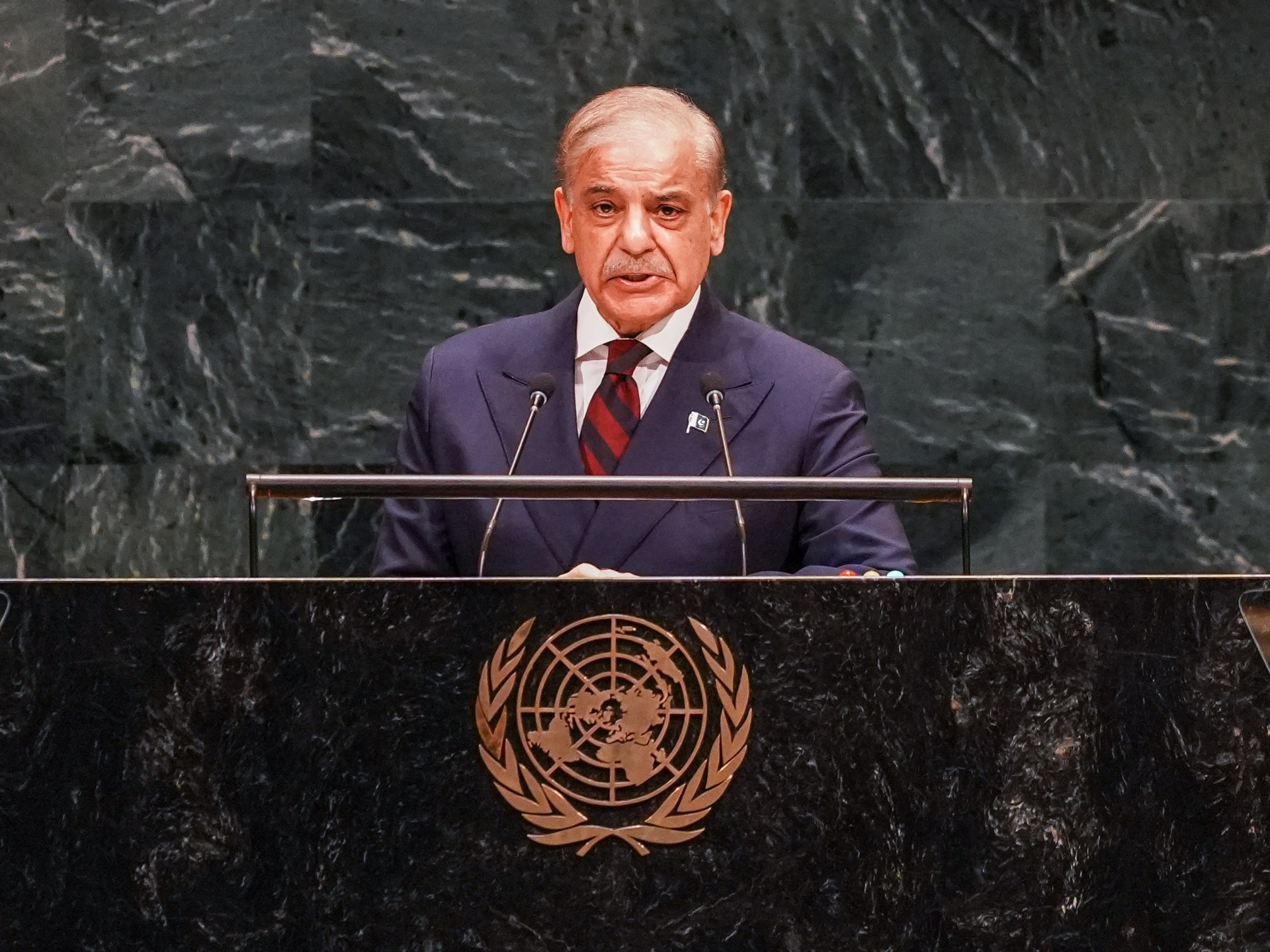
In a significant address to the United Nations General Assembly, Pakistan's Prime Minister Shehbaz Sharif condemned the recent Houthi attacks aimed at Saudi Arabia, emphasizing that any aggression towards the sanctity of the Muslim holy cities, Mecca and Medina, represents a crucial line that must not be crossed.
During his speech delivered on Friday, Sharif described the actions of the Iran-aligned Houthi group as both alarming and intolerable. He stated that their attempts to target Mecca have resulted in widespread outrage among Muslims globally, reinforcing the need for a united response to protect sacred sites.
The Background of Rising Tensions
The ongoing conflict in Yemen and the threats posed by Yemeni Houthi militants have raised significant concerns for nations across the Middle East, particularly within the context of the trilateral Mecca Joint Defence Agreement signed last month by Pakistan, Saudi Arabia, and Turkey. This pact asserts that any attack on one member state will be considered an attack on all, aiming to strengthen military cooperation among the three nations.
Military leaders from these countries met recently in Riyadh to discuss security threats and enhance intelligence sharing, committing to collective defence. However, the exact nature of support from Turkey and Pakistan regarding the conflict remains unclear.
A Broader Call for Peace
Sharif's address also shed light on other critical issues in the region. He touched on long-standing disputes with India, particularly concerning water rights and the Kashmir conflict. He warned that any actions by India to disrupt Pakistan's access to the Indus waters would be perceived as an act of war, and he insisted on a cautious approach to the issue of Kashmir, advocating for a peaceful resolution.
Moreover, he addressed the threat from the Tehrik-e-Taliban (TTP) operating from Afghanistan, citing their intent to destabilize Pakistan as a pressing concern that needs to be dealt with resolutely.
A Call for Diplomacy
In addition, Prime Minister Sharif expressed the need for diplomatic solutions across the region, referencing the recent U.S.-Israeli military actions against Iran and advocating for peace talks. He underscored the importance of maintaining crucial maritime routes, such as the Strait of Hormuz and Bab al-Mandeb, which are vital for global trade.
In a passionate plea, Sharif call for stronger diplomatic efforts, stating, "Amid the roar of missiles, drones and guns, the voice for diplomacy must echo even louder and stronger."
As the geopolitical situation continues to evolve, Pakistan's firm stance on the sanctity of its religious sites and regional stability resonates strongly with its allies, emphasizing the need for peace and cooperation in addressing current threats.
Popular news
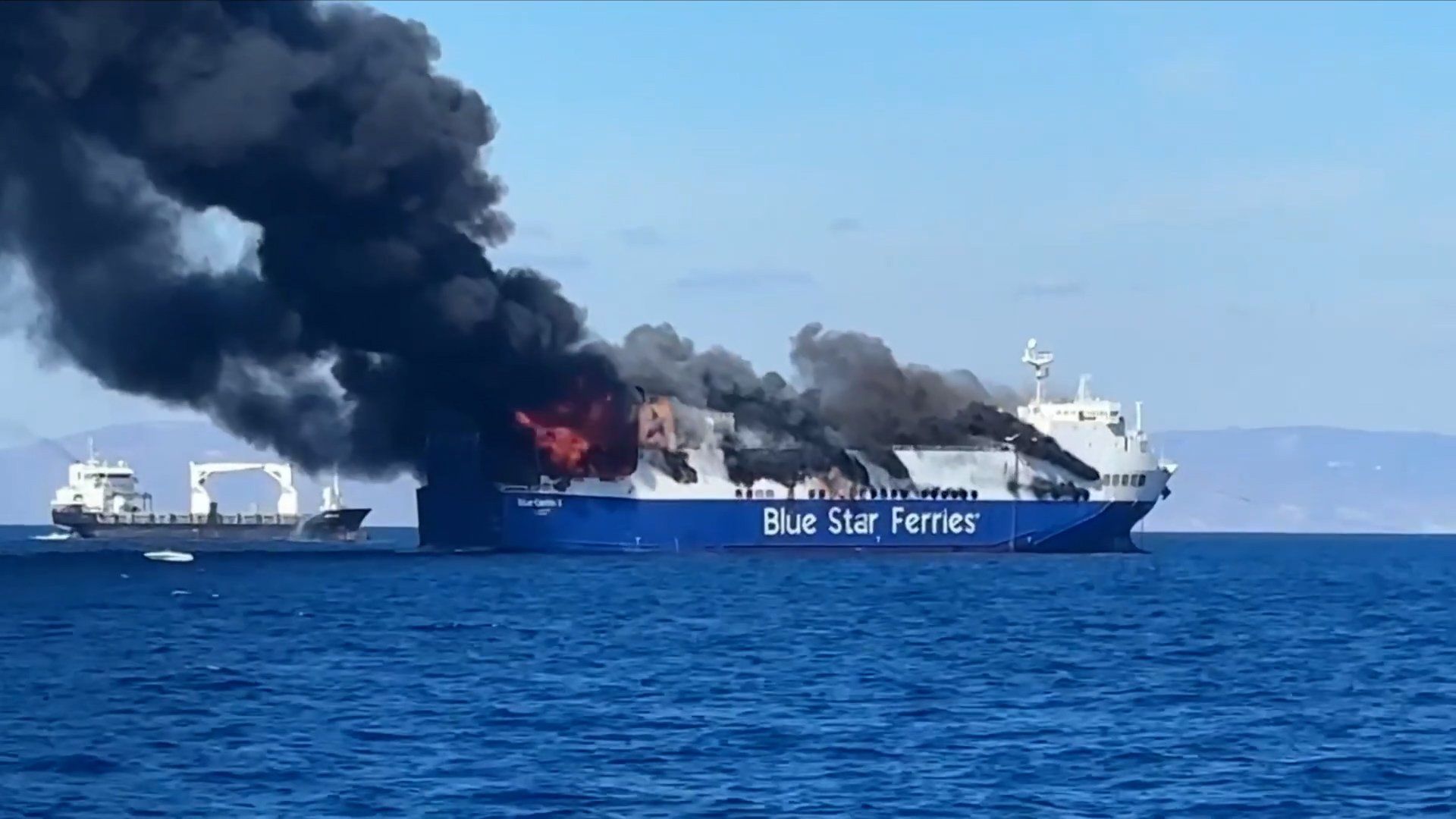
A major fire on the Blue Carrier 2 ferry off Mykonos led to a rapid evacuation of all 29 individuals on board with no reported injuries.


Subscribe to
our news
Get the most important updates and top stories in your inbox.