




 Technology30 May 2026
Nike's Recycled World Cup Uniforms Highlight Challenges in Sustainable Fashion
Nike unveils World Cup uniforms crafted from recycled materials, but experts question the viability of chemical recycling in addressing textile waste.
Introduction
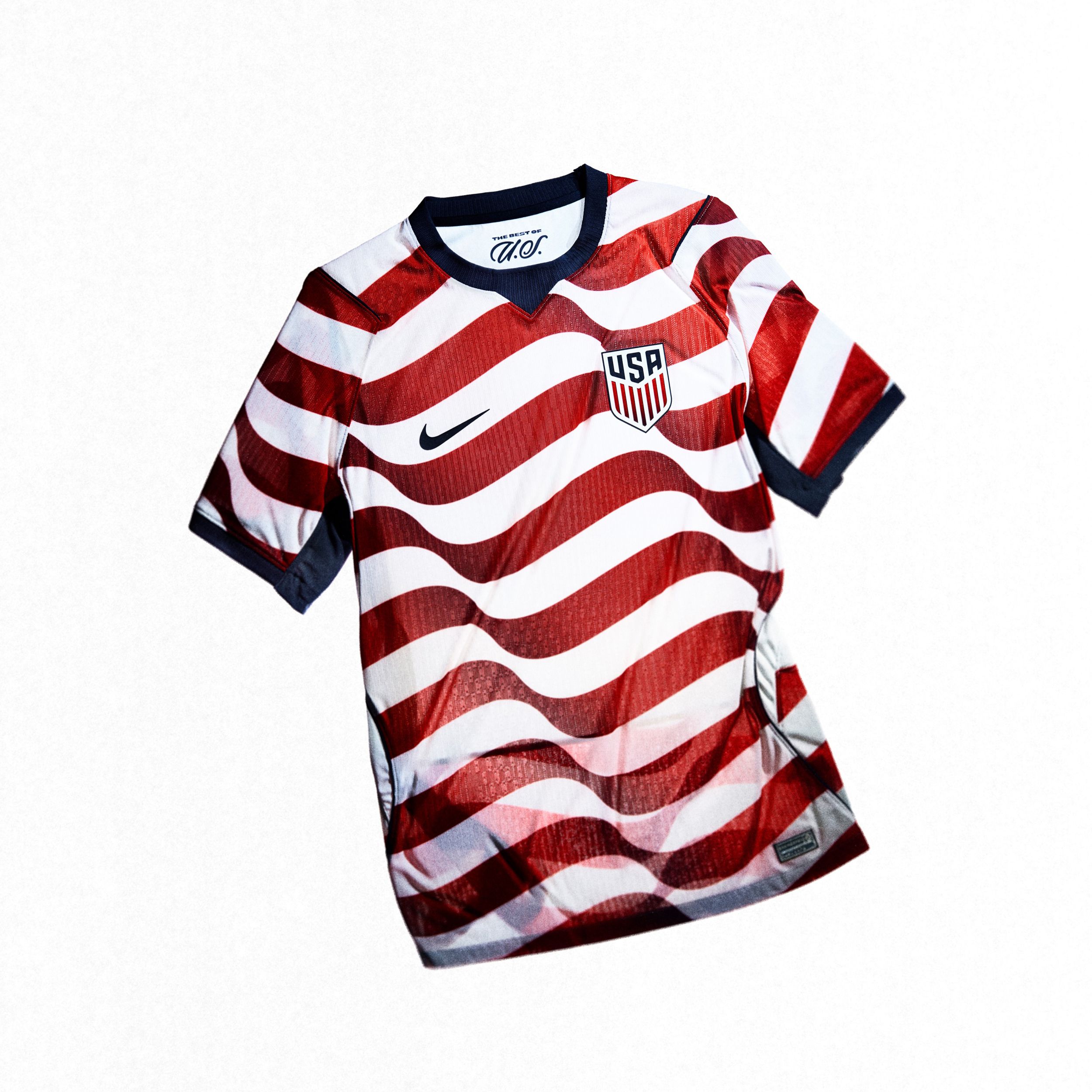
As the June World Cup approaches, athletes from 16 countries are set to don uniforms made from recycled textiles, a pioneering initiative by Nike. This move is part of the brand's broader commitment to sustainable fashion. However, while the uniforms symbolize a step toward reducing fashion waste, experts caution that the underlying technology may not be a real solution for the industry's significant sustainability challenges.
The Recycling Initiative
Nike claims to have developed its first elite performance apparel made entirely from textile waste through advanced chemical recycling processes. The company has partnered with two chemical recycling firms, Syre from Sweden and Loop Industries based in the U.S., to produce these uniforms. According to Nike, this innovation represents a potential turning point for sustainable fashion, suggesting that recycling options could soon be available to everyday consumers.
Expert Opinions on Chemical Recycling
Despite the optimism surrounding Nike's announcement, skepticism remains about the scalability and practicality of chemical recycling. Experts like Veena Singla, an environmental health researcher at UC San Francisco, express doubts, stating that while the technology may work theoretically, its real-world application is still uncertain. The complexities of post-consumer textile waste, which includes diverse materials and contaminants, present significant barriers to implementing effective recycling processes.
Diana Ferreira, a textile researcher at the University of Minho, echoes this sentiment, highlighting that chemical recycling is viable primarily for uniform industrial scraps rather than mixed post-consumer fabrics. The intricate nature of used clothing—often a blend of various fabrics and additives—complicates the recycling process, making it less feasible without advanced sorting techniques.
Sustainability Challenges in Fashion
The fashion industry faces a daunting sustainability dilemma, with over 100 billion garments produced annually. This results in around 10% of the world's greenhouse gas emissions and enormous waste, as most textiles end up in landfills or incinerators. While Nike aims to improve the circularity of fabrics like polyester through recycling, critics argue that the solutions provided so far are insufficient for tackling the rising production levels in the industry.
Limitations of Existing Recycling Methods
Historically, traditional mechanical recycling methods, which involve shredding and grinding materials, lead to significant fiber degradation, requiring high proportions of virgin materials in new products. In contrast, chemical recycling has emerged as a superior alternative, potentially allowing for the creation of virgin-quality polyester from recycled materials.
However, the challenges remain significant. Industry experts are cautious about relying on chemical recycling for mass production, fearing it may merely serve as an alibi for continuing high production levels of fast fashion. Critics like Nusa Urbancic, CEO of Changing Markets Foundation, suggest that sustainable initiatives should focus on reducing overall production rather than simply altering the materials used.
The Road Ahead
While companies like Nike, Syre, and Loop Industries are pushing for advancements in chemical recycling, transparency issues complicate the narrative. None of these firms responded to inquiries about their operations or future plans, leaving consumers and advocates wondering if this is just more hype in a long line of stalled initiatives. Given the ongoing challenges associated with textile recycling and the lucrative nature of fast fashion, experts like Singla stress that the real impact of chemical recycling might be limited to niche applications, such as specialized sports uniforms.
Conclusion
As the World Cup approaches, Nike's use of recycled materials in its uniforms highlights both the promise and the pitfalls of sustainable fashion. Although innovative, these initiatives alone will not solve the large-scale issues tied to fashion waste. The industry's focus must shift towards a more substantial reduction in clothing production and a commitment to truly sustainable practices.
Popular news
Alberta's separatist movement gains momentum. Can it lead to a Canadian Brexit?





Subscribe to
our news
Get the most important updates and top stories in your inbox.