 Business25 Sept 2026
NIH Funding Cuts Delay Promising Trial for Childhood Brain Cancer, Affecting Patients
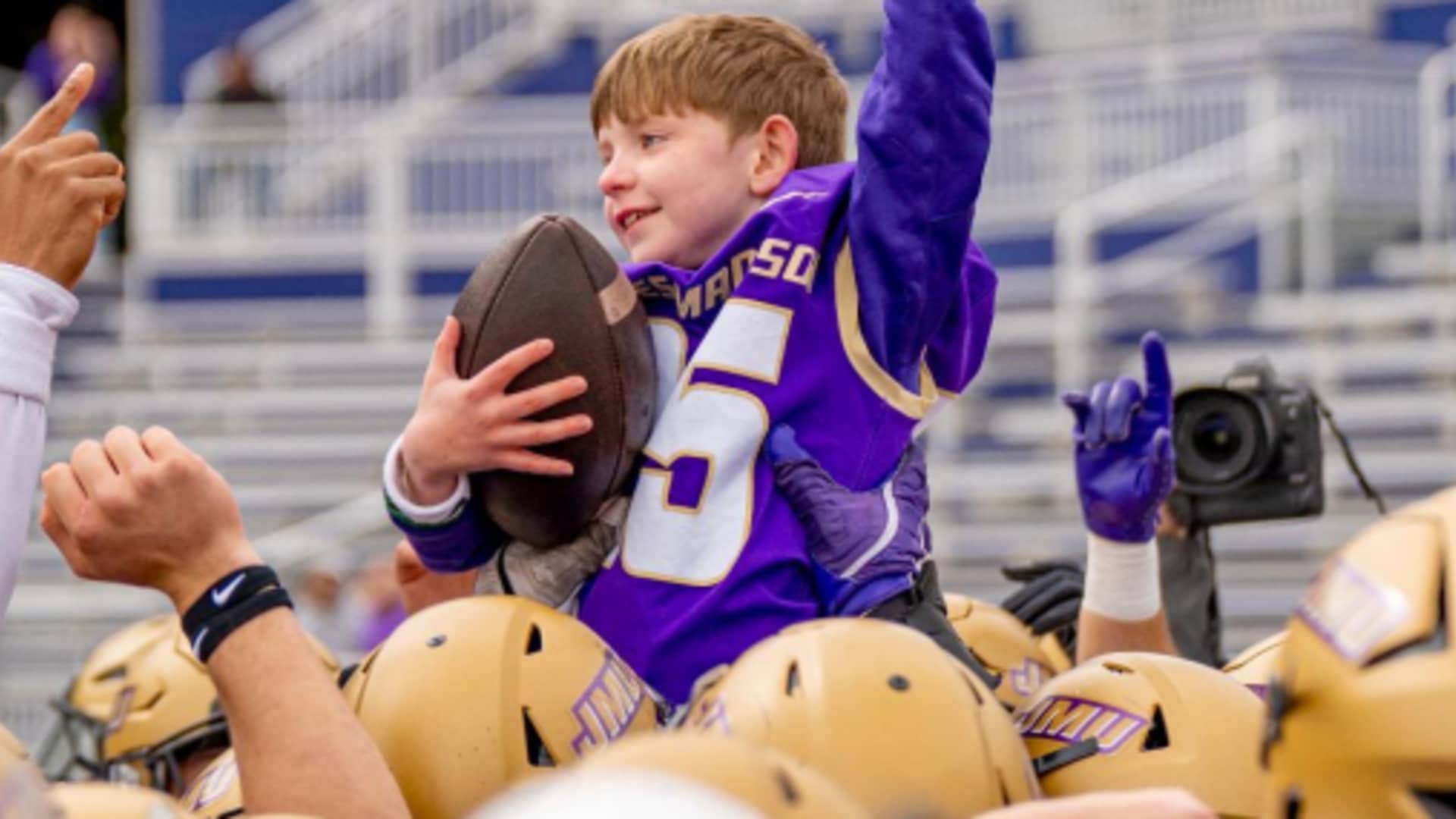
Funding cuts at NIH stymie a vital childhood brain cancer trial, affecting patients like 8-year-old John Paul Macri.
NIH Funding Cuts and Their Impact on Childhood Cancer Trials
National Institutes of Health (NIH) funding cuts have placed a major roadblock in the path of a promising clinical trial for a rare childhood brain cancer known as Diffuse Intrinsic Pontine Glioma (DIPG). This development has dire implications for patients like 8-year-old John Paul Macri, who is battling an inoperable brain tumor. His family's search for innovative treatments is now hindered by significant delays caused by the federal funding freeze.
John Paul Macri's Battle Against DIPG
In early 2025, John Paul Macri exhibited troubling symptoms that led to his heartbreaking diagnosis of DIPG, a malignancy with a grim five-year survival rate of approximately 2%. His mother, Katie Macri, recalls their shock at the prognosis, saying, "What do you mean you can't help my son?" Determined to seek solutions, the Macri family discovered a potential mRNA-based treatment that mirrors the technology used in COVID-19 vaccines, which might retrain the immune system to combat the tumor.
The Role of NIH and Funding Delays
Just as the mRNA treatment was close to entering clinical trials, NIH initiated a comprehensive review of funding, resulting in over $2 billion in frozen grants affecting thousands of projects. As reported by Ira Dunkel, chair of the Pediatric Brain Tumor Consortium, this decision significantly altered the landscape for clinical trials, halting enrollment for new patients and putting critical research on hold.
Eugene Hwang, a brain cancer expert involved in developing the new treatment, described the situation as incredibly frustrating, expressing the difficulties created by dismantling operational infrastructure that had taken years to establish.
Consequences of Funding Cuts on Research and Development
The National Cancer Institute's (NCI) suspension of funding has led to what many in the medical community see as a considerable setback. Hwang remarked on the unfortunate conditions imposed on the clinical trial, noting that the delays could extend beyond a year, leaving patients without the hope of new treatments.
Despite these setbacks, NCI representatives assert that the transition aims to accelerate the development of pediatric cancer treatments, although many experts remain skeptical of these claims. Dunkel pointed out that two crucial trials halted entirely due to funding cessation while others faced significant delays,
The Personal Toll on Patients and Families
The pain of funding cuts is not merely administrative; it has profound emotional implications for families like the Macris. John Paul's health has deteriorated rapidly, underscoring the tragic reality for patients with DIPG. As his condition worsens, he has transitioned to hospice care, with his family now focused on providing comfort rather than curative treatment.
Katie Macri remarks on the bittersweet nature of their situation: "If we can give him something that gives him a good day, that's worth it." This reflects the distressing truth that many patients today live in a race against time fueled by unmet medical needs.
Implications for Future Medical Research
The repercussions of funding cuts extend beyond individual cases to the broader landscape of childhood cancer research. A staggering statistic reveals that only about 4% of federal cancer research funds target cures for childhood cancer, with an even smaller fraction allocated to pediatric brain tumors. This stark funding reality emphasizes the precarious state of research capital, with most financial support stemming from parent-run foundations rather than federal sources.
As advocacy groups and research institutions like the Pediatric Neuro-Oncology Consortium work tirelessly to revive stalled studies, many remain hopeful yet acutely aware of the path ahead.
The funding challenges exemplify a complicated interplay between health policies and patient care, driving home the necessity for continued investment in medical research for childhood initiatives. As families like the Macris navigate their struggles, the focus remains sharply on how decisions made far from their bedside can swing the fate of lives in the most critical ways.
Popular news
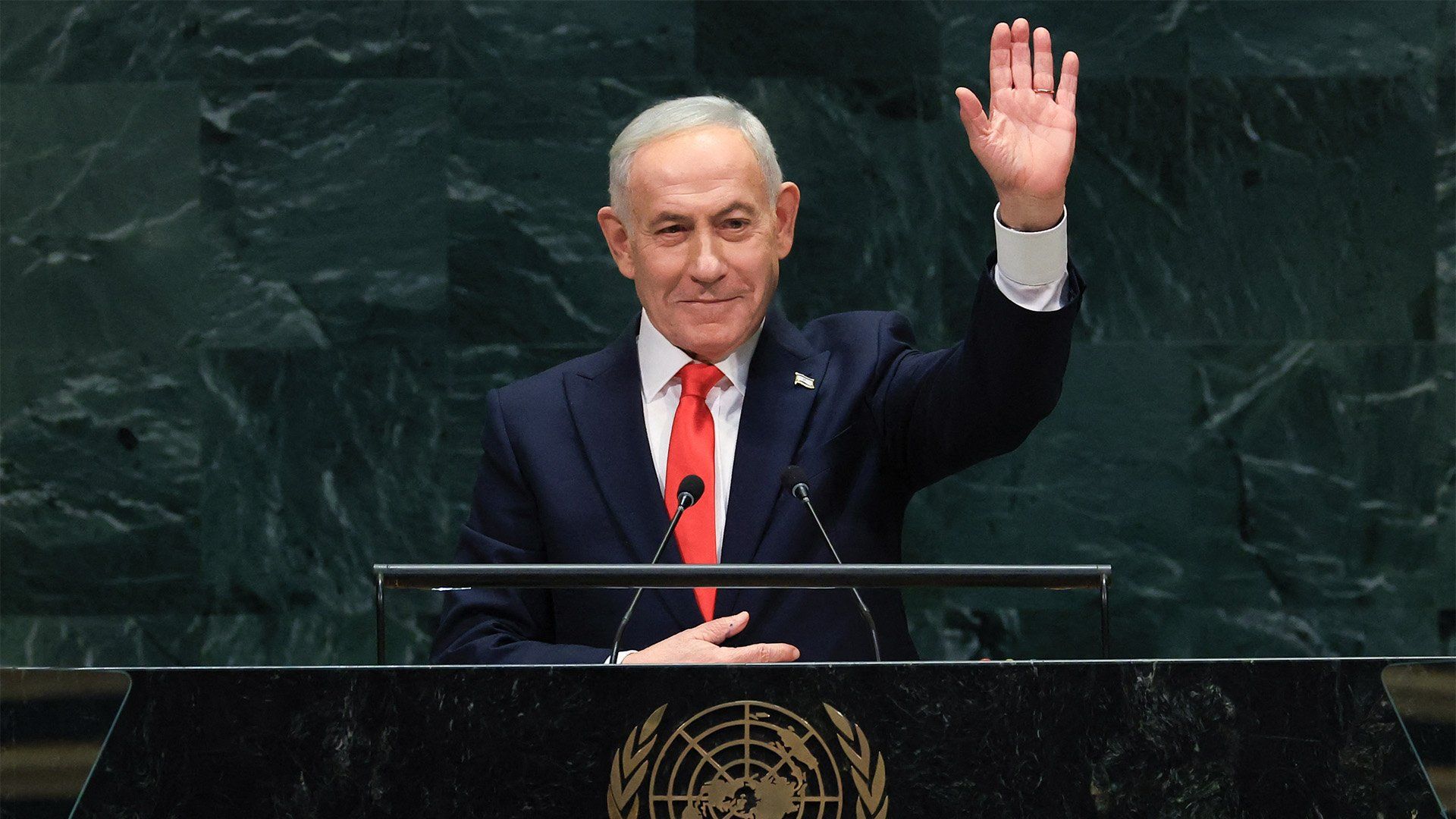
Netanyahu dismisses West Bank violence as actions of 'juvenile delinquents' during a UN speech, focusing on Israel's military success against Hezbollah.


Subscribe to
our news
Get the most important updates and top stories in your inbox.