




 Business27 Sept 2026
Mackenzie Scott's Dystopian Novel: A Mixed Reception for Her Return to Fiction
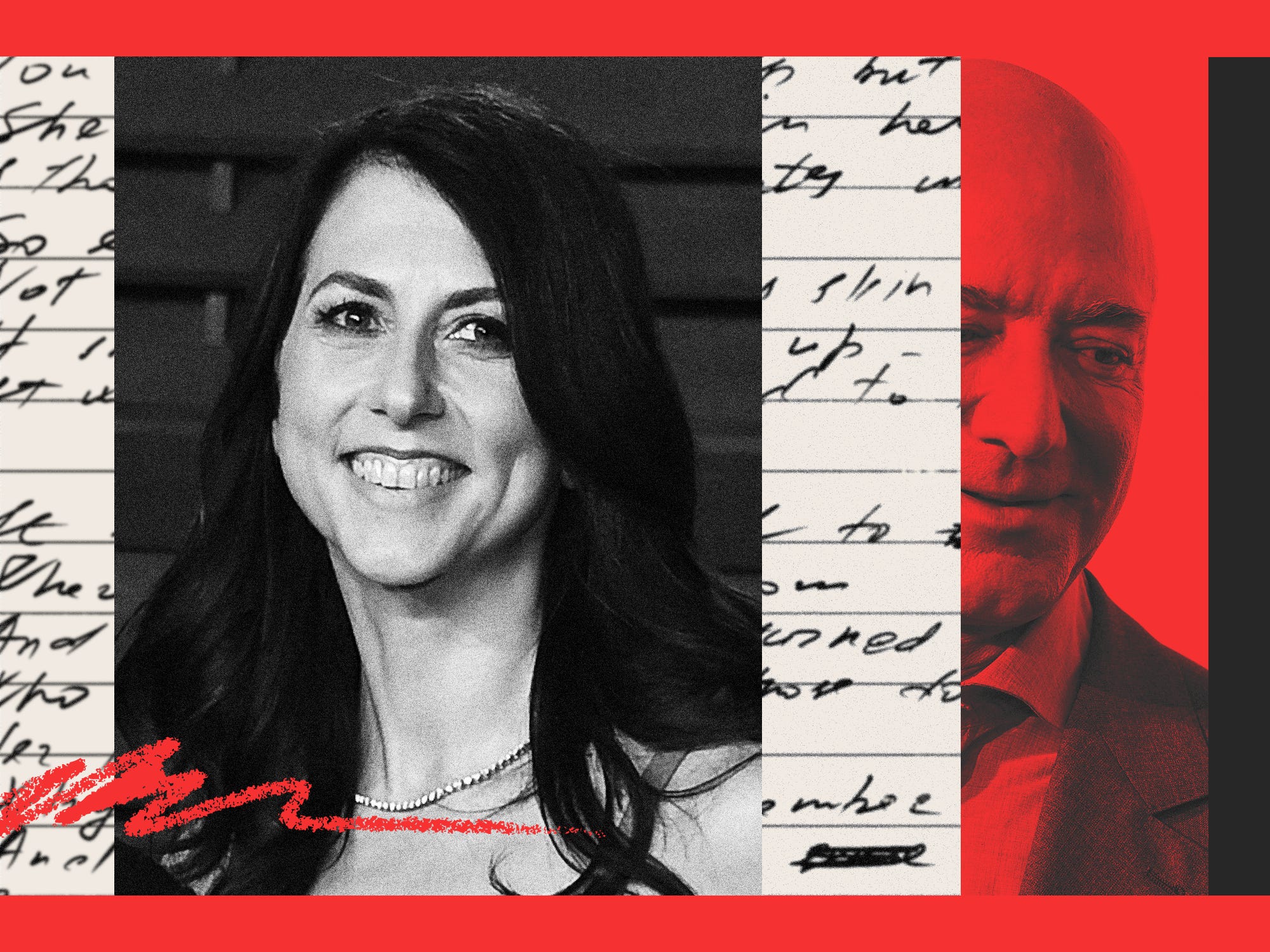
Mackenzie Scott's new novel, "Last Days in Two Nations," raises eyebrows with its complex narrative and authoritarian themes post-divorce from Jeff Bezos.
Introduction
Mackenzie Scott, best known as the ex-wife of Amazon founder Jeff Bezos, has made headlines again not for her philanthropy, but for her return to fiction with her newly released novel, "Last Days in Two Nations (A History in Eighteen Minds)." This self-published work marks a significant departure from her earlier novels, delving into dystopian themes and the dynamics of a divided America.
Overview of the Novel
A Shocking New Direction
Set in a bleak future where America is split into two factions—the authoritarian Dakota Membership and the so-called Still United states—the novel features a diverse ensemble of 18 characters. Each character navigates a complex web of political oppression and personal dilemmas under a tyrannical regime. Scott's previous works showcased her literary prowess; however, many critics are finding her latest offering perplexing and heavy-handed.
The Choice of Substack
Scott's decision to publish "Last Days in Two Nations" in nine free installments on Substack further distinguishes this project from her earlier books, which were published under traditional formats. This medium allows her to maintain independence from Amazon, as noted by online commentators who drew attention to her unusual method of release.
Reception and Criticism
A Mixed Bag of Reviews
Critics have responded with both curiosity and skepticism. Some laud her return to fiction after more than a decade, finding merit in her audacious narrative choices. Yet, many deem the writing convoluted and excessively dark, with Business Insider highlighting the “morass of unsubtle description” that leaves readers questioning the intended message.
Despite her literary ambitions, Scott’s characters often embody a "cartoon villain" archetype, blurring the lines between satire and serious narrative. The portrayal of President Damian Paxton, reminiscent of real-life figures, draws stark comparisons to contemporary political discourse, yet some readers find it failing to deliver a coherent message.
Heavy-Handed Themes
Scott’s writing is laden with direct references to authoritarianism, making parallels to modern leadership styles. For instance, Paxton's love for extravagance and eugenics introduces troubling implications about power dynamics. Critics argue that such overt symbolism detracts from the subtlety a story of this nature might have benefitted from, leaving readers with more questions than insights.
Conclusion
A Baffling Literary Project
Ultimately, "Last Days in Two Nations" offers a bold exploration of power and resistance in a dystopian context, but its execution has sparked a debate regarding Scott's literary direction. With 11,000 readers subscribed to the series, interest in Scott's perspective remains high, but whether it will resonate deeply or endure as a perplexing effort is still up for discussion. Readers find themselves divided, much like the world Scott depicts in her narrative.
Popular news
Micron's massive semiconductor factory in Syracuse aims to rejuvenate the city and could set a precedent for revitalization across the Rust Belt.




Subscribe to
our news
Get the most important updates and top stories in your inbox.