




 Health16 Jun 2026
Join the 2-3-4 Club: A Benchmark for Strength Training Excellence
Discover the 2-3-4 Club, where strength training meets clear benchmarks for serious lifters.
Understanding the 2-3-4 Club
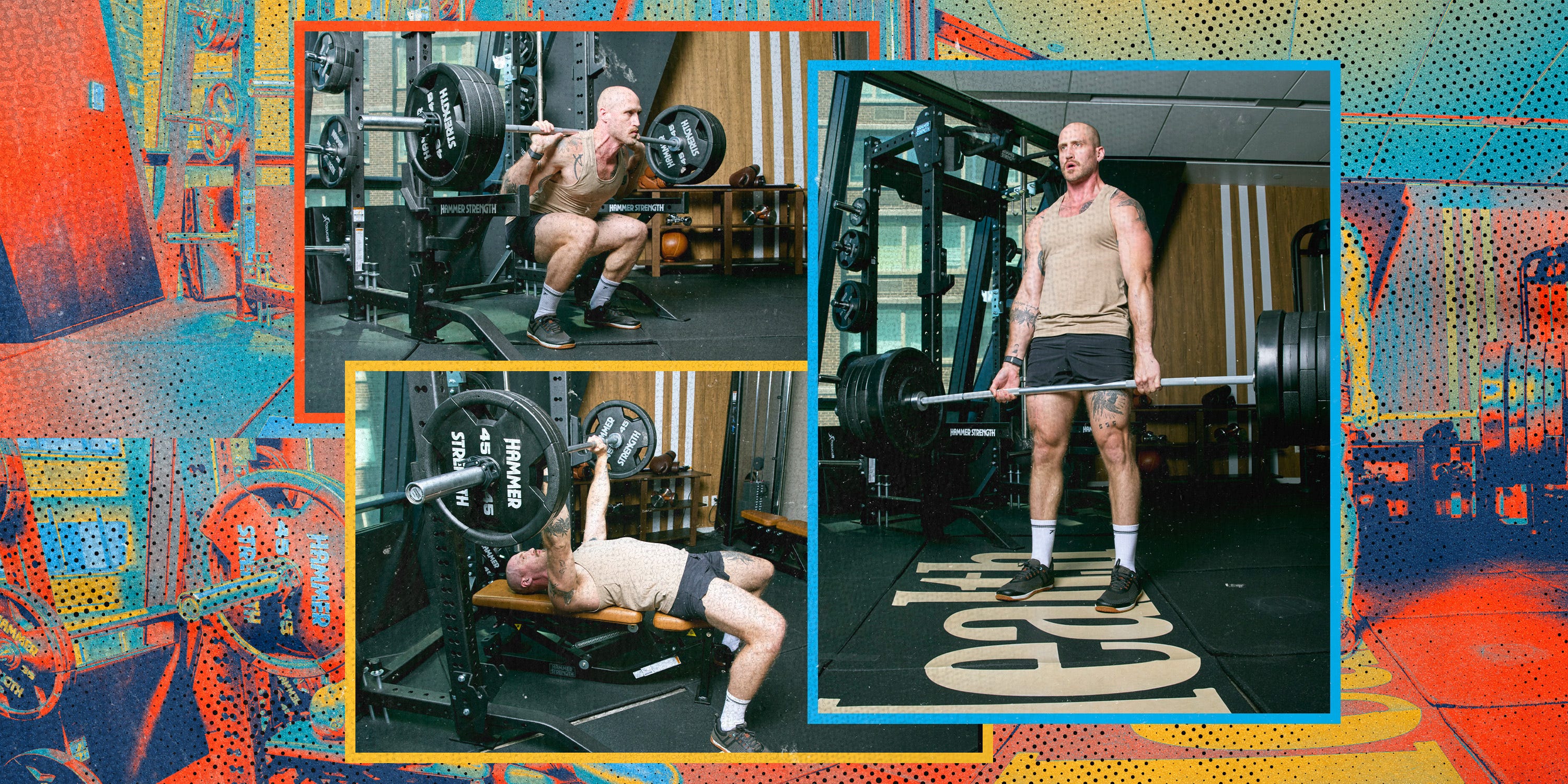
The 2-3-4 Club is a notable benchmark for strength enthusiasts, defining significant lifting goals – specifically, a 225-pound bench press, a 315-pound squat, and a 405-pound deadlift. This standard, proposed by exercise physiologist Dr. Pat Davidson, illustrates a comprehensive measure of strength across essential muscle groups, signaling that achieving these lifts is not just a feat of power but also requires commitment and progressive overload.
The Significance of the Club
In a world where fitness standards can get convoluted, the 2-3-4 Club offers a straightforward metric. “When I'm thinking about a strong guy—it's a very basic place to start—is a ‘2-3-4’ guy,” Dr. Davidson stated. "What I mean by that is two plates on the bench, three plates on the squat, four plates on the deadlift. If you can do that, I'm like, 'Hey, you're strong.'" This simplicity makes it a celebrated yardstick among lifters, focusing on the basics while emphasizing well-rounded strength.
The Big Three: Powerlifting’s Essentials
The lifts involved—bench press, squat, and deadlift—form what is commonly referred to as the “Big 3” in powerlifting.
Bench Press
To join the club, you must first master the bench press, which entails lifting 225 pounds. This lift primarily tests and develops upper body strength, engaging the chest, shoulders, and triceps, along with the lats and core in a supportive role.
Back Squat
Next, the back squat requires a goal of 315 pounds. This exercise is crucial for building leg strength, focusing heavily on the quads and glutes, and is foundational for anyone serious about strength training.
Deadlift
Finally, the deadlift challenge culminates with lifting 405 pounds. As one of the most rigorous tests of strength, this lift involves the entire posterior chain, engaging major muscle groups that contribute to overall body strength.
Absolute vs. Relative Strength
While striving for the 2-3-4 goal, it's vital to distinguish between absolute strength—the maximum weight you can lift without regard to body size—and relative strength, which measures how strong you are in relation to your body weight. The latter can be equally important, especially in functional movements such as pull-ups and other bodyweight exercises.
Pursuing the 2-3-4 Goal
Achieving the 2-3-4 benchmark can be a long journey and requires strategic planning. “When you pursue something like the 2-3-4 club, the most important thing is to recognize that improving all lifts simultaneously can be challenging,” explained Ebenezer Samuel, C.S.C.S., fitness director at Men's Health. Lifters may find they need to focus on one lift at a time to achieve progressive overload, rotating their training focus based on personal strengths and weaknesses.
Flexibility in Equipment
Interestingly, while traditional lifts utilize an Olympic barbell, the specific equipment used is not rigid. Variations such as the use of a trap bar for deadlifts or a safety bar for squats are acceptable as long as the goal of developing strength remains the focus. It’s crucial to keep in mind that your goal is personal growth and improvement over time, regardless of the specific apparatus used.
In conclusion, the 2-3-4 Club serves as an aspirational target for serious lifters destined for strength excellence. Consistent effort and dedication will consistently show progress, making each individual's journey to strength unique and rewarding.
Popular news
Kylian Mbappé scores twice in his World Cup debut, surpassing records held by Pelé and Messi, leading France to a 3-1 victory over Senegal.





Subscribe to
our news
Get the most important updates and top stories in your inbox.