 Technology26 Sept 2026
Earth's Rotational Dynamics Affected by Gravitational Influences
Recent research indicates Earth's day length is influenced by gravitational interactions within its core, altering our planet's spin.
Gravitational Influences on Earth’s Rotation
A recent study published in Nature has shed light on a fascinating aspect of our planet's dynamics: how gravitational interactions deep within the Earth are affecting the length of days. This intricate interplay, driven by the inner core's rotation and interactions with the outer core, reveals a previously mysterious mechanism influencing Earth’s rotational speed.
Variations in Day Length: A Deeper Look
For decades, scientists have noted that the length of a day isn’t constant, with variations sometimes as small as a few milliseconds. While these fluctuations may seem insignificant in the day-to-day context, they hint at larger changes in our planet’s rotation dynamics. Factors like atmospheric and oceanic fluctuations, major seismic events, and the melting of continental ice all contribute to these variations, causing subtle accelerations and decelerations in the Earth’s spin.
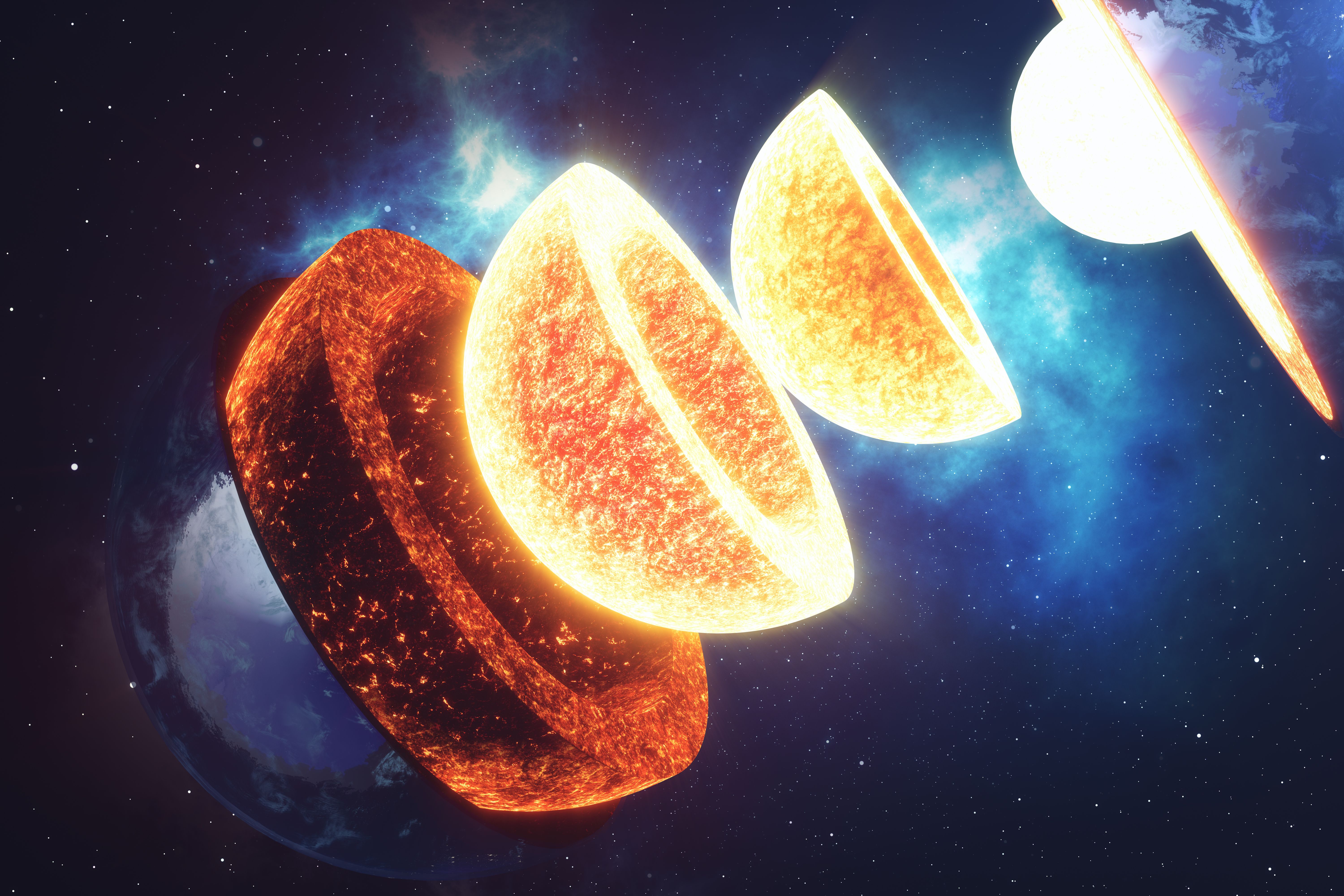
However, research indicates that some of these changes originate from much deeper within the Earth than previously understood. The outer core, a layer of ultra-hot liquid metal approximately 1,400 miles thick, constantly shifts, influencing the rotation of the Earth.
The Role of the Inner Core
According to the study led by geophysicist Mathieu Dumberry from the University of Alberta, a significant finding is the misalignment of the inner core's rotation relative to the rest of the planet. This misalignment occurs due to irregular mass distributions in the mantle.
Dumberry explained, "The core 'wants to be aligned' with these distributions, meaning that gravitational forces pull the inner layers back into a more harmonious position, which impacts the speed at which the planet spins."
Researchers utilized seismic data between 1964 and 2019 to develop a model that accounts for how these gravitational interactions have influenced Earth’s rotation. Their findings closely matched observed changes over the decades, giving credence to the notion that such interactions are crucial in understanding day length variations.
A Tug-of-War in Earth’s Interior
The model proposed by the study suggests that while gravitational forces from the inner core push for alignment, other counterbalancing forces from the mantle oppose this action. This tug-of-war results in small yet measurable changes in the planet's spin. Though the model does not encompass all potential variables, it highlights a major contributor to the reason why our days can vary ever so slightly.
As researchers continue to explore these dynamics, it becomes clear that our understanding of Earth’s rotational mechanics is being redefined. The implications extend beyond just knowing how long a day lasts; they delve into the fundamental processes shaping our planet’s geology and climate.
In summary, while external factors have long been recognized for influencing Earth's rotational variations, this new study underscores the importance of gravitational battles deep within the Earth’s core, significantly contributing to our understanding of day length and planetary dynamics.
Popular news
A major fire on the Blue Carrier 2 ferry off Mykonos led to a rapid evacuation of all 29 individuals on board with no reported injuries.





Subscribe to
our news
Get the most important updates and top stories in your inbox.