




 Technology30 May 2026
Ditch the Feeder This Summer: Embrace Natural Bird Care
This summer, help garden birds thrive by providing water and planting natural food sources instead of using feeders.
Rethinking Bird Care This Summer
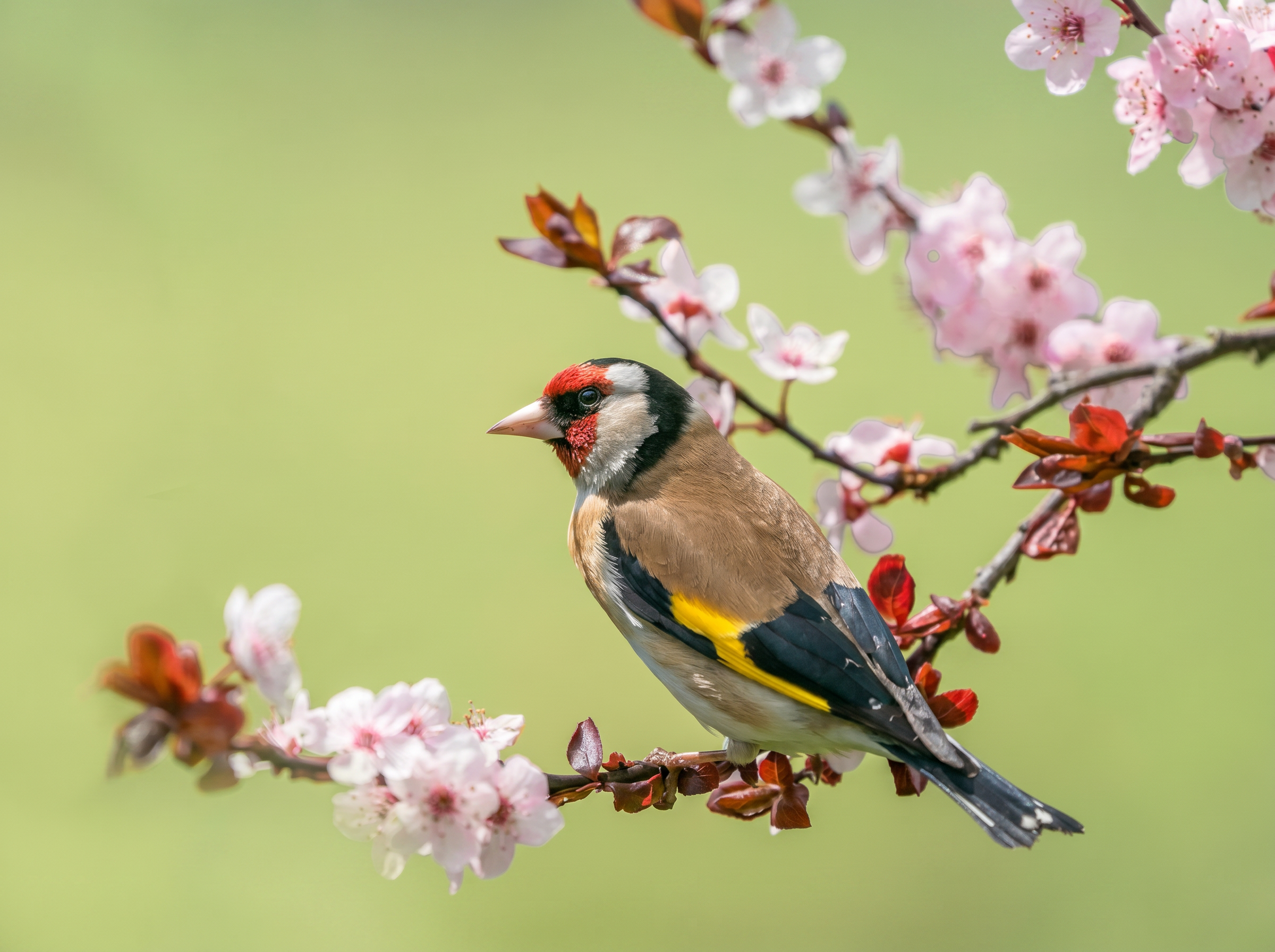
As the summer months approach, experts are urging homeowners to reconsider traditional bird-feeding practices in a bid to protect garden bird populations from diseases such as Trichomonosis and Avian Influenza. These diseases thrive in crowded conditions that can result from bird feeders, prompting organizations like the U.K.'s Royal Society for the Protection of Birds (RSPB) and the Audubon Society in the U.S. to recommend a natural approach.
Why Ditch the Feeder?
According to conservationists and bird experts, the risk of spreading disease increases when birds gather in large numbers. Trichomonosis, for example, has been identified as a significant threat to garden birds, leading experts to advise against feeders from May to October. Instead, homeowners are encouraged to create an environment that supports birds naturally.
Water: The Vital Resource
“Birds don’t actually need extra food during summer,” says Chris Bonnett, a garden expert and founder of Gardening Express. He emphasizes that birds primarily require access to fresh water. Setting out a shallow dish of clean water provides birds with a place to drink and bathe, essential for their hydration and feather maintenance.
Richard Green, a bird feeding specialist, adds that keeping water tables full and clean is crucial, especially for species like songbirds, which can require more frequent hydration on hot summer days. Experts recommend positioning the water in sheltered areas to protect birds from predators, while ensuring the water reservoir is sanitized regularly to prevent disease transmission.
Cultivating a Bird-Friendly Garden
Creating a habitat that naturally supports bird populations can be achieved through thoughtful gardening practices. Jo McGarry, a gardening expert at Caragh Nurseries, suggests incorporating a mix of nectar-rich flowers and seed-producing plants.
Recommended Plants for Birds
- Sunflowers: An easy choice for gardeners, sunflowers attract finches and sparrows when their seed heads mature.
- Cornflowers and Scabious: These flowers not only attract bees but also draw insect-eating birds like robins and wrens by providing necessary insect populations.
- Honeysuckle: Beneficial for its sheltering dense foliage and its ability to draw insects, honeysuckle creates a safe space for smaller birds.
Seasonal Planting Strategies
As the seasons change, certain plants continue to provide food and shelter. McGarry highlights berry-producing shrubs such as hawthorn and cotoneaster, which offer sustenance and nesting material.
Coneflowers are another excellent choice, as their seed heads can sustain birds well into fall and winter. Leaving seed heads and other plant structures intact is a key strategy for creating a rich, natural habitat that allows birds to thrive year-round.
Avoiding Common Garden Mistakes
Many homeowners instinctively trim their gardens to keep them tidy. However, this can inadvertently deprive birds of vital resources. Green warns against cutting back too quickly, suggesting that leaving certain areas wild can provide nesting materials and safe forage zones.
Conclusion
For those looking to assist garden birds this summer, the solution lies not in feeders but in fostering a natural habitat filled with clean water and diverse plant life. By embracing these practices, homeowners can help maintain healthy bird populations while enhancing the beauty and ecological balance of their gardens.
Popular news
Alberta's separatist movement gains momentum. Can it lead to a Canadian Brexit?





Subscribe to
our news
Get the most important updates and top stories in your inbox.