




 World25 Sept 2026
Contrasting Treatment of Israel and Palestine at the UN
Israel's PM spoke at the UN General Assembly despite an ICC warrant, while Abbas addressed virtually, highlighting diplomatic disparities.
Stark Disparities at the UN General Assembly
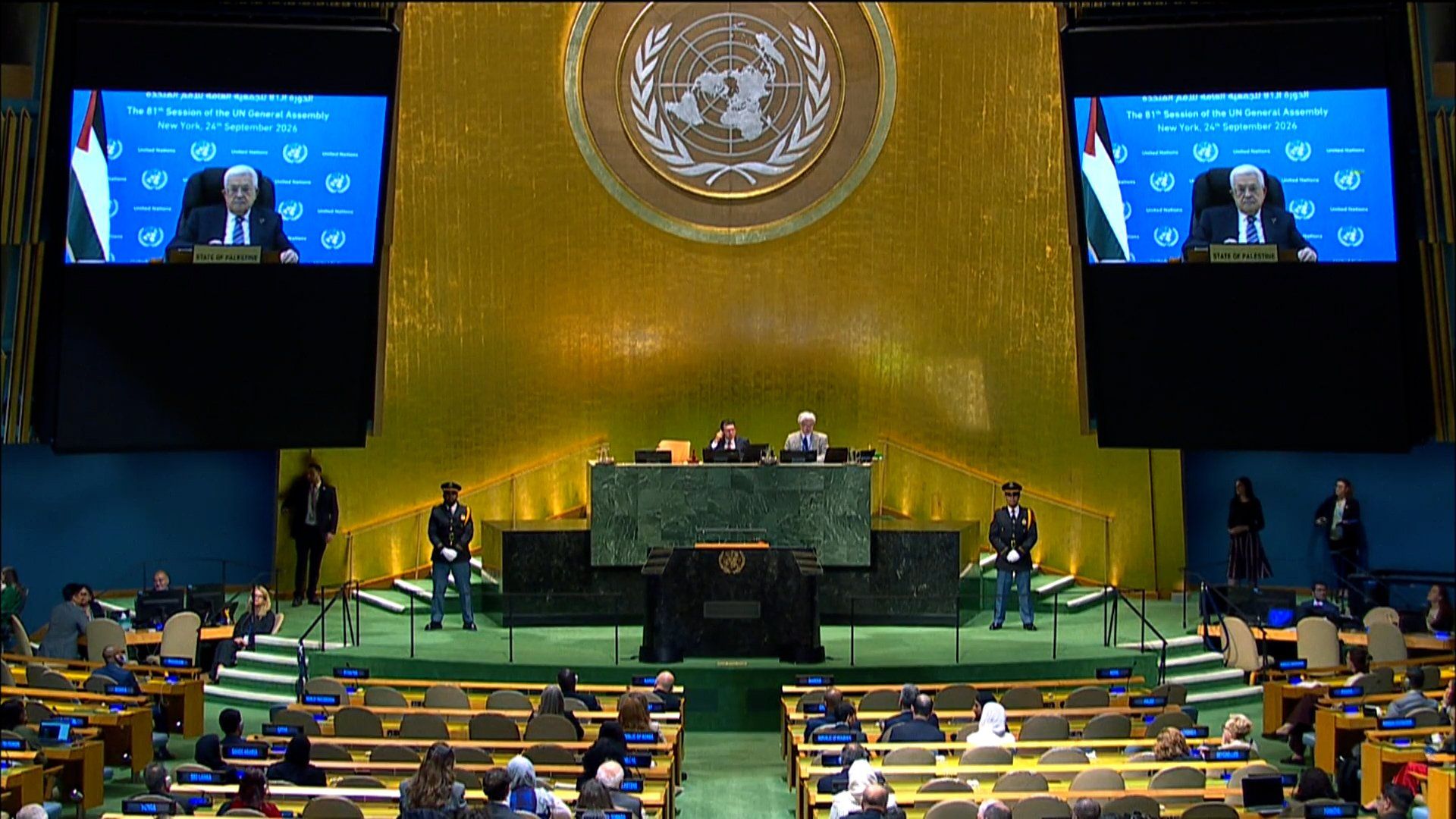
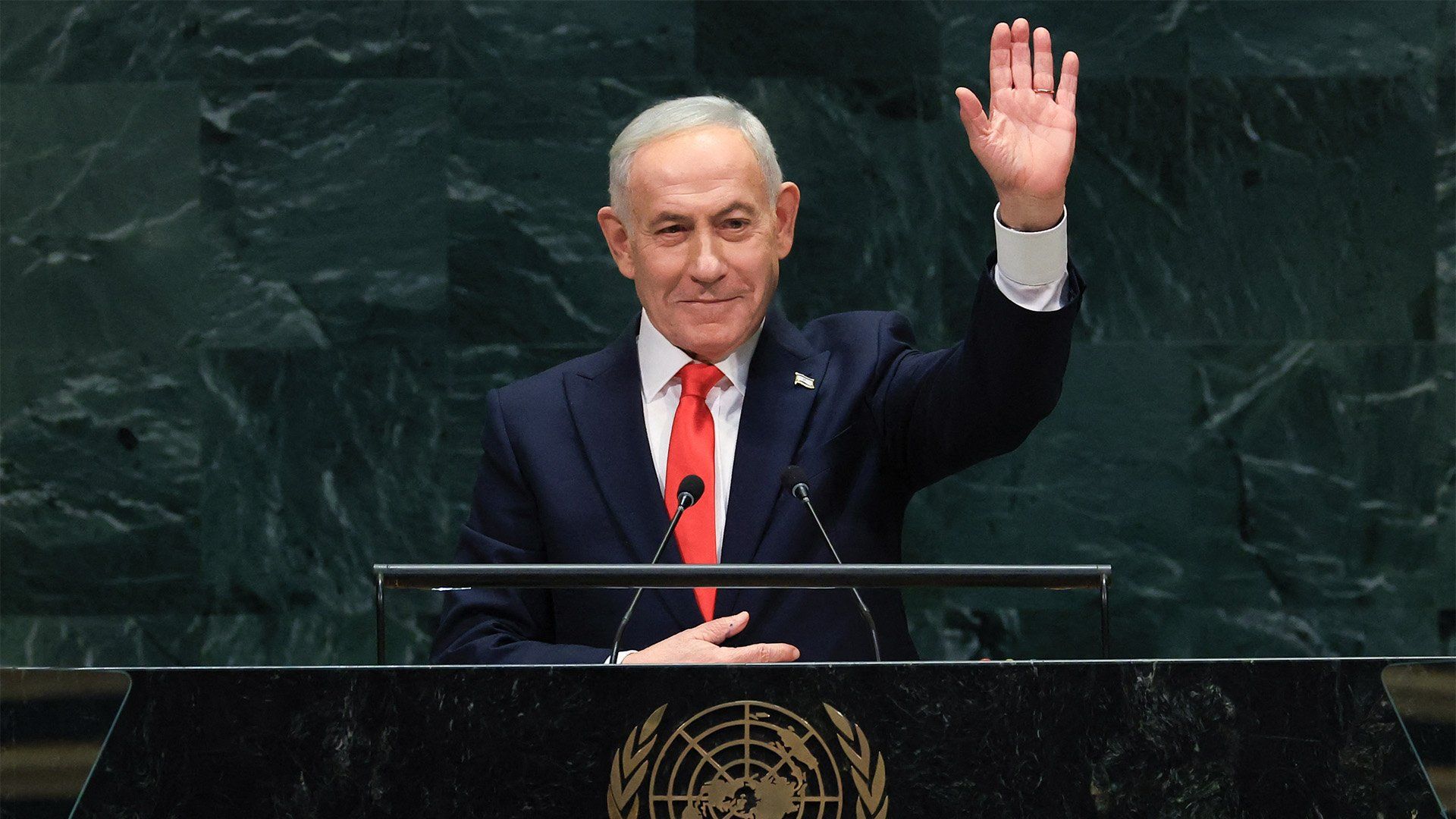
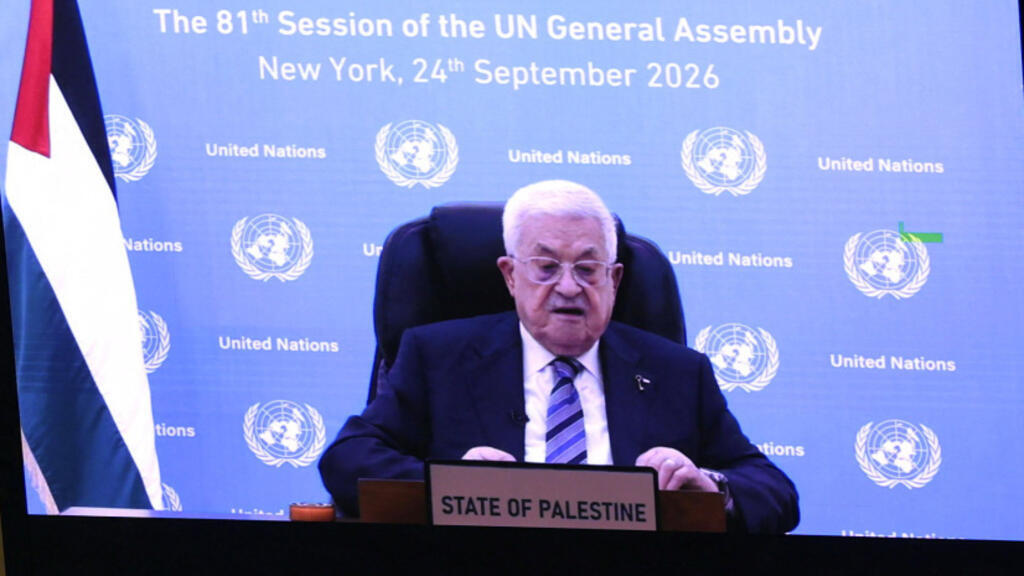
At the recently convened UN General Assembly, a notable disparity was on display regarding the treatment of Israel and Palestine. Israeli Prime Minister was able to address the Assembly in person, despite facing an arrest warrant from the International Criminal Court (ICC). In contrast, Palestinian President Mahmoud Abbas was compelled to deliver his remarks virtually, showcasing stark diplomatic inequalities between the two nations.
Israeli Prime Minister's Controversial Attendance
Israeli Prime Minister delivered his address amid mounting tensions related to ongoing conflicts in the region and his legal issues regarding the ICC. The warrant against him highlights serious allegations that contribute to the ongoing debate around Israel's actions in Gaza and its broader impact on regional stability. Despite this backdrop, his presence at the UN sends a message of confidence in Israel's standing at the international level.
Palestinian President Abbas's Virtual Address
In a contrasting scenario, Palestinian President Abbas articulated the struggles faced by Palestine through a video link, reflecting the entrenched challenges and isolation the Palestinian leadership experiences. As Abbas addressed the Assembly, he underscored the need for international support and highlighted the urgency of the Palestinian plight amidst ongoing conflicts. His virtual appearance serves as a reminder of the disparities that persist in diplomatic recognition and treatment on the global stage.
Diplomatic Implications
The contrasting attendance at such a significant event amplifies discussions about international law and the perceptions of legitimacy and accountability among nations. Critics argue that the situation not only delineates a clear divide in treatment by the international community but also raises questions about the criteria for diplomatic engagement. The events at the UN serve to spotlight these complex dynamics and the ongoing struggle for recognition and justice in the context of the Israel-Palestine discourse.
As the world grapples with complex geopolitical issues, the contrasting participation of these two leaders at the UN remains a focal point for understanding the broader implications for peace and conflict resolution in the Middle East.
Popular news
Netanyahu dismisses West Bank violence as actions of 'juvenile delinquents' during a UN speech, focusing on Israel's military success against Hezbollah.



Subscribe to
our news
Get the most important updates and top stories in your inbox.