 Business16 Jul 2026
U.S. Grocery Sales Decline as Consumers Buy Fewer Items Amid Inflation
Declining grocery sales highlight changing consumer habits as inflation pressures shoppers. Major companies face demand challenges.
U.S. Grocery Sales Decline
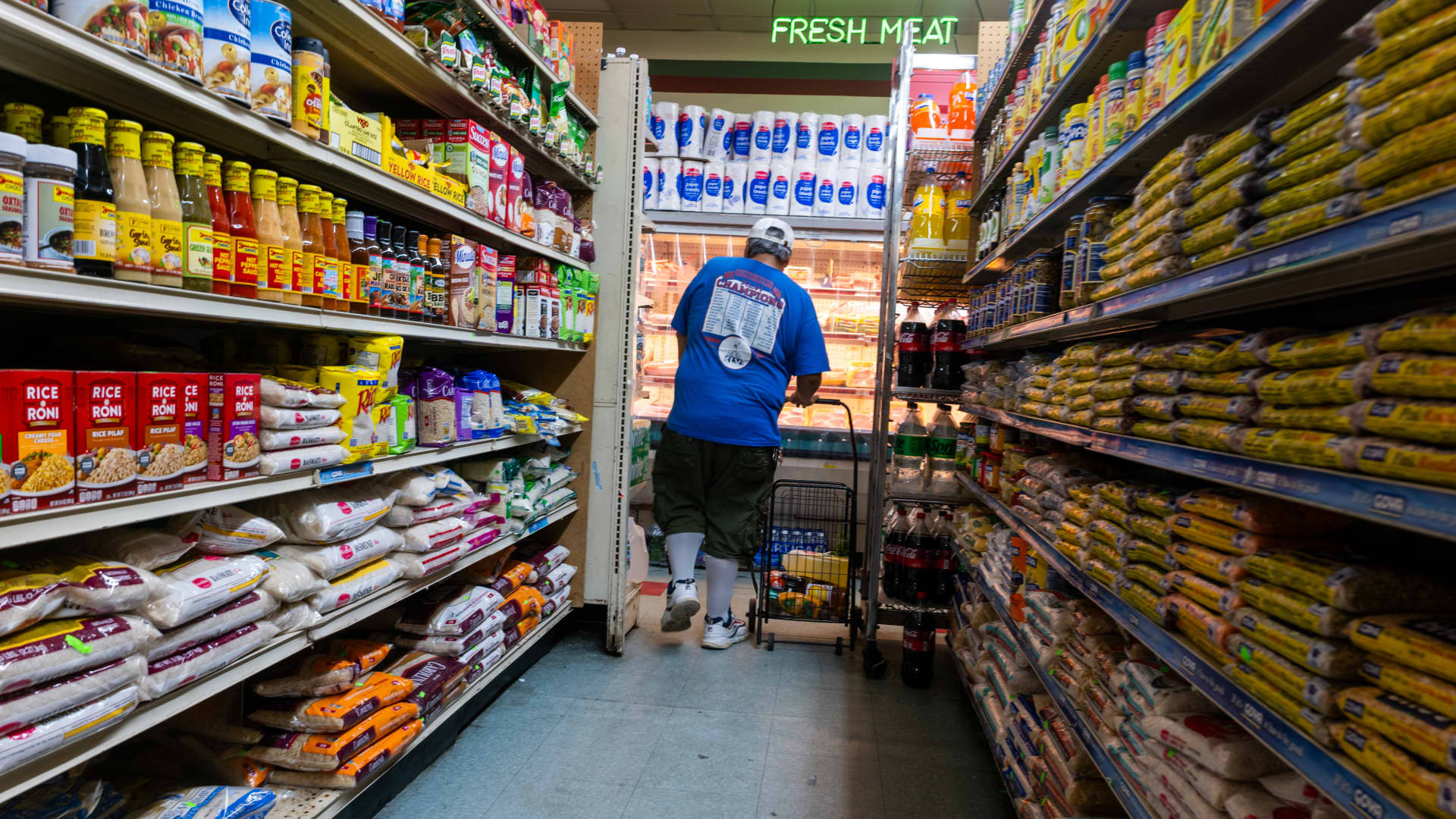
The U.S. grocery sector is currently grappling with a serious slowdown, marked by a considerable decline in consumer spending habits. According to analysis conducted by Bain & Company utilizing data from NielsenIQ, grocery sales have seen a significant drop, with unit sales falling by 1.8% in June 2025 compared to the previous year.
Inflation and Changing Consumer Behavior
Despite an inflation rate hovering between 2% to 3% year-over-year, this increase only partially compensates for the decrease in overall sales. Many shoppers are feeling the effects of rising prices, with 80% reporting efforts to reduce their spending. Consumers are experiencing what has been described as “sticker shock,” particularly as the price for a typical grocery trip has skyrocketed—items that once cost $300 in 2019 now tally up to $400.
Kurt Grichel, the head of Bain's Americas retail practice, highlights that even wealthier consumers are becoming acutely aware of these price changes, prompting them to explore cheaper options and alternatives.
The Strain on Food Companies
As consumer demand wanes, major food companies, including PepsiCo, are feeling the pressure. In their second-quarter earnings report, PepsiCo noted a 2% decrease in revenue from North America, accompanied by stagnation in sales volumes. CEO Ramon Laguarta attributed these struggles to persistent high gas prices, indicating that the economic environment has worsened beyond initial forecasts.
To counteract declining demand, many companies are increasing promotional efforts in a bid to attract more price-sensitive shoppers. The shift toward discounting and promotions underscores a broader trend within the grocery industry; retailers like Walmart and Kroger are implementing strategies to emphasize value and drive unit growth rather than merely increasing dollar sales.
Strategies for Recovery
As Bain’s findings indicate, a consumer-centric strategy will be crucial for grocers aiming to regain foothold in the market. Solutions such as price cuts, loyalty programs, and personalized promotions are becoming essential to rebuilding consumer trust and spending patterns.
Analyst Joe Feldman from Telsey Advisory Group emphasizes that the entire food industry must return to a focus on unit growth over dollar growth, pushing suppliers to adjust their pricing structures accordingly.
In an environment where grocery prices are approximately 33% higher than they were in 2019, the competition among retailers to offer the best value to customers is intensifying.
The adjustment strategies being adopted include summer price cuts on essentials ranging from beef to ice cream—items frequently purchased by consumers. The industry is becoming increasingly responsive to customer behavior, ensuring they provide attractive offerings in order to capture and maintain market share.
Conclusion
With consumer spending on groceries in contraction due to inflationary pressures and changing shopping habits, food companies face significant challenges ahead. The shift toward value-oriented promotions and price sensitivity could redefine grocery shopping in the United States as retail competition escalates.
Popular news
Argentina staged a thrilling comeback against England with two late goals, securing a spot in the World Cup 2026 final against Spain.




Subscribe to
our news
Get the most important updates and top stories in your inbox.