




 Technology03 Oct 2026
Unlocking the Secrets of Deep Reefs: A Decade-Long Investigation
Researchers study deep reefs over a decade, uncovering new species and interactions that reveal the impact of climate change on these ecosystems.
Exploring the Depths of Marine Life
In an unprecedented decade-long study led by zoologist Luiz Rocha, researchers have ventured into the enigmatic world of mesophotic coral ecosystems—referred to as deep reefs—situated between 30 and 150 meters beneath the ocean's surface. These ecosystems, located off the coast of Palau, Guam, and French Polynesia, remain largely unexplored and are critical to our understanding of marine biodiversity and the impacts of climate change.
The Mysterious Mesophotic Ecosystem
On a sunlit day in May, Rocha and a team of divers immersed themselves in the vibrant waters of Palau, preparing to retrieve valuable data from underwater structures they had deployed years earlier. The deep reefs, known for their unique biodiversity, offer a contrasting environment to their shallow counterparts, which thrive in sunlight. As light diminishes with depth, the species residing in these ecosystems have adapted to harsher conditions, making them of great interest to scientists.
Rocha explained, "Anything between 30 meters and 150 meters is really, really unknown," emphasizing the need for research in these underwater zones that could serve as refuges for species affected by climate change.
Innovative Research Methods
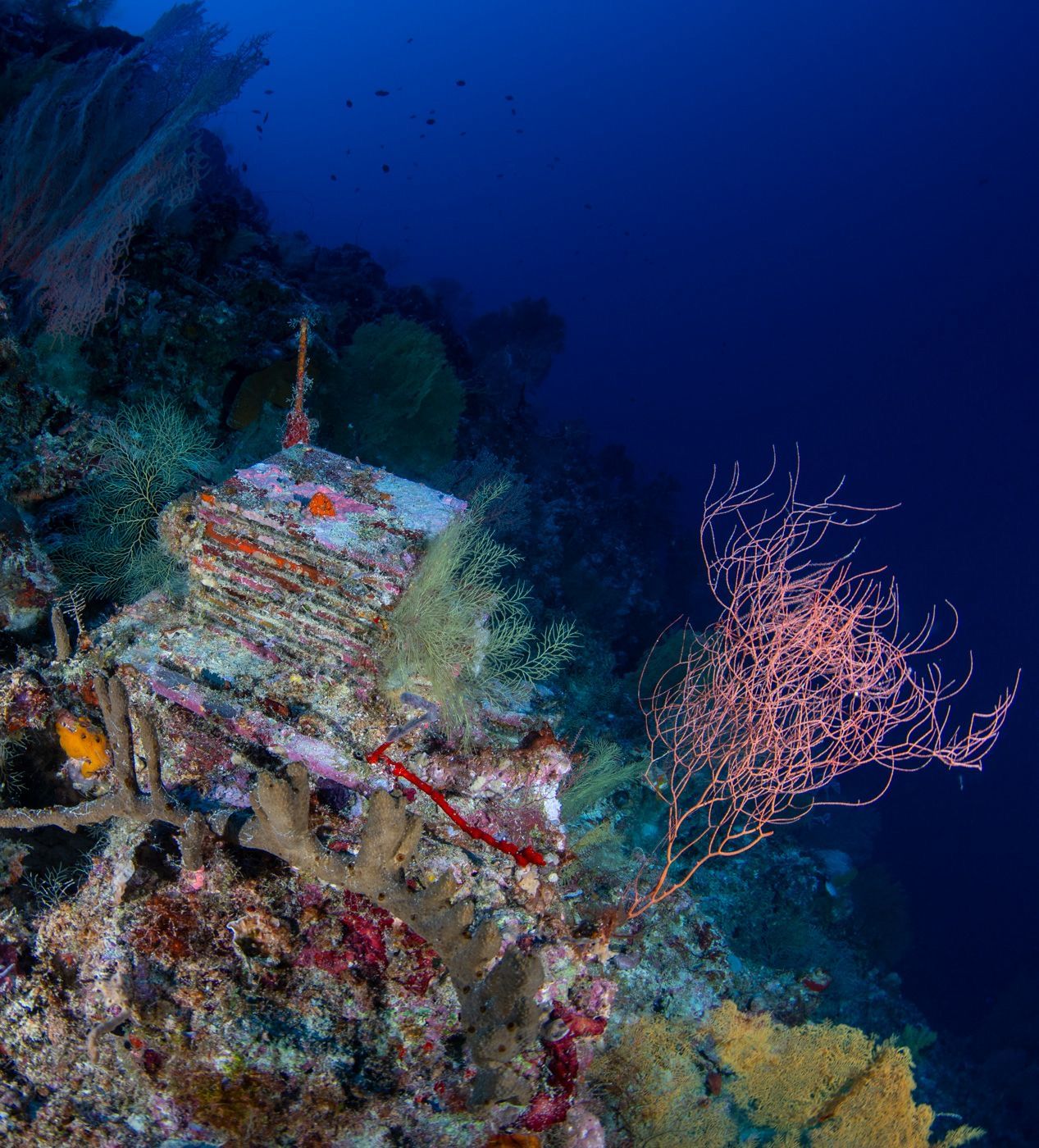
To study the complex relationships within these deep reefs, Rocha implemented a method using Autonomous Reef Monitoring Structures (ARMS). These structures, resembling small stacks of PVC plates, were strategically placed in different depths to catalyze marine life colonization. After nearly a decade, the ARMS were retrieved, revealing a trove of biodiversity, and providing insights into the ecological dynamics of the deep reefs.
According to Rocha, "As soon as you drop any kind of clean structure on a reef, it starts getting colonized by larvae of everything around it," showcasing how quickly marine life can flourish in these habitats.
Unearthing New Species and Ecological Insights
The retrieval process was both exhilarating and laborious, as scientists examined the diverse organisms that had taken residence on the ARMS plates. Major findings included the discovery of new species, particularly among colorful marine creatures such as nudibranchs and various corals. Each specimen represents a piece of the ecological puzzle, allowing researchers to investigate vital questions regarding energy sources, food chains, and the evolutionary adaptations of these organisms.
Research biologist Sarah Tweedt highlighted the significance of understanding species relationships, stating, "Studying them is what will let researchers tackle some of the outstanding questions about these ecosystems."
The Path Forward
Despite the challenges of studying deep reefs, Rocha remains optimistic about the future. The research conducted over the past decade lays crucial groundwork for future studies. As he insightfully remarked, while the complete understanding of deep reefs may elude us, significant knowledge will be passed on to the next generation of scientists.
“We will not assemble the puzzle, but we’ll generate some good pieces for the next generation to assemble,” Rocha stated. This ongoing investigation not only enriches our understanding of the ocean’s depths but also informs conservation efforts crucial for the protection of these delicate ecosystems in the face of climate change.
Popular news
65% of Latin Americans view China's influence positively, surpassing the US at 57%. US perceptions decline amid military actions in the region.





Subscribe to
our news
Get the most important updates and top stories in your inbox.