




 Health01 Oct 2026
Understanding Heart Valve Replacement: Key Questions Answered
Learn key insights about heart valve replacement surgery, including types of valves and what patients should consider before the procedure.
Overview of Heart Valve Replacement
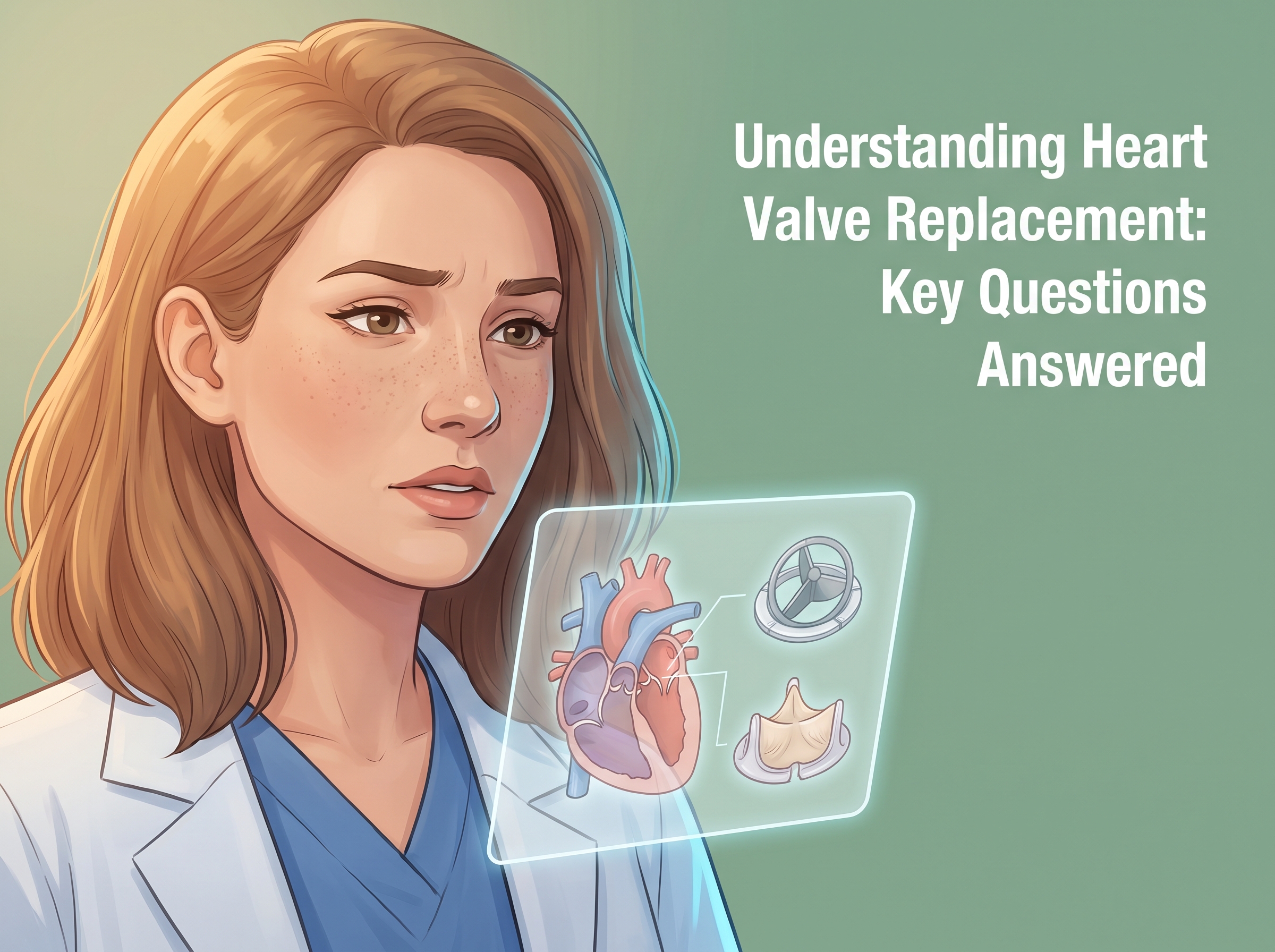
Heart valve replacement is a critical surgical procedure that helps restore normal heart function and improve overall health for those with damaged valves. These valves can either be mechanical, created from materials such as metal or carbon, or tissue-based, derived from animal heart tissue (often from cows or pigs). The choice of valve type is influenced by several factors, including the patient's age, specific health conditions, and lifestyle.
Types of Heart Valves
Mechanical Valves
Mechanical valves are designed to last a lifetime, making them a preferred option for younger patients who are not likely to need a second surgery. However, those with mechanical valves require lifelong blood thinner medication to prevent blood clots, which can increase the risk of bleeding.
Tissue Valves
Tissue valves typically last 10 to 20 years, making them suitable for older patients or those who may not want to take blood thinners for extended periods. The biological nature of these valves means that they are less likely to cause blood clots, but their lifespan may necessitate a future procedure or replacement.
Surgical Procedures: Open-heart vs. Minimally Invasive
Open-heart Surgery
Open-heart surgery is a well-established method for valve replacement, requiring large incisions and the use of a heart-lung machine to temporarily take over the heart's functions during the procedure. This approach allows comprehensive access to the heart but entails a longer recovery period.
Minimally Invasive Procedures
In contrast, minimally invasive techniques involve smaller incisions, potentially offering quicker recovery, reduced pain, and shorter hospital stays. These procedures are not suitable for all patients but are a promising option for many, especially those who are candidates for valve repair instead of replacement.
Key Considerations for Patients
Patients contemplating heart valve surgery should discuss various elements with their healthcare providers, including:
- Age and lifestyle: Younger patients may lean towards mechanical valves for their durability, while older patients may prefer tissue valves for ease of management.
- Health status: Existing medical conditions can influence the choice of surgery and valve type.
- Potential risks and complications: As with all surgeries, understanding the risks associated with heart valve replacement is essential. Patients should inquire about recovery times and the possibility of needing additional treatments down the line.
In conclusion, heart valve replacement is a vital intervention that can significantly enhance quality of life. Each patient's preferences, health status, and the specific characteristics of their heart condition should guide the selection of the surgical procedure and valve type.
Consultation with a qualified healthcare professional is crucial to navigate these decisions and ensure that patients receive the most appropriate care for their unique circumstances.
This comprehensive overview addresses some common queries regarding heart valve replacement and encourages open communication with healthcare providers for anyone considering this essential surgery.
Popular news
Timnit Gebru, Ethiopian AI innovator, has won the prestigious Swedish Right Livelihood Award for her work on bias in artificial intelligence.





Subscribe to
our news
Get the most important updates and top stories in your inbox.