




 Technology30 Sept 2026
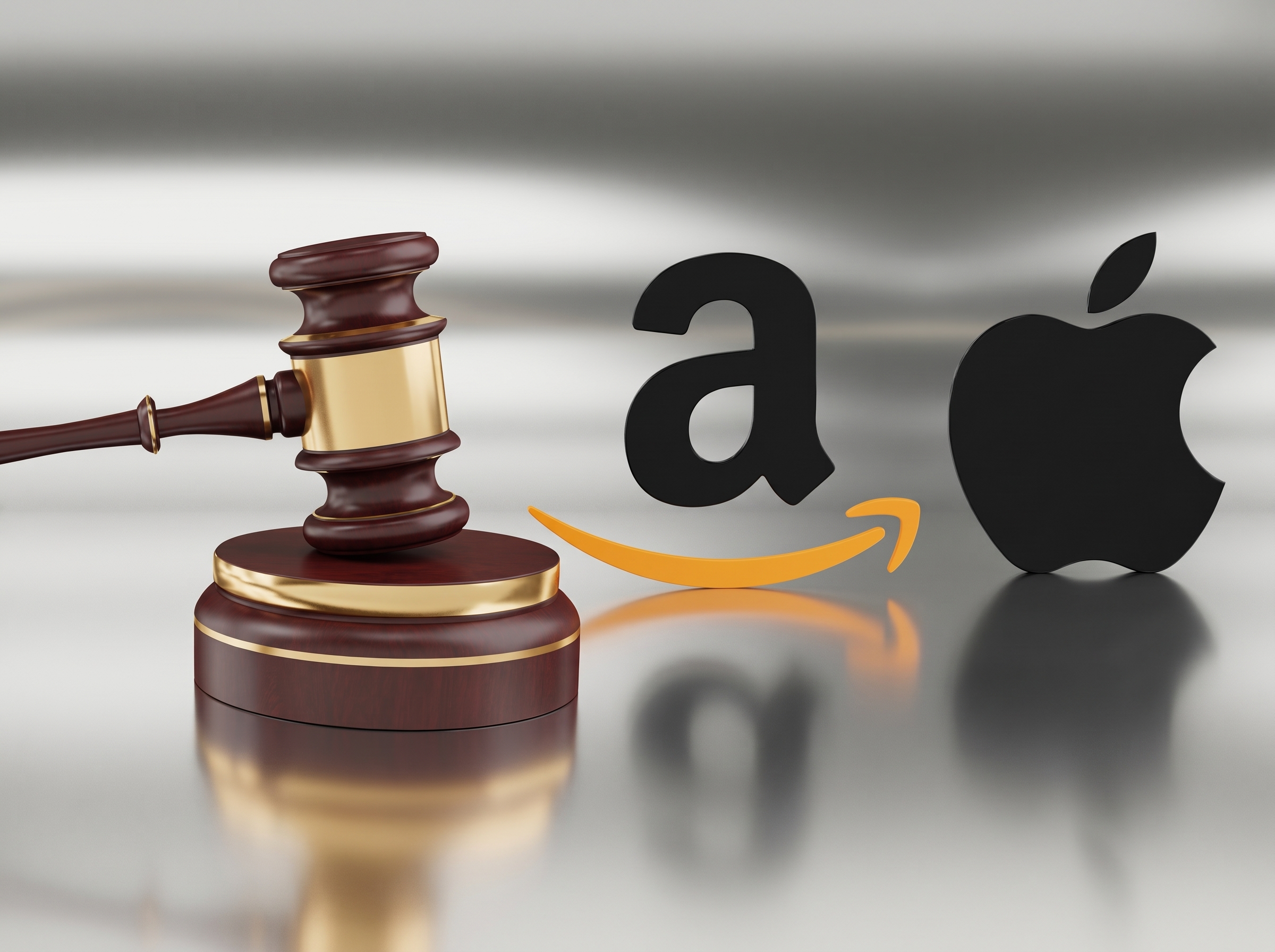
UK Court Revives Antitrust Case Against Apple and Amazon
The UK court has allowed a class action antitrust lawsuit against Apple and Amazon to proceed, focusing on alleged anti-competitive practices.
Overview of the Case
A UK court has reopened a significant class action lawsuit against Apple and Amazon concerning an agreement made in 2018. This agreement is alleged to impose restrictions on independent sellers, limiting their ability to sell Apple and Beats products on Amazon's platform. Plaintiffs claim that these practices hinder competition and may result in increased prices for consumers.
Background
The lawsuit centers on claims that the partnership between Apple and Amazon effectively reduced the number of authorized sellers on Amazon, which could potentially inflate retail prices on these products. This matter is not new; Apple and Amazon have faced scrutiny and legal challenges regarding similar agreements in other countries, including Germany, the United States, Spain, and Italy.
Court Proceedings
Initially, the UK Competition Appeal Tribunal raised concerns about the adequacy of representation for the plaintiff group and the funding arrangements for the lawsuit. Specifically, the court was apprehensive about the financing agreement with Asertis, which allowed the funder to potentially receive compensations before the consumers themselves. These procedural complexities led to a temporary halt in the proceedings until a new representative was appointed.
Current Status
With the appointment of a new representative, the lawsuit has received the green light to proceed, although it is now limited in scope. The court has decided to focus on products sold by independent retailers on Amazon, explicitly excluding those sold directly by Apple. The reasoning behind this limitation is that claims regarding Apple's own retail impacts were deemed too complex and speculative to be substantiated at this stage.
Reactions from Apple and Amazon
Both Apple and Amazon have denied any wrongdoing, arguing that the agreement was established to protect consumers from counterfeit and fraudulent products associated with third-party sales. According to a spokesperson from Apple, the arrangement was designed to enhance customer safety and ensure the integrity of its products on the marketplace.
Implications of the Lawsuit
This revived case reflects ongoing concerns about competitive practices in the technology and retail sectors, particularly how major corporations manage their relationships with third-party sellers. As it develops, the outcome may set precedents influencing future regulations and business practices in e-commerce and beyond.
Popular news
The US Army has fully withdrawn from Baghdad, concluding a 20-year military mission that began in 2003 with the invasion to depose Saddam Hussein.





Subscribe to
our news
Get the most important updates and top stories in your inbox.