




 Business20 May 2026
Top US Commander Calls for More Bunker Busters to Tackle Underground Threats
Adm. Brad Cooper urges for more GBU-57 bunker-buster bombs as adversaries increasingly move assets underground to evade strikes.
Increased Demand for Bunker Buster Weapons
The head of US Central Command, Admiral Brad Cooper, has expressed an urgent need for more bunker-buster bombs as adversaries increasingly relocate critical military assets underground. Speaking at a recent US House Armed Services Committee hearing, Cooper highlighted the evolving military tactics adopted by US opponents, primarily noting Iran's significant fortifications of its nuclear sites.
Current Military Landscape
In his remarks, Cooper outlined a wishlist of essential military capabilities. He advocated for enhancements in electronic warfare, improvements in counter-uncrewed aerial systems (UAS), and a targeted investment in weapons designed for deeply buried targets, specifically emphasizing the GBU-57 bombs utilized in prior operations.
"Everybody is going underground," Cooper stated, underscoring the urgency of addressing this tactical shift in warfare. The GBU-57 Massive Ordnance Penetrator, known for its deep penetration capabilities, has already been deployed in strikes against Iranian nuclear facilities, showcasing its importance in current military strategy.
Recent Operations & Historical Context
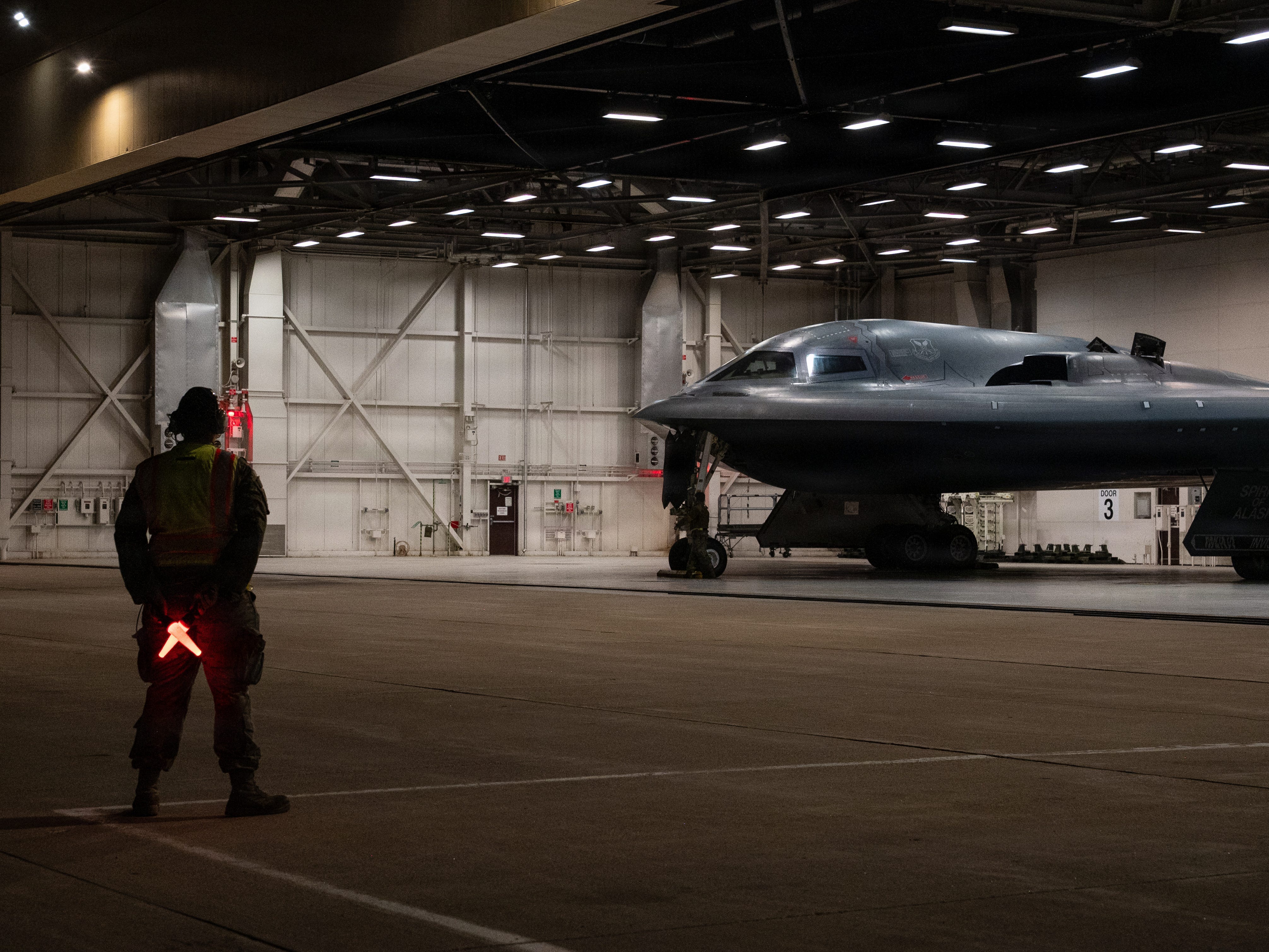
The need for these advanced bunker busters comes in light of the US's recent Operation Midnight Hammer, a significant military operation against Iranian nuclear facilities. This operation marked the first combat use of the GBU-57, with strikes targeting locations including Fordow, Natanz, and Isfahan. A total of fourteen GBU-57s were dropped, demonstrating their role in the United States' strategy to counter fortified adversaries.
Admiral Cooper noted that many of Iran's military sites, particularly those related to nuclear development, are now located underground to avoid detection and possible destruction by aerial attacks. These fortified sites pose a complex challenge for US military operations, further necessitating advancements in penetrating munitions.
The Path Forward for US Military Capabilities
The US Air Force is currently working on a successor to the GBU-57, aiming to develop a new generation of penetrating weapons. A contract has been awarded to New Mexico's Applied Research Associates to prototype an air-to-ground weapon system that balances performance with operational requirements, such as being capable of deployment in GPS-denied environments.
While specifics regarding the new bomb’s design remain confidential, it has been specified that it should weigh no more than 22,000 pounds and deliver effective blast and fragmentation effects.
As military operations evolve, Cooper reaffirmed the importance of maintaining pressure on adversarial capabilities, noting successes in degrading Iran's missile and drone operations while addressing the ongoing regional challenges that the US faces.
With tensions remaining high, particularly as Iran threatens escalation amid US and Israeli military activities, the call for enhanced bunker-buster capabilities is not just a matter of military preference—it is a recognized necessity in the realm of modern combat.
Amid discussions of military strategy, US President Donald Trump has indicated he was on the brink of authorizing further strikes against Iran before halting in light of diplomatic negotiations.
Popular news
U.S. Treasury yields hit a 2007 high, igniting fears of rising inflation and debt, with 30-year yields now at 5.19%.





Subscribe to
our news
Get the most important updates and top stories in your inbox.