




 Technology18 May 2026
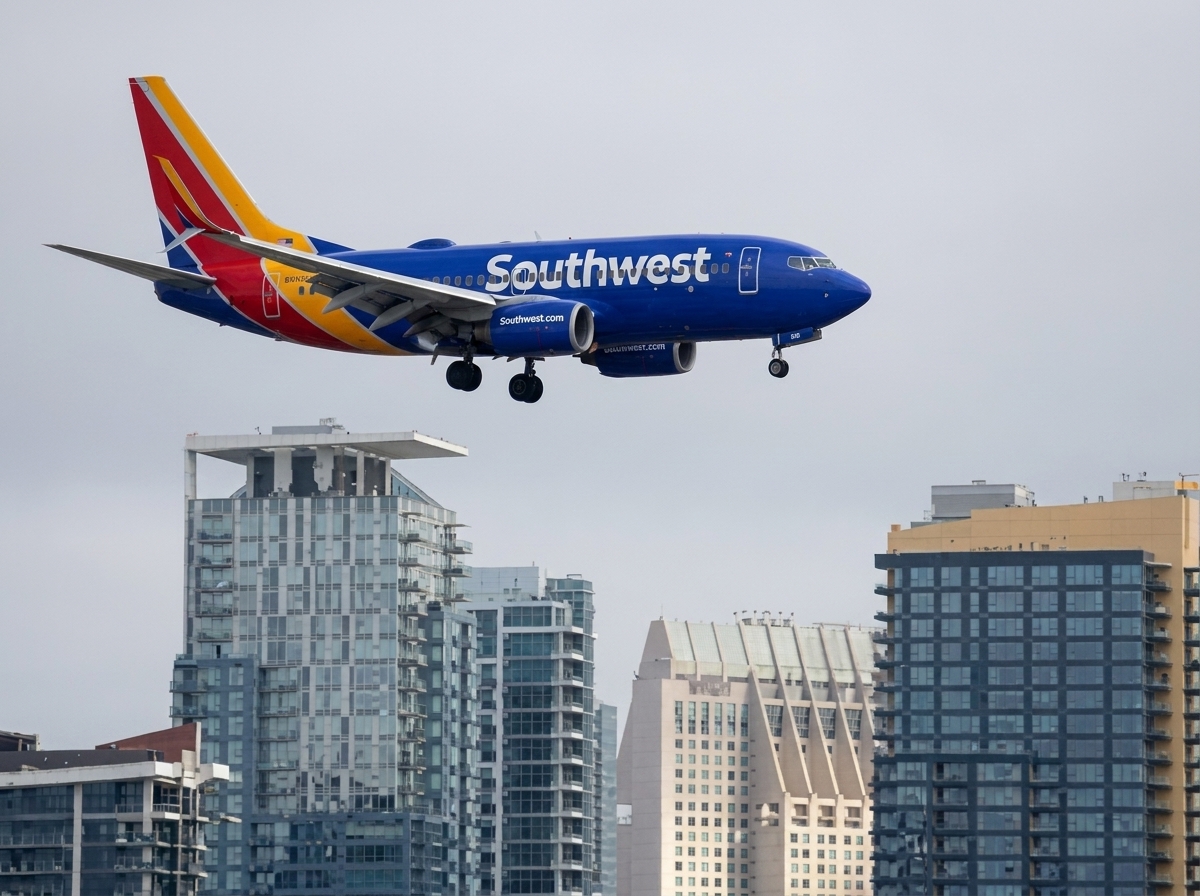
Southwest Airlines Bans Humanoid Robots and Robot Pets from Flights
Southwest Airlines has enforced a ban on humanoid and animal-like robots on flights due to safety concerns about lithium-ion batteries.
Southwest Airlines Implements Robot Ban
Southwest Airlines has introduced a new policy that prohibits the transport of humanoid robots and animal-like robots on its flights, effective May 15. This decision encompasses both cabin and checked baggage, with exceptions for smaller robots that can be carried onboard, provided they adhere to the airline's battery regulations.
Safety Concerns Drive Policy Change
The airline's spokesperson, Lynn Lunsford, clarified that the change was not triggered by any specific incident but was a response to several recent occurrences involving robots on flights that caused delays. "We have had a handful of recent experiences in which customers either bought seats for devices or tried to carry them on as baggage," said Lunsford via email. "One led to a flight delay, which has been making headlines. The primary concern is the size of the lithium-ion batteries used to power them and the risk they pose during flight. To eliminate confusion, the policy applies to all similar devices, regardless of size."
Battery Regulations and Exceptions
Passengers bringing onboard other types of robots must ensure they fit within the dimensions of a carry-on bag and comply with the existing lithium-ion battery restrictions. Currently, Southwest limits mobile power banks, which use similar battery technology, to 100 watt-hours, and passengers are allowed only one power bank per customer. In recent months, the airline has taken measures to reduce the risk of battery fires and has prohibited charging devices within carry-on luggage.
Recent Incidents Involving Robots
The ban follows a string of incidents where robots disrupted flight operations. Notably, a Bebop robot created by Unitree was a passenger on a Southwest flight from Oakland to San Diego, which resulted in a flight delay. Additionally, another robot known as Stewie was transported in its own seat on a flight from Dallas to Las Vegas on May 10. Both robots belonged to companies that rent out humanoid devices for promotional events.
In light of the increasing use of robots for various tasks, including warehouse operations and package deliveries, Southwest’s decision reflects a cautious approach to safety in air travel. While technology continues to advance, the complexities of integrating such robots into passenger flights remain a challenge for airlines.
Overall, Southwest Airlines appears focused on mitigating risks associated with advanced technology while maintaining safety for all passengers in accordance with federal aviation guidelines.
Popular news
Israeli PM Netanyahu declares control of 60% of Gaza, with Defence Minister Katz indicating rapid changes in the situation.


Subscribe to
our news
Get the most important updates and top stories in your inbox.