




 World15 Jul 2026
Running Dry: Innovative Strategies for Groundwater Storage During Dry Seasons
Innovative strategies are crucial for groundwater storage as climate change increases droughts and flooding, especially in Germany.
The Growing Challenge of Water Scarcity
Increasingly extreme weather patterns attributed to climate change are prompting water shortages around the globe, particularly in Germany, where groundwater resources are rapidly depleting. According to the Helmholtz Centre for Environmental Research, many soils in Germany are now significantly too dry, affecting both agricultural productivity and drinking water availability. The situation has become urgent, with municipalities like Munich implementing bans on private swimming pool filling and lawn watering to conserve vital resources during heatwaves.
Understanding Groundwater Reserves
Groundwater, known as a key reservoir for nearly half of the world's drinking water, accumulates when rain seeps underground, forming reserves above impenetrable layers of rock or clay. Unlike surface water, groundwater is often the most reliable source of water in arid regions. However, global demand has led to its extraction at an alarming rate—three times higher than it was 50 years ago. With over two billion people and 40% of global agricultural output relying on overexploited groundwater, finding effective storage and replenishment solutions is crucial.
Methods to Enhance Groundwater Storage
Smart Storm Water Storage Initiatives
Leading the way in addressing groundwater depletion is a research team from the Technical University of Munich, spearheaded by hydrogeologist Thomas Baumann. They have developed a novel system called the "Smart Storm Water Storage," aimed at combining flood protection with drought prevention. This system operates in a flood-prone region north of Munich, where heavy rains often lead to flooding while simultaneously depleting groundwater resources necessary for irrigation and drinking.
The Smart Storm Water Storage system captures excess rainwater, purifies it, and channels it down through infiltration wells into underground aquifers. This innovative approach ensures the collected water can be retrieved later, effectively using surface runoff to maintain groundwater levels.
Global Approaches in Groundwater Management
Cities across the world are adopting diverse methods to replenish groundwater. In Namibia, the capital city of Windhoek has implemented a pioneering approach since the late 1960s to convert wastewater into drinking water. By utilizing infiltration wells, treated water is redirected into the groundwater, thereby minimizing evaporation losses, a challenge faced by open reservoirs.
Similarly, California has embraced managed aquifer recharge as a strategy to cope with repeated droughts. The state's water agency reported that over 4.1 million acre-feet of water were injected into aquifers in 2023 alone, emphasizing the importance of groundwater storage in regions dependent on it.
Additional Strategies for Sustainability
Agricultural Flood Water Utilization
Another potential solution lies in targeted flooding of agricultural lands during heavy rain. This method captures floodwaters efficiently, allowing land to be used for agriculture even after the water has been absorbed into the soil. However, this practice necessitates careful management to ensure that crops are unharmed and no pollutants seep into the groundwater.
Natural River Restoration
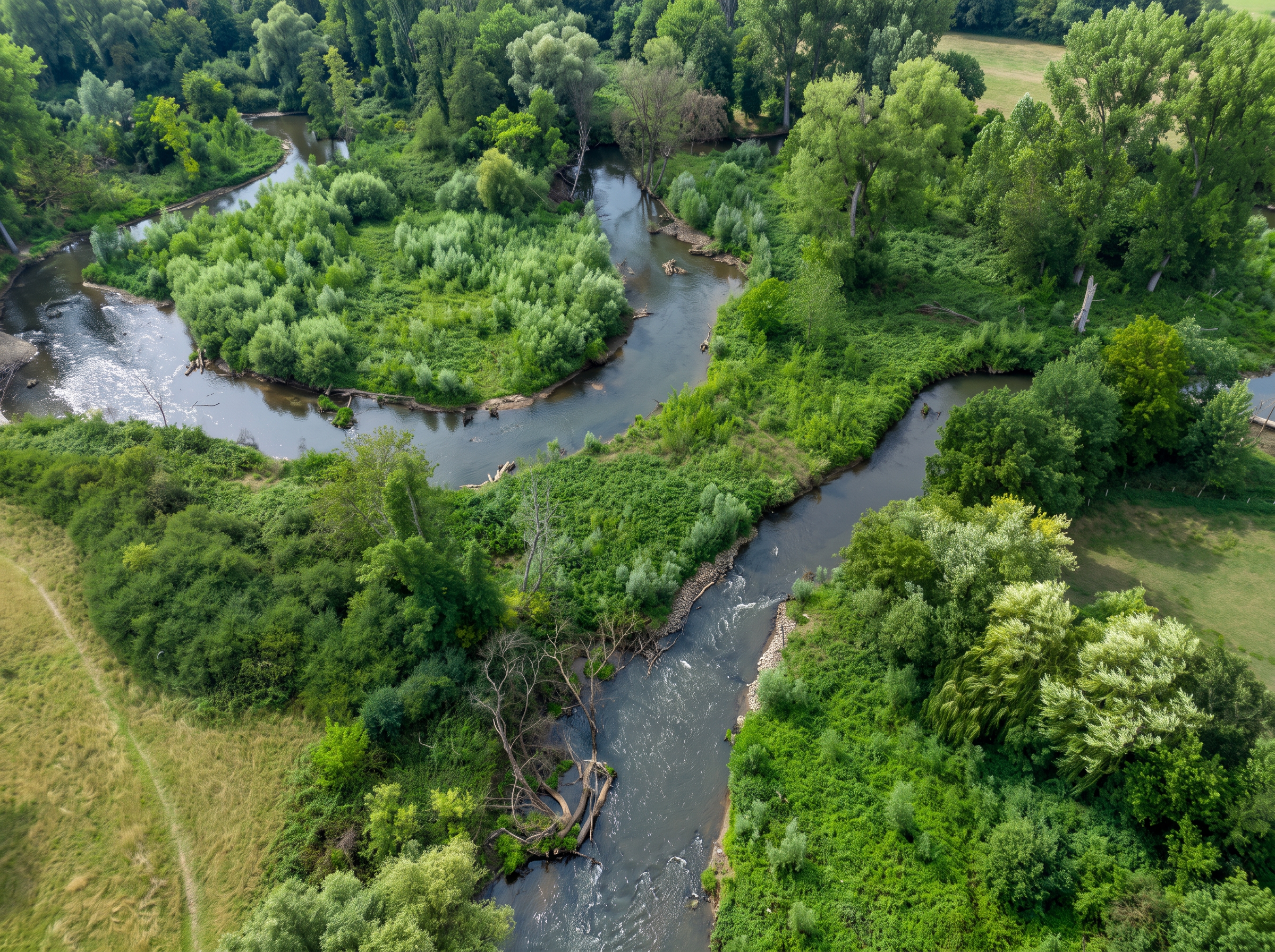
Restoring natural river systems can also enhance groundwater replenishment by creating side channels during floods, allowing excess water to be absorbed into the ground. These natural processes not only bolster groundwater supplies but also diminish flood risks, facilitating a symbiotic relationship between water conservation and ecosystem health.
Innovative Water Retrieval Techniques
In Germany, the practice of bank filtration allows for indirect extraction of drinking water from rivers. By pumping water out from wells near these water bodies, groundwater is drawn in, naturally filtered through the soil. This method is particularly effective in urban settings, where protecting compromised groundwater sources is essential.
Conclusion
Given the growing pressures of climate change on water supplies, innovative groundwater storage solutions represent a critical component in securing water availability during dry seasons. As researchers and policymakers continue to explore various methods of groundwater management, the successful implementation of systems like Smart Storm Water Storage could prove essential in addressing the ongoing challenges of drought and flooding, securing this precious resource for generations to come.
Popular news
Tokyo erupted in joy as fans celebrated Japan's 4-0 World Cup win against Tunisia at Shibuya Crossing, marking a momentous occasion in soccer.





Subscribe to
our news
Get the most important updates and top stories in your inbox.