 World20 May 2026
Race to Contain Ebola Outbreak in Conflict-Ridden DRC
Ebola outbreak response in the DRC faces hurdles due to conflict, fragile infrastructure, and humanitarian challenges, warns Action Against Hunger.
Urgent Response Required Amidst Challenges
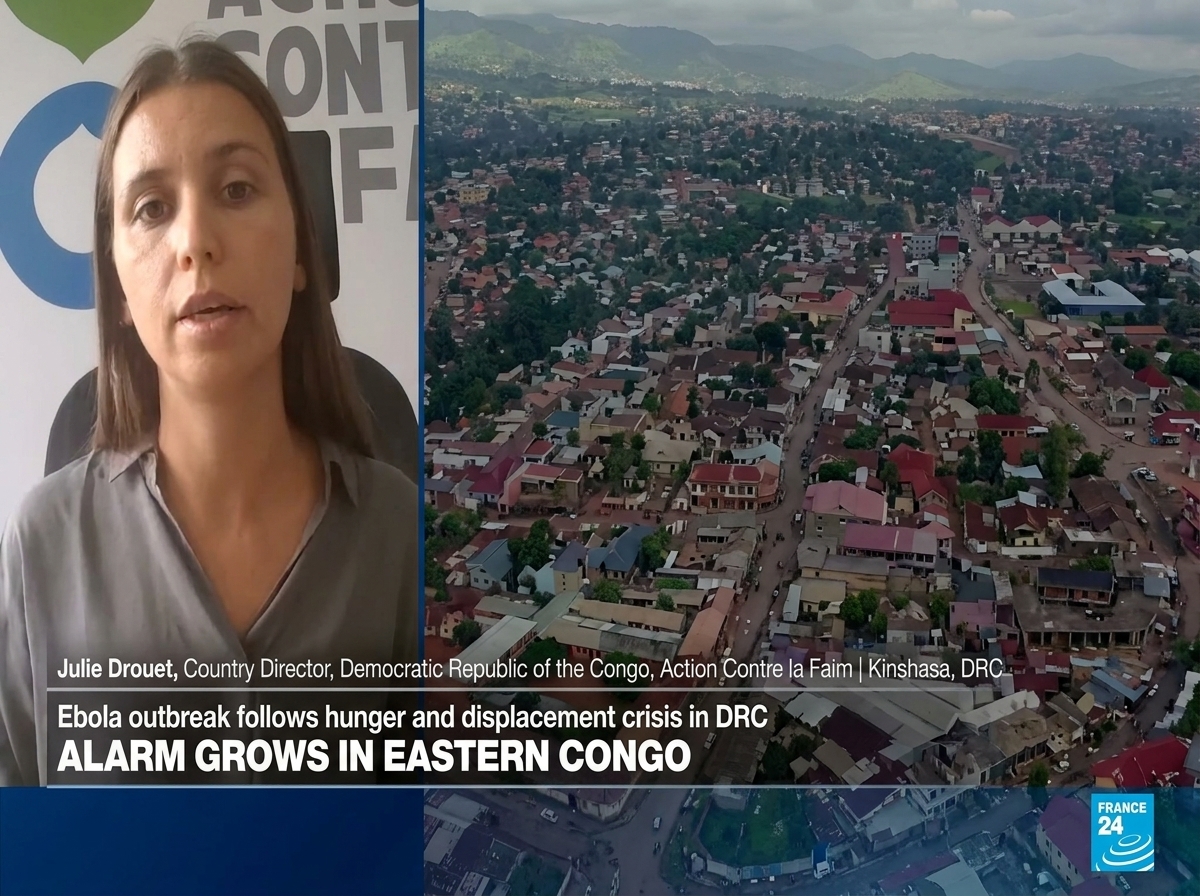
As the Democratic Republic of Congo (DRC) grapples with a new Ebola outbreak, the situation is further complicated by ongoing conflicts and a fragile infrastructure. Julie Drouet, the DRC Director for Action Against Hunger, shared insights on the immediate response to this health emergency during a recent interview with Annette Young.
Complex Health Emergency
Drouet emphasized that the DRC's current humanitarian crisis is not just a health issue but a complex interplay of factors including political instability and infrastructural deficits. The country has a history of health emergencies, but the added layer of conflict increases the stakes.
“Ebola outbreaks are not only about the virus; they reflect deep-rooted vulnerabilities in the healthcare system and society. The ongoing conflicts in the eastern provinces only serve to exacerbate these vulnerabilities, making it hard to implement an effective response,” Drouet stated.
Infrastructure: A Major Barrier
The DRC's weak infrastructure poses significant challenges in mobilizing resources and managing the outbreak effectively. Access to healthcare facilities is limited, with many regions being difficult to reach due to poor roads and ongoing violence. Health workers struggle to access remote villages where the outbreak may spread unchecked.
“Each day that passes without adequate intervention is a day where the outbreak could escalate. The conditions on the ground demand immediate action from both local authorities and international partners,” Drouet warned.
Humanitarian System Under Pressure
With the situation evolving rapidly, Drouet noted that the humanitarian response is also under immense pressure. Organizations like Action Against Hunger are working tirelessly but face logistical hurdles that complicate their efforts.
The call for increased international support is clear, as Drouet highlighted the need for not only humanitarian assistance but also investment in rebuilding the DRC’s health infrastructure to withstand future crises better.
Looking Ahead
As the battle against Ebola continues in the DRC, there is a pressing need for a coordinated response that takes into account the multifaceted challenges of operating in a war-torn region. Without a robust and comprehensive approach, the efforts to contain the outbreak may fall short, leaving vulnerable populations at risk.
In conclusion, the response to the Ebola outbreak in the DRC serves as a stark reminder of how intertwined health security, humanitarian aid, and structural resilience are in addressing public health crises.
Popular news
U.S. Treasury yields hit a 2007 high, igniting fears of rising inflation and debt, with 30-year yields now at 5.19%.




Subscribe to
our news
Get the most important updates and top stories in your inbox.