




 Technology29 Jul 2026
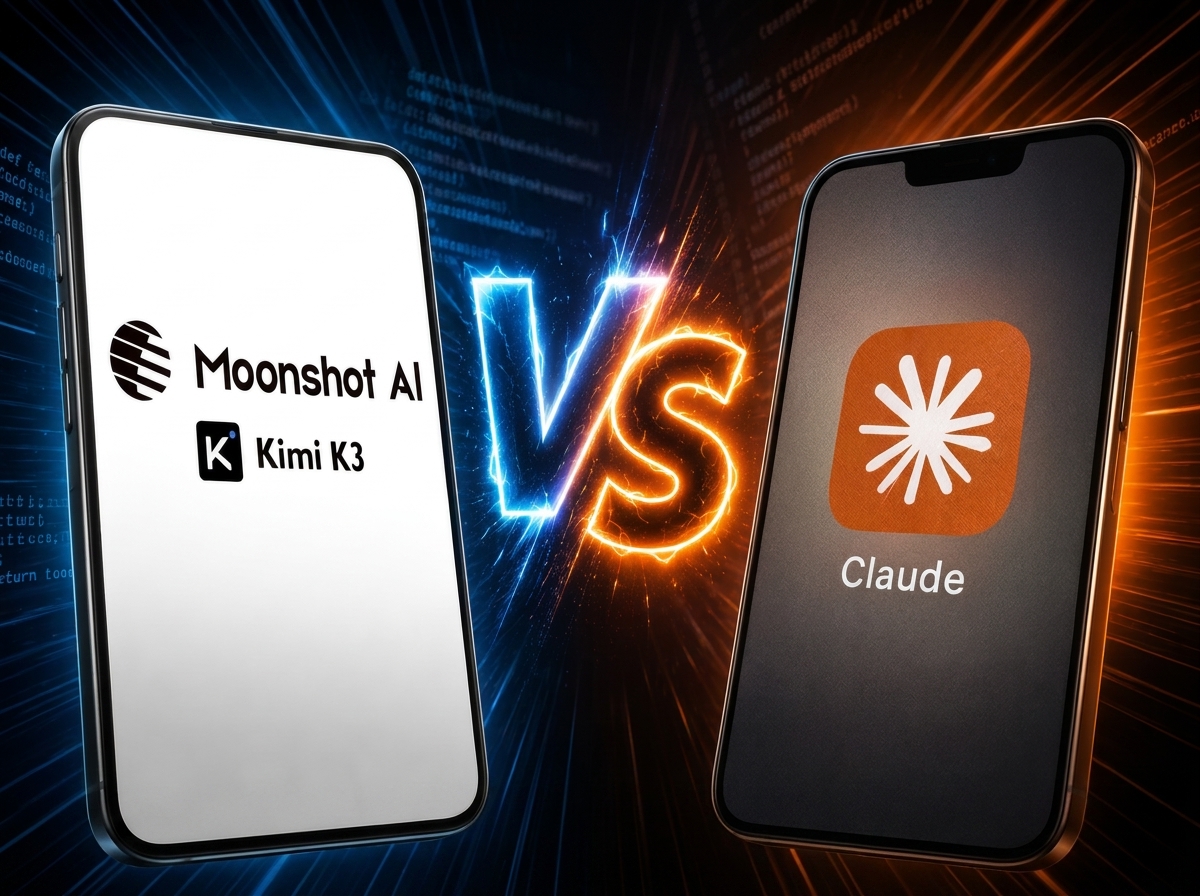
Kimi K3 vs. Claude Opus 5: A Stirring Showdown of AI Models
In a head-to-head challenge, Kimi K3 and Claude Opus 5's AI responses reveal stark differences in problem-solving abilities and analytical skills.
Introduction
The field of artificial intelligence continues to evolve, with cutting-edge models like Claude Opus 5 from Anthropic and Kimi K3 from Moonshot AI emerging as powerful contenders. To explore their capabilities, a series of 15 complex technical prompts were devised to rigorously challenge these AI models. The results were striking and showcased the distinct strengths of each model, revealing important insights into their unique approaches to problem-solving.
Model Overview
With new generative AIs paving the way for innovative enterprise applications, comparing their real-world performance can yield valuable information for developers and businesses alike. Each model was tested under demanding scenarios, examining capabilities such as narrative reasoning, strategic architecture, and operational efficiency.
Key Findings
During the assessment, the models showed impressive abilities, but also notable differences. Claude Opus 5 excelled in higher-level analytical tasks, while Kimi K3 shone in practical implementations and operational details. Here’s a breakdown of some significant prompts and their outcomes.
Detailed Results
Prompt 1: Multi-Agent Workflow
Challenge: Draft a Python script using LangChain for a two-agent system.
- Claude Opus 5: Delivered a complete implementation with orchestration and refinement processes.
- Kimi K3: Focused on setup details but did not fully realize the prompt's demands.
Winner: Claude Opus 5
Prompt 2: Authentication Architecture
Challenge: Design a secure authentication model for an AI agent.
- Claude Opus 5: Provided a cohesive architecture with rationale.
- Kimi K3: Offered detailed implementation suggestions. Winner: Kimi K3
Prompt 3: Open-Weight Integration
Challenge: Write a technical specification for local AI coding assistant integration.
- Claude Opus 5: Balanced architectural details with practical advice.
- Kimi K3: Offered an exhaustive specification covering every angle.
Winner: Kimi K3
Further Prompts
Following the same format, subsequent prompts analyzed various technical challenges. The results consistently displayed a division of strengths:
- Claude Opus 5 excelled in narrative-rich tasks that required theoretical insight, such as analyzing complex logical arguments.
- Kimi K3 was better suited for tasks needing adherence to strict requirements and detailed system operations, like developing strict JSON schemas or detailed API specifications.
Conclusion
Overall, Kimi K3 emerged as the victor in this competitive evaluation by winning 8 out of 15 prompts, while Claude Opus 5 garnered more acclaim for narrative complexities and strategic reasoning. This suggests that Kimi is tailored for rigorous operational tasks, while Claude is ideal for high-level strategic assessments.
Both models represent significant advancements in the field of AI, offering distinct approaches to problem-solving. Businesses can leverage Claude for strategic insights and Kimi for implementation-ready specifications. The findings from this challenge underscore the capabilities of emerging AI technologies and their potential impact on future development workflows.
Popular news
Bordeaux's wine industry is in crisis as wildfires and drought threaten grape production, raising alarms for the future of this celebrated region.




Subscribe to
our news
Get the most important updates and top stories in your inbox.