




 Technology30 Sept 2026
Juice Spacecraft Captures Breathtaking Images of Earth and Moon
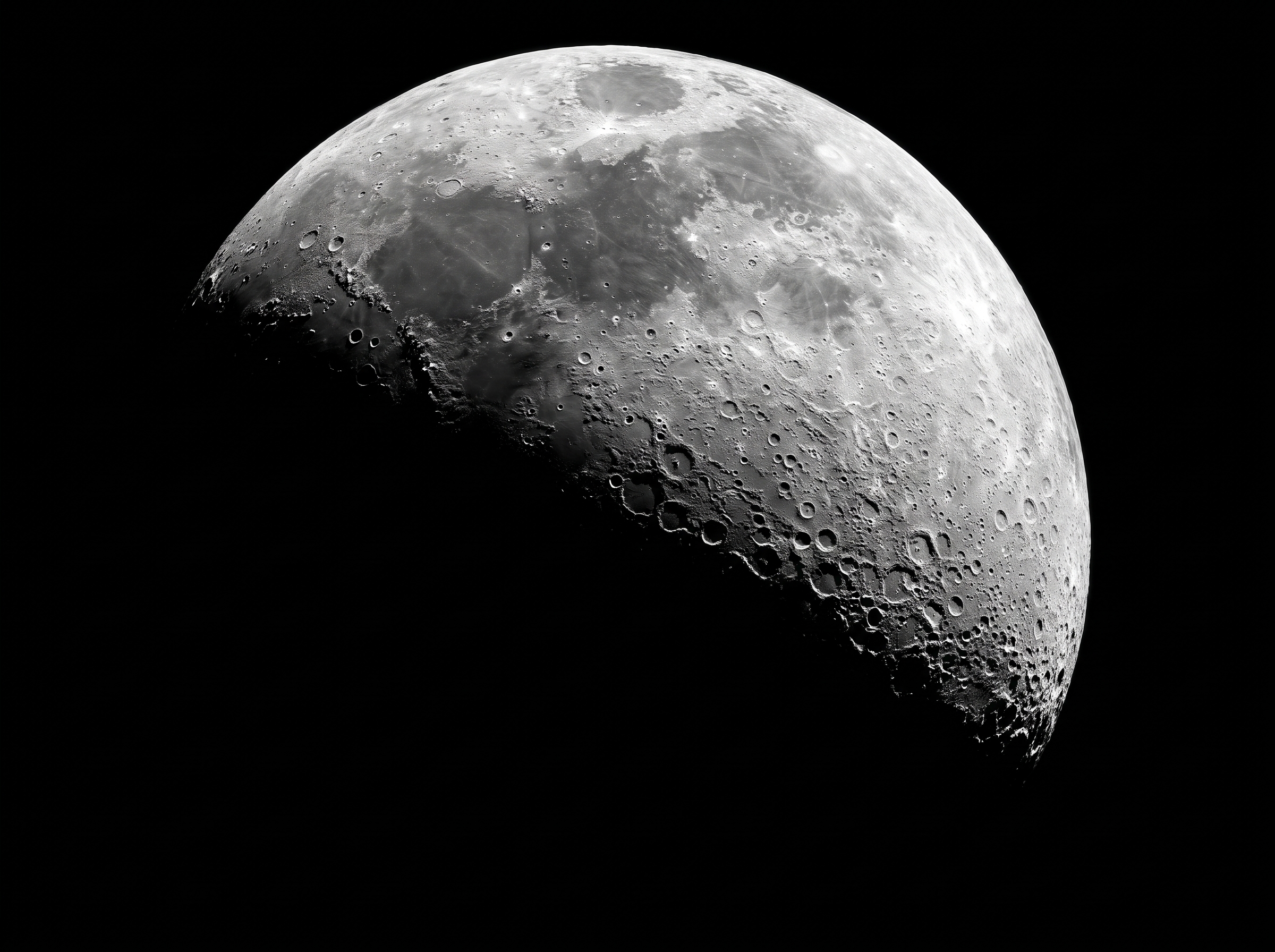
The Juice spacecraft offers stunning views of Earth and the moon during its flyby, setting the stage for its journey to Jupiter.
Stunning Imagery from Space
The European Space Agency's (ESA) Juice spacecraft has recently provided breathtaking photos of Earth and the moon during a flyby on Monday. The spacecraft came as close as 5,370 miles to our planet, using Earth's gravity to accelerate towards its target destination — Jupiter. This maneuver not only showcased the spacecraft's imaging technology but also served as a crucial gravity assist, boosting its speed significantly on its journey to the gas giant scheduled for arrival in 2031.
A Closer Look at the Flyby
At approximately 7:45 a.m. ET on September 28, 2026, Juice soared over the Indian Ocean, with its monitoring and navigation cameras snapping pictures of diverse locations, including Africa and Madagascar. The gravity from Earth altered the trajectory of Juice by 20 degrees, propelling it forward by about 7,800 mph with minimal fuel consumption — a strategy crucial for its long-term mission.
Angela Dietz, Juice's spacecraft operations manager, noted, "We used only a small amount of the propellant reserved for this flyby. This gives us more to use at Jupiter to carry out observations of the planet's icy moons."
Rehearsal for Future Missions
This flyby serves as the second of Juice's Earth encounters, effectively a rehearsal for future maneuvers. Following this event, the mission will include a combined flyby of the moon and Earth in 2024, a pass by Venus in 2025, and a third Earth flyby in January 2029. By leveraging the gravitational forces of various celestial bodies, Juice can conserve valuable fuel for its science objectives once it arrives at Jupiter.
Science in Action
Throughout its flyby, Juice's monitoring cameras continuously captured stunning images, with final shots taken as they passed on Tuesday. The images also provide a test for new positioning methods required for maneuvering around Jupiter's moons. Scientists anticipate releasing high-resolution captures from Juice's main science camera, JANUS, in the upcoming weeks. This camera's name, an acronym derived from its Latin translation referencing Jupiter and its moons, underscores the mission's comprehensive exploratory goals.
Future Exploration of Jupiter
Once Juice reaches Jupiter, it will engage in extensive research, making 35 flybys of its moons — Ganymede, Europa, and Callisto — all of which are believed to hold vast oceans beneath their icy surfaces. As scientists look to understand the potential for life in these extraterrestrial oceans, Juice will also study Jupiter's influential magnetic field and radiation, preparing to enter orbit around Ganymede by 2034.
This complex journey illustrates how space missions integrate innovative techniques and strategic planning to maximize efficiency in reaching and studying distant celestial bodies. By using gravitational assists instead of direct routes, Juice minimizes fuel needs, thereby preserving resources for its principal scientific objectives — understanding Jupiter's enigmatic moons.

As Juice swung around Earth for a gravity assist, it captured stunning views of Africa, with the moon visible as a tiny gray speck to the right of the planet.
Credit: ESA / Juice / JMC

The Juice spacecraft caught Madagascar at its closest approach to Earth during a flyby on Monday.
Credit: ESA / Juice / NavCam
Popular news
The US Army has fully withdrawn from Baghdad, concluding a 20-year military mission that began in 2003 with the invasion to depose Saddam Hussein.





Subscribe to
our news
Get the most important updates and top stories in your inbox.