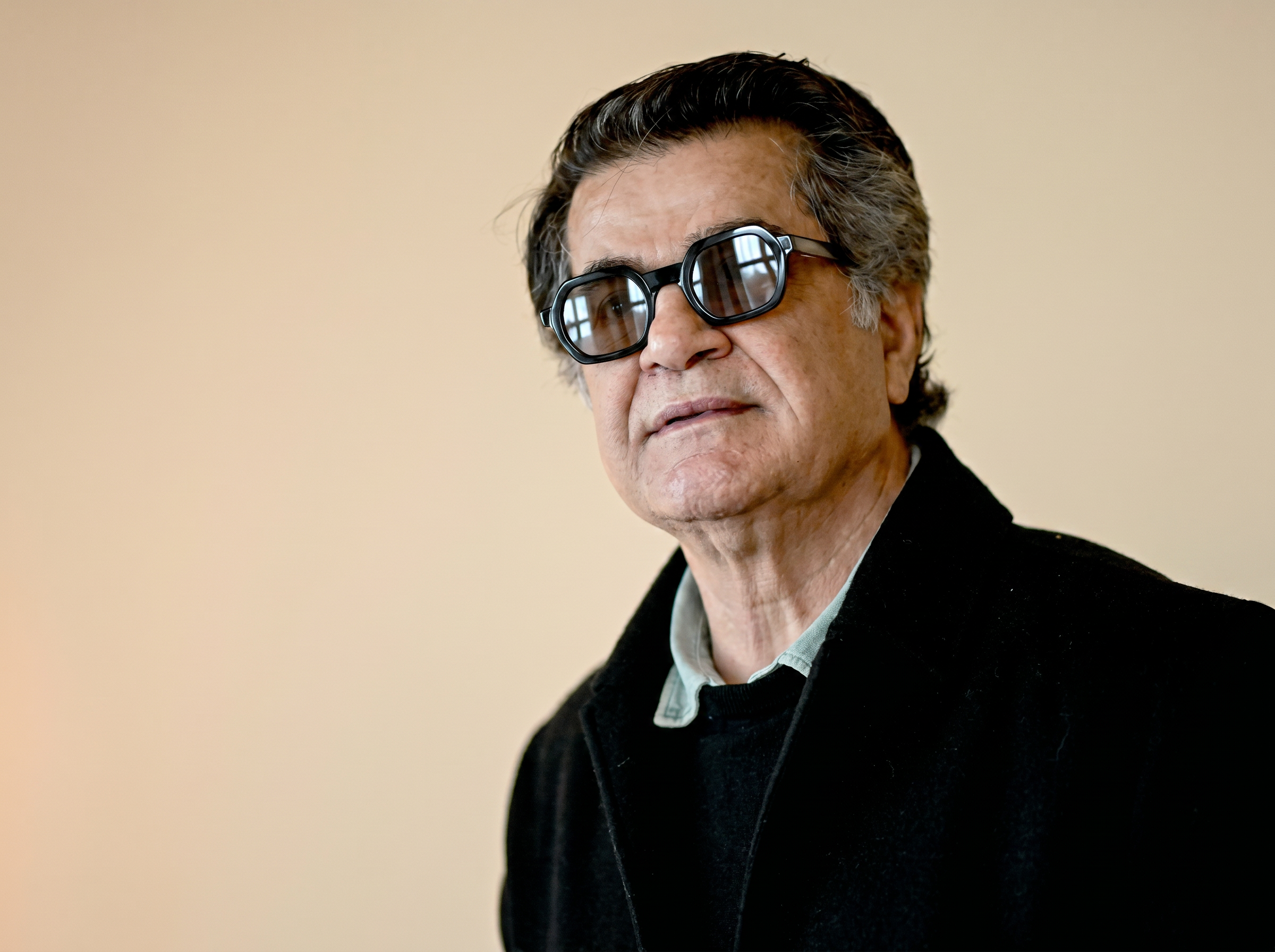
 World08 Jun 2026
Jafar Panahi's Prison Sentence Upheld by Iranian Court
Iranian filmmaker Jafar Panahi's one-year jail term was upheld, along with a travel ban, for his opposition to the Islamic Republic's policies.
Jafar Panahi's Prison Sentence Upheld
Jafar Panahi, the renowned Iranian filmmaker, faces a grim reality as a Tehran Revolutionary Court has upheld a one-year prison sentence against him for propaganda against the Islamic Republic of Iran. This ruling represents yet another chapter in Panahi's long-standing battle with censorship in his home country.
Background on Panahi's Charges
The court's decision, confirmed on June 8, 2026, stems from accusations regarding Panahi's involvement in producing films considered subversive by the Iranian authorities. According to his lawyer, Mostafa Nili, along with the prison sentence, Panahi has also received a two-year travel ban and a prohibition from joining any political groups or organizations. The charges are reportedly based on his creation of underground films and his vocal support for political prisoners and the widespread protests following the "Woman, Life, Freedom" demonstrations.
The Context of Panahi's Filmmaking
This ruling comes on the heels of a previous decision made while Panahi was abroad, promoting his film "A Simple Accident," which later garnered the prestigious Palme d'Or at the Cannes Film Festival in 2025. Notably, he returned to Iran on March 30, despite knowing the in-absentia judgements against him. His journey reflects a commitment to his craft, emphasizing that filmmaking remains a form of resistance against oppressive regimes.
Jafar Panahi's filmography has often blurred the lines between artistic expression and political commentary, despite his assertion that he does not aim to be a political filmmaker. He has faced various challenges, including a previous ban from filmmaking and a sentence imposed in 2010 that restricted his ability to produce and share films internationally.
The Filmmaker's Resolve
In interviews, Panahi has expressed that no authoritarian regime can quench his determination to create. "To make a film in the official way in Iran... I made another clandestine film. Again." This reflects his ongoing battle against a system that seeks to dictate artistic expression. His most recent project, "It Was Just An Accident," pushes boundaries further, tackling themes of violence and survival amidst the backdrop of a repressive state.
Despite the harsh climate for filmmakers in Iran, particularly those like Panahi who challenge the status quo, he has vowed to remain in the country. Many of his contemporaries have sought exile, yet Panahi finds his identity and creativity intertwined with Iran. "I had to be in Paris for three and a half months for post-production, and I thought I was going to die," he remarked, indicating his inability to adapt to life outside Iran.
Conclusion
As Jafar Panahi continues to navigate the treacherous waters of filmmaking under an authoritarian regime, this latest ruling only solidifies his status as a symbol of resistance against censorship in Iran. His unwavering commitment to his art serves as a beacon for filmmakers worldwide who strive to challenge oppressive systems through their work.
Popular news
Israel intercepts Iranian missiles in retaliation to earlier airstrikes in Beirut, raising concerns over the fragile ceasefire.




Subscribe to
our news
Get the most important updates and top stories in your inbox.