




 World05 Oct 2026
Israel Faces Growing Mental Health Crisis Three Years Post-October 7 Attacks
As Israel marks three years since the Oct. 7 attacks, nearly 39% of the population report mental health issues, leading to a worsening crisis.
Israel's Mental Health Crisis in the Aftermath of the October 7 Attacks
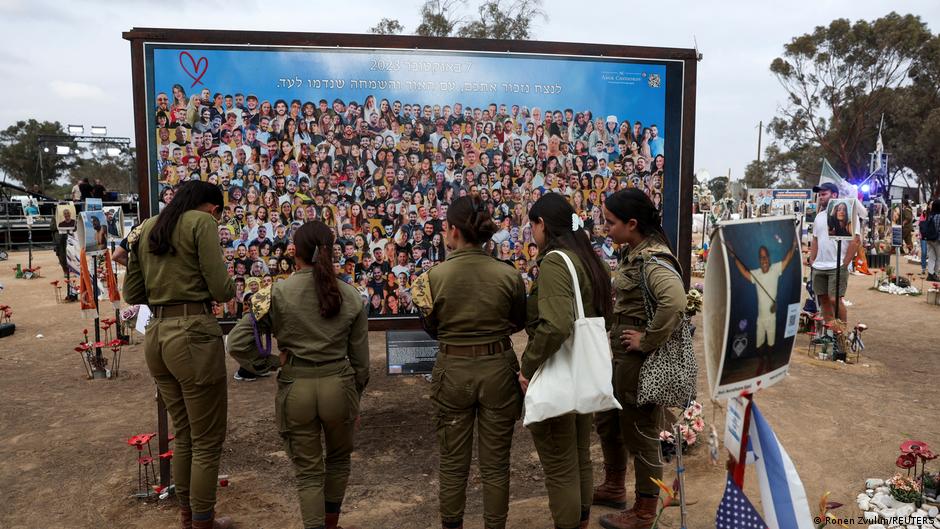
As the third anniversary of the October 7 attacks approaches, Israel grapples with a significant mental health crisis. According to a report from Israel's State Comptroller, roughly 39% of the Israeli population is suffering from various mental health conditions, including anxiety, depression, and post-traumatic stress disorder (PTSD). This translates to around 3 million individuals, with estimates suggesting that 600,000 of them are severely affected.
Survivors and the Ripple Effect of Trauma
The impact of the attacks, carried out by Hamas and its affiliates in Gaza, continues to resonate throughout the nation. The tragedy unfolded with almost 400 deaths during the assault on the Nova Party in southern Israel, resulting in widespread trauma among the families and survivors directly affected. Many, like Ronen Shalev, who lost his wife and witnessed horrific violence, share their personal battles with mental health challenges.
Shalev recalls, "You start shivering... it's not just one day and you move on." His family has lived through unimaginable suffering, with his son Roee also experiencing severe mood swings and eventually succumbing to his deteriorating mental state.
Systemic Challenges in Mental Health Care
Despite the alarming statistics, access to mental health care has seen only a marginal improvement post-October 7. The rate of individuals receiving treatment has increased by a mere 1% since the attacks, highlighting the systemic issues plaguing Israel's public mental health system. Research from the Adva Center points out that while the mental health budget saw an increase, it was insufficient given the scale of the crisis.
Noga Dagan-Buzaglo, a researcher at the think tank, reports that the mental health system is overwhelmed, with significant challenges still present. "The biggest challenge is convincing people to work in Israel's public mental health system, both due to lower wages compared to the private sector and a heavy workload," she notes.
Patients often face extensive waiting periods for treatment, sometimes stretching over six months, with some cases taking over a year to receive appropriate help. Adding to the crisis, many patients resort to prescription medications as mental health professionals grapple with their own trauma, with 84% of therapists treating clients showing symptoms of their own.
Rising Suicide Rates Among Reservists
The situation is particularly dire among combat soldiers and reservists. In a stark contrast to the years preceding the war, suicide rates among reservists have sharply increased. Reports indicate a jump from an average of one annual case to 11 confirmed suicides in 2024 alone. Such statistics underscore the urgent need for a comprehensive response to mental health concerns among those who serve.
Dagan-Buzaglo emphasizes that better treatment options and increased personnel are necessary, stating, "We need to acknowledge that trauma does not disappear after a year, and investment in mental health services is crucial."
Breaking the Stigma
Challenging the stigma surrounding mental health in Israel is crucial, especially in the wake of a crisis that has deeply affected the nation. Advocates, like Shalev, who often speak publicly about their experiences, push for greater acceptance and understanding of mental health issues. Shalev shares his philosophy of life, stating, "Life, with all its pain, is still worth deciding in favor of."
As the country navigates the residual effects of the October 7 attacks, the voices of survivors are pivotal in fostering a culture that encourages seeking help and healing. The messages from families affected by the violence serve as poignant reminders of the ongoing battle against mental health stigma, particularly within a context where many still feel the pressure to appear strong and resilient
If you or someone you know is struggling with mental health issues, reaching out for professional help can make a significant difference. Support resources are available to assist those in need.
Popular news
Google's open source bug bounty program is on hold until 2027 due to an influx of invalid AI submissions.


Subscribe to
our news
Get the most important updates and top stories in your inbox.