




 Business20 Jul 2026
Inside the Rollout That Propelled Christopher Nolan’s ‘The Odyssey’ to Box Office Success
Christopher Nolan's ‘The Odyssey’ burst onto the box office scene with a historic $124 million opening, thanks to a unique marketing approach.
A Groundbreaking Opening for ‘The Odyssey’
Christopher Nolan’s latest film, ‘The Odyssey’, debuted on July 17 with astonishing results, amassing approximately $124 million domestically and over $260 million globally within its initial weekend. This marks a historic milestone in Nolan’s esteemed career. Universal Pictures, who backed the film with a staggering $250 million production budget and around $125 million in marketing, achieved a triumph that many studios could only dream of.
Unique Marketing Strategies
Emphasizing Scarcity
The marketing rollout for 'The Odyssey' was marked by an unorthodox focus on scarcity, treating exclusive footage as an incentive to attend theaters rather than easily accessible online content. Universal first showcased a teaser in theaters before ‘Jurassic World Rebirth’ in July 2025 and strategically avoided releasing this footage online, opting instead for shaky, leaked clips that quickly disappeared. Audiences were captivated by the film’s six-minute prologue, which only played before selected 70mm rereleases, provoking a sense of anticipation and curiosity.
Trailer Success
By the time a more formal trailer hit the internet, it garnered an impressive 121.4 million views in the first 24 hours—marking the studio's highest launch of a trailer to date and surpassing previous records established by films like Wicked: For Good. This surge in views can be attributed to the careful buildup and strong theatrical exclusivity paired with the limited leak strategy.
Audience Engagement and Exclusive Screenings
Further enhancing anticipation, Universal also adjusted its approach to advance screenings, opting to exclusively invite critics instead of social media influencers. This decision carried its inherent risks but effectively safeguarded the film's narrative mystery while reinforcing the experience of watching ‘The Odyssey’ in cinemas. Such a plan also aligned with their distribution strategy, which included an extended theatrical window—maintaining the film’s presence in theaters for five weekends before any transition to home entertainment.
A Stellar Cast and Controversies
Star Power
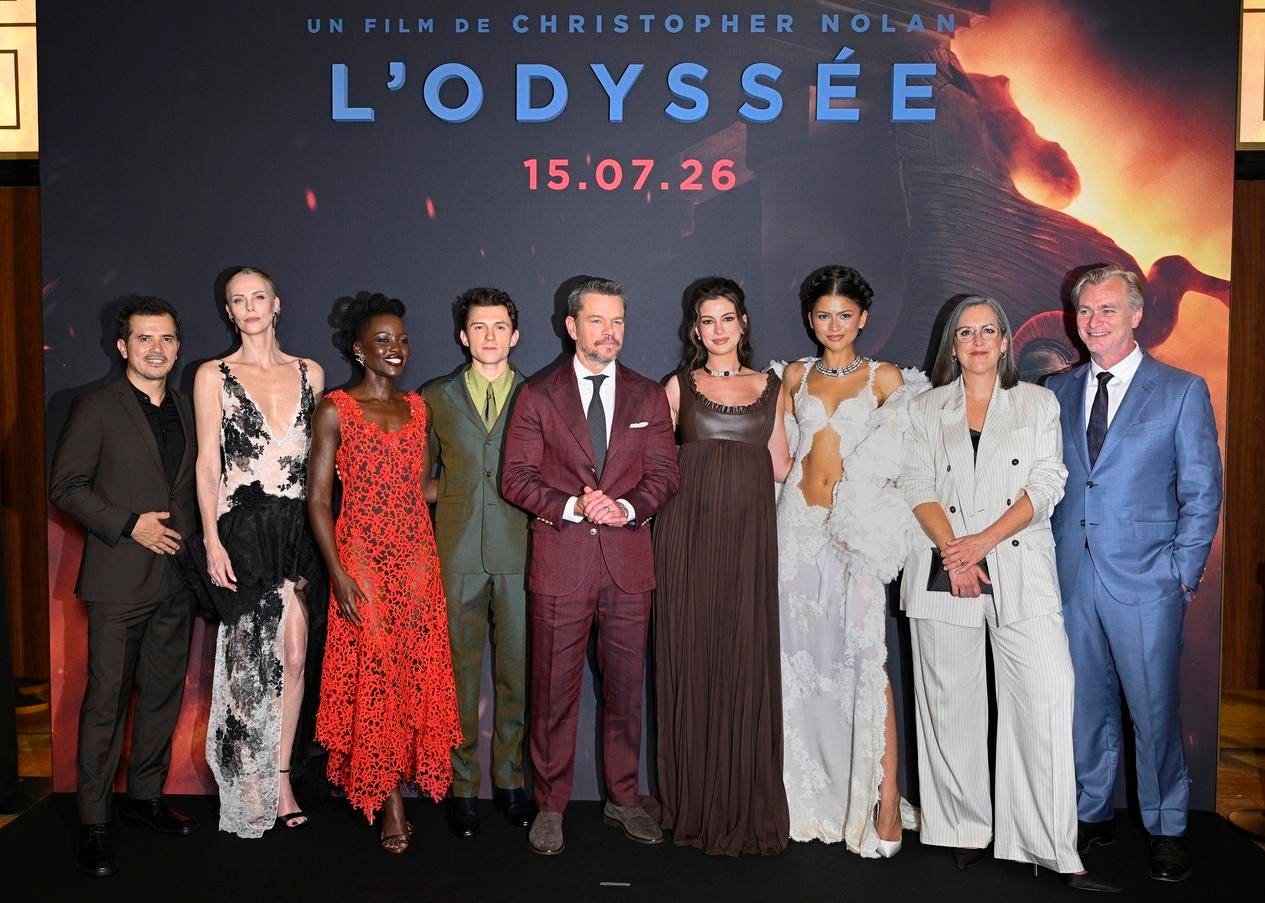
The film was bolstered by a star-studded ensemble featuring Matt Damon, Tom Holland, Anne Hathaway, Zendaya, Robert Pattinson, Charlize Theron, and Lupita Nyong'o. The London premiere red carpet turned into a promotional spectacle, generating additional media buzz through their press engagements. Comments from the cast, especially acclaim from Holland and Damon—who described the production's rigorous demands—provided invaluable publicity for the film.
Navigating Controversies
However, the campaign wasn’t without its challenges. Some pre-release attention stemmed from casting backlash, particularly regarding Lupita Nyong'o as Helen of Troy, which drew 542,000 dislikes on the final trailer. Although Universal didn’t directly escalate the controversy, they did nothing to quell it, which inevitably added another layer of public discussion surrounding the film.
What Could Have Been Improved
While the campaign achieved commendable results, there were critical elements left unexplored. The focus on theatrical exclusivity suited an established audience but alienated potential under-25 viewers, who primarily engage with films through digital platforms. A parallel content stream, such as behind-the-scenes glimpses, cast interviews, or partnerships focusing on the film's mythology instead of plot, may have broadened audience reach without revealing sensitive footage.
Additionally, the promotional possibilities surrounding the score led by Ludwig Goransson and the involvement of Travis Scott as an in-film bard were largely untapped, missing chances to resonate with cultural and music media.
Conclusion
In summary, Universal's disciplined campaign for ‘The Odyssey’ showcased that protecting the theatrical experience can significantly enhance a film’s success. The strategic focus on scarcity and exclusivity has not only yielded immediate box office rewards but will likely influence future marketing strategies in Hollywood. As other studios seek to emulate this approach, they should balance such methods with a commitment to engaging younger audiences through relevant content channels.
Popular news
The US announces a new 50% tariff on Canadian goods, escalating trade tensions amid claims of discriminatory practices by Canada.


Subscribe to
our news
Get the most important updates and top stories in your inbox.