




 Business21 Sept 2026
Inside the New War for Critical Metals
Robert Friedland highlights the urgent competition in critical metals as a pivotal issue in US-China relations.
The Rise of a New Resource Cold War
In the backdrop of growing tensions between the United States and China, the competition over essential minerals, particularly copper and rare earth metals, has escalated sharply. According to legendary mining investor Robert Friedland, this intensifying rivalry signifies a new phase in geopolitical struggles, with profound implications for national security and the global economy.
China's Dominance in Critical Supply Chains
Friedland emphasizes how China has ascended to a commanding position in the supply chains for these indispensable metals. Their strategic control allows them not only to dominate production but also to influence pricing and availability on a global scale. The trend signifies serious challenges for other nations, particularly as they seek to transition towards greener energy solutions and AI technologies that significantly rely on these materials.
Increasing Demand Fuelled by Technology
The demand for copper and rare earth metals is surging primarily due to burgeoning AI data centers. Friedland notes that the technological revolution and the push towards a digitized economy are driving a voracious appetite for these resources. Companies globally are scrambling to secure a stable supply, recognizing that failure to do so could undermine their operational capabilities and market positions.
Implications for National Security
Friedland warns that this race for critical metals is not just an economic issue but a national security concern as well. As countries realize their dependency on China for essential minerals, the potential vulnerabilities emerge. The energy transition, which relies heavily on a steady supply of these resources, is at risk if nations cannot diversify their sources and establish secure supply lines.
The Impact on the Global Economy
As countries pivot to mitigate their reliance on Chinese resources, Friedland believes this shifting landscape will reshape the global economy. The ongoing competition points to a need for greater collaboration and innovation among nations and corporations looking to secure their futures amidst these geopolitical changes. The race for critical metals could redefine international trade relationships and impact economic strategies worldwide.
In conclusion, Robert Friedland asserts that the new war for critical metals presents both challenges and opportunities. As nations navigate this complex landscape, the decisions they make today will undoubtedly influence the energy and technology sectors for generations to come.
Popular news
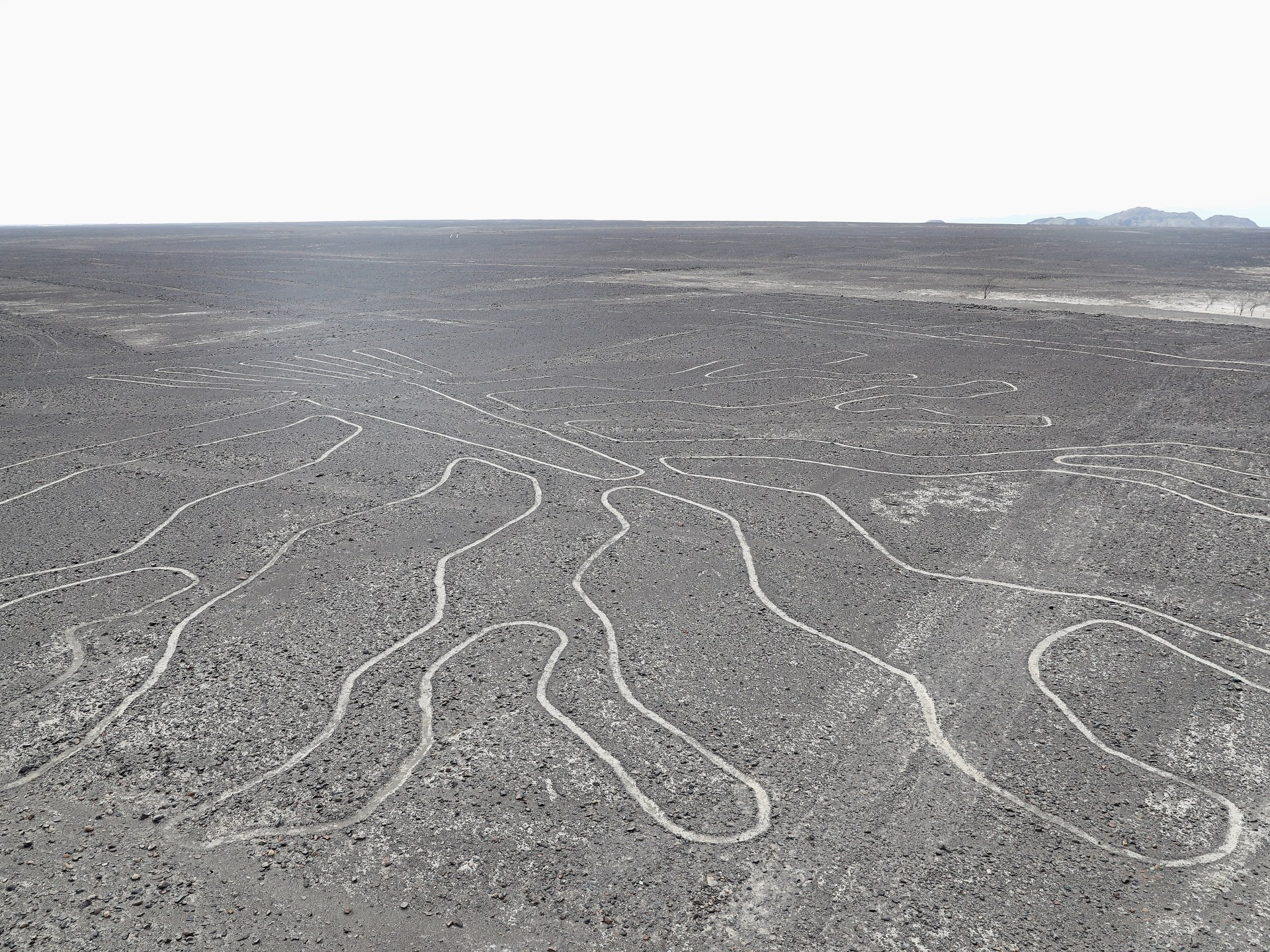
A small plane crash while touring the Nazca Lines in Peru has resulted in 13 fatalities, including tourists and crew.



Subscribe to
our news
Get the most important updates and top stories in your inbox.