




 World10 Jun 2026
India's West Bengal Intensifies Deportation of Bangladeshi Muslims, Heightening Religious Tensions
West Bengal's deportation of undocumented Bangladeshi Muslims raises fears of increased religious tensions and human rights violations.
Overview of Deportation Crackdown
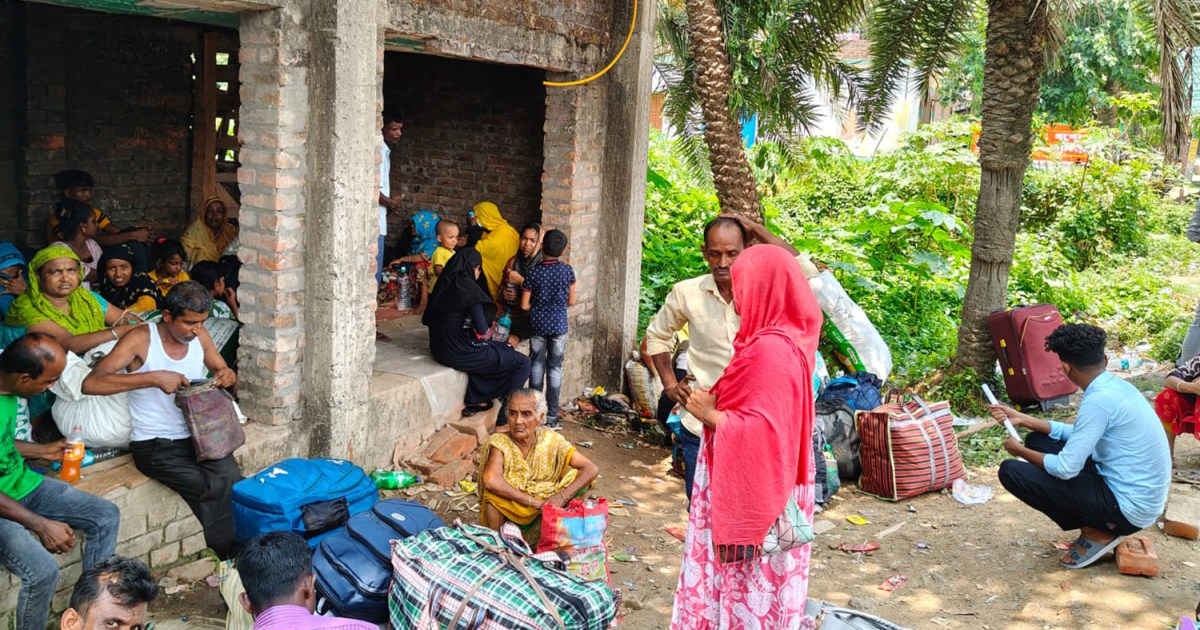
India's West Bengal has undertaken a rigorous campaign against undocumented Bangladeshi Muslims, igniting fears amongst vulnerable communities about their safety and rights. This initiative, part of a broader political agenda by the ruling Bharatiya Janata Party (BJP), aims to identify and deport individuals deemed illegal immigrants. The recent actions, described as a ‘detect, delete, and deport’ policy, have raised concerns over human rights violations and strained diplomatic relations with Bangladesh.
The Political Climate in West Bengal
After a significant electoral victory, Chief Minister Suvendu Adhikari has ordered extensive deportations, specifically targeting Muslim migrants. Reports indicate that officials have rounded up thousands of undocumented individuals, many of whom are being housed in newly established detention centers across the state. According to Adhikari, around 5,000 migrants have already been deported since the start of the government’s crackdown.
Targeting Muslims: A Disturbing Trend
Critics assert that these actions are motivated by the religious identity of the migrants rather than their legal status. The deportation policy noticeably excludes Hindu migrants and others of different faiths, highlighting a controversial constitutional amendment that applies a religious criterion for asylum seekers. Activists worry that this selective approach may fuel suspicion and conflict in a region already marked by religious divisions.
Personal Stories from the Border
Raisul Islam, a Bangladeshi migrant, shares how he and his family faced escalating threats since the new government took power. Initially seeking a better life due to economic hardship, they now find themselves on the verge of deportation. Islam's family, along with many others, faced harassment and pressure to return as the government ramped up its efforts to clear the region of undocumented Muslim migrants.
Mirazul Ghazi, another migrant, echoed similar sentiments, explaining how the once peaceful existence they enjoyed quickly deteriorated after the BJP's rise. Many migrants like Ghazi collaborate with touts to cross borders, driven by financial struggles, only to be confronted by aggressive government policies upon settling in West Bengal.
Strained Relations with Bangladesh
Tensions between India and Bangladesh have worsened amid these deportations. The Bangladeshi government has urged New Delhi to adhere to international protocols for verifying citizenship, sparking a diplomatic row. Bangladesh's Foreign Affairs Adviser, Shama Obaid, articulated their concerns over the treatment of migrants and the potential implications for bilateral relations.
Rights Organizations Raise Red Flags
Human rights organizations have condemned the deportations, labeling them illegal and unethical. Elaine Pearson, director of Human Rights Watch in Asia, emphasized the need for legal representation for detainees to ensure that no Indian citizens are wrongfully expelled. Rights activists argue that current actions are driven by an Islamophobic agenda, jeopardizing the safety of countless innocent families.
Conclusion: A Call for Urgent Action
The ongoing situation in West Bengal exemplifies the complex intersection of immigration, religious identity, and state politics. As deportations continue, many families are left in despair, forced to abandon hopes for a better future. Activists are calling for immediate intervention to protect the rights and dignity of these individuals, urging both local and international communities to address the underlying issues feeding into this crisis. The plight of Bangladeshi migrants in West Bengal not only challenges the region's demographic fabric but also places the very tenets of human rights under scrutiny.
Popular news
Economist Lawrence Yun forecasts U.S. median home prices may reach $1 million by 2050 due to steady growth amid current real estate challenges.




Subscribe to
our news
Get the most important updates and top stories in your inbox.