 Business19 Jul 2026
India's Path to Sustainable Aviation Fuel Amid Crude Oil Dependencies
India's reliance on crude oil presents a billion-dollar opportunity for sustainable aviation fuel production, enhancing fuel security and economy.
India’s Vulnerability in Fuel Security
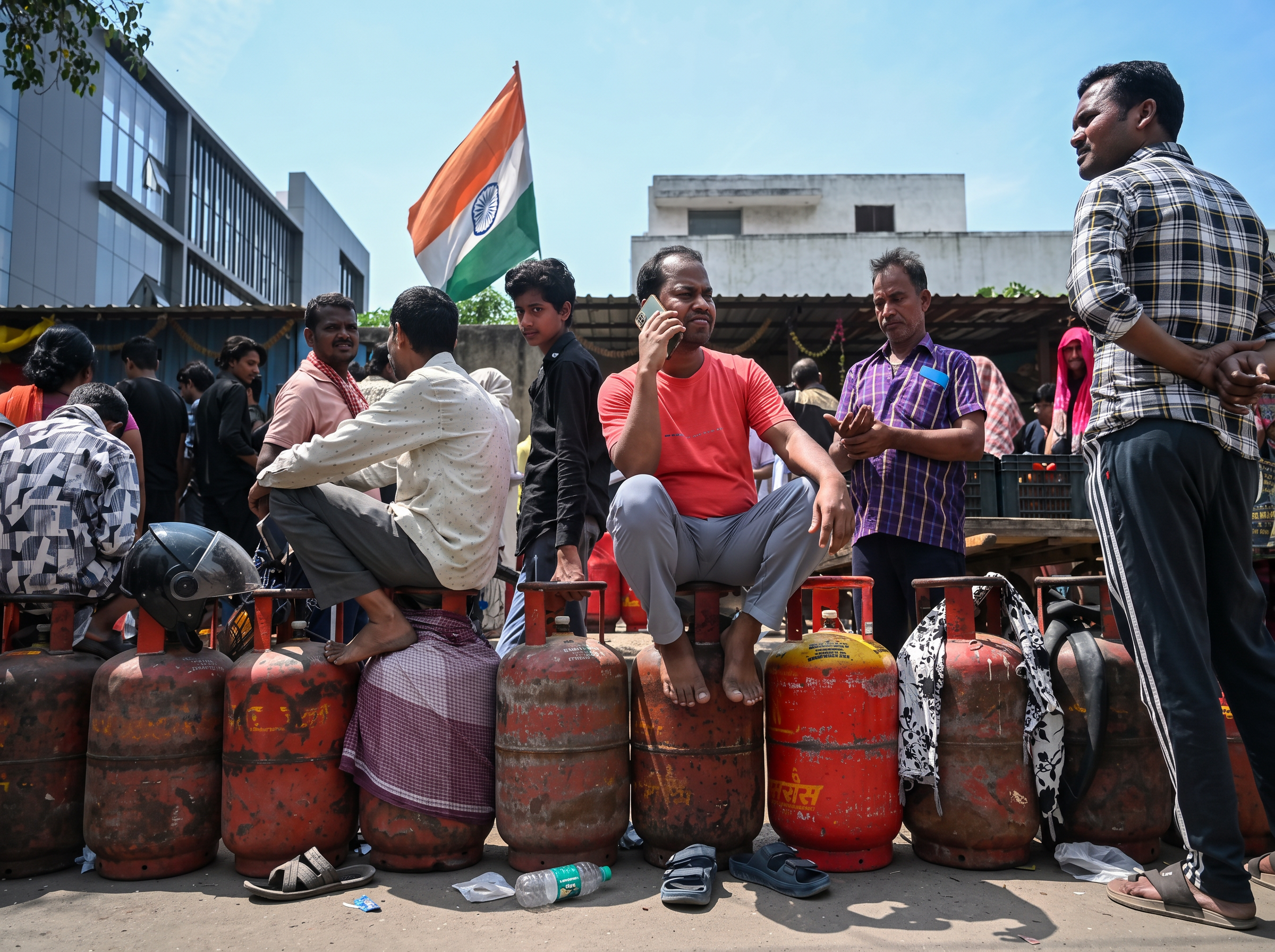
India's dependency on crude oil imports poses a considerable risk to its energy security. Recent geopolitical events, such as Iran's temporary closure of the Strait of Hormuz, stripped the nation of 40-50% of its crude oil supply, leading to unprecedented shocks throughout the economy. This situation has resulted in fuel price surges, domestic shortages, and cuts in airline services, highlighting the urgent need for India to enhance its self-reliance in energy production.
A new analysis from the New India Energy & Climate Center, in collaboration with Energy Innovation, points towards a transformative solution that could capitalize on India’s agricultural resources. The nation can turn agricultural waste and green hydrogen into sustainable aviation fuel (SAF), potentially achieving lower production costs than conventional jet fuel by the early 2030s.
Leveraging Agricultural Residue and Green Hydrogen
The Role of Green Hydrogen
As India aims to foster a self-reliant economy through the production of clean energy, green hydrogen has emerged as a pivotal component. Recent government efforts have driven down the cost of green hydrogen significantly—from $4.67 per kilogram in mid-2025 to around $3.23 by February 2026. With projections suggesting prices may fall below $3/kg by 2030, the country is poised to lead globally in the production of cost-effective green hydrogen, a critical feedstock for SAF.
Agricultural Residue as a Resource
India also possesses extensive agricultural residue, which has traditionally been burned, contributing to severe air pollution and public health crises—accounting for an estimated 44,000 to 98,000 premature deaths annually. By repurposing this biomass through innovative platforms like BiofuelCircle, India can transform a hazardous agricultural practice into an economic opportunity, all while addressing critical environmental issues.
The Economic and Environmental Win-Win
India's shift towards power-and-biomass-to-liquids (PBtL) SAF production can reduce the nation's vulnerability to crude oil market fluctuations and stabilize fuel prices domestically. Additionally, this approach not only curbs air pollution but also fosters economic growth in rural sectors by creating new job opportunities and enhancing farmers' incomes through reliable biomass sales.
Regulatory Support is Key
To realize this potential, comprehensive government support is essential. Coordinating partnerships among agricultural suppliers, green hydrogen producers, SAF technology providers, and investors will be necessary to mitigate risks associated with pioneering projects. Potential regulatory measures could include increased SAF blending mandates, financial incentives, and initiatives to connect domestic SAF producers with international markets.
India's Future in Sustainable Aviation Fuel
The opportunities presented through the coupling of agricultural residue and green hydrogen offer a roadmap to not only fulfill rising SAF demand globally but also to create autonomous energy systems that prioritize climate goals. As India navigates this transition, it stands to benefit from being the lowest-cost supplier of regulated SAF while simultaneously tackling air pollution and enhancing national energy security.
Conclusion: A Nation's Call to Action
Acknowledging the interconnectedness of energy dependencies and economic resilience, India must act decisively to advance its SAF agenda. By investing in a clean, competitive aviation fuel infrastructure, the country can shift the narrative from vulnerability to innovation, paving the way for a self-sufficient energy future that uplifts rural communities and reduces environmental impacts from air quality issues.
Popular news
A double earthquake in Peru's Junin region has left five dead and many displaced, prompting extensive rescue operations and community support.





Subscribe to
our news
Get the most important updates and top stories in your inbox.