




 World02 Oct 2026
Indian Police Detain Opposition Politicians Amid Protests Over Election Chief
Opposition politicians were detained in New Delhi while protesting for the election chief's resignation, igniting tensions over India's electoral integrity
Politicians Detained During Protests in New Delhi
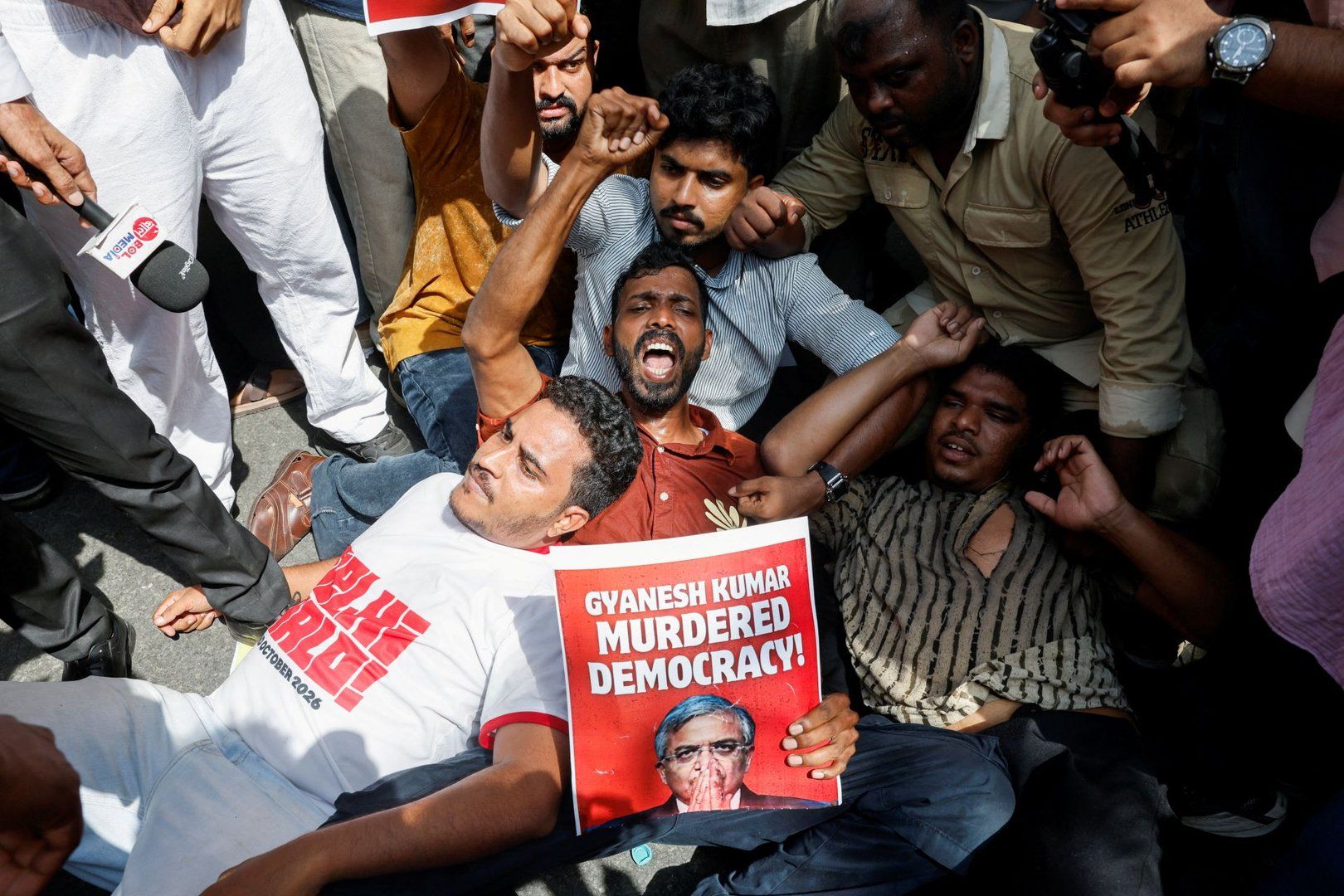
On October 2, 2026, Indian police in New Delhi took action against opposition politicians and demonstrators calling for the resignation of the chief election commissioner, leading to a significant escalation of tensions surrounding the country's electoral process. The protests attracted thousands of participants, prompting authorities to deploy massive police forces to manage the crowd and block major roads in the capital.
Background of the Protests
The demonstrations were sparked by mounting dissatisfaction with the current electoral oversight in India. Critics argue that the chief election commissioner has not acted impartially and has failed to ensure fair electoral practices. This sentiment resonated deeply among opposition parties, who organized protests to voice their grievances and demand accountability in India's democratic processes.
Police Response and Public Reaction
Thousands of police personnel were stationed across the city as the protests unfolded. Many roads were obstructed, causing significant traffic disruptions and frustration among citizens. Eyewitness accounts reported that police employed barricades to contain the crowds, leading to confrontations between law enforcement and demonstrators.
The swift detainment of opposition leaders has raised concerns regarding the government's commitment to upholding democratic rights and freedoms. Activists and supporters of the opposition view these actions as an attempt to suppress dissent and stifle political competition.
Implications for India's Electoral Future
As the protests continue, the fallout from these events could have long-lasting implications for India’s electoral landscape. Analysts suggest that the increasing public discontent and the government's heavy-handed approach might fuel further unrest and agitation against the electoral commission. The situation remains dynamic as opposition parties seek to maintain pressure on the government for reforms in the electoral process.
Conclusion
The developments in New Delhi underscore critical issues regarding electoral integrity and democratic processes in India. The response of law enforcement and the government to these protests will be closely monitored by political observers and citizens alike as the nation grapples with its future direction in governance and civil rights.
Popular news
Nuveen acquires Schroders, creating a $2.6 trillion asset management powerhouse.


Subscribe to
our news
Get the most important updates and top stories in your inbox.