




 Technology31 May 2026
How Turkey Transformed the Hair Transplant Industry
Turkey has rapidly become a leader in the hair transplant industry, merging affordability with innovation.
The Rise of Turkey as a Hair Transplant Hub
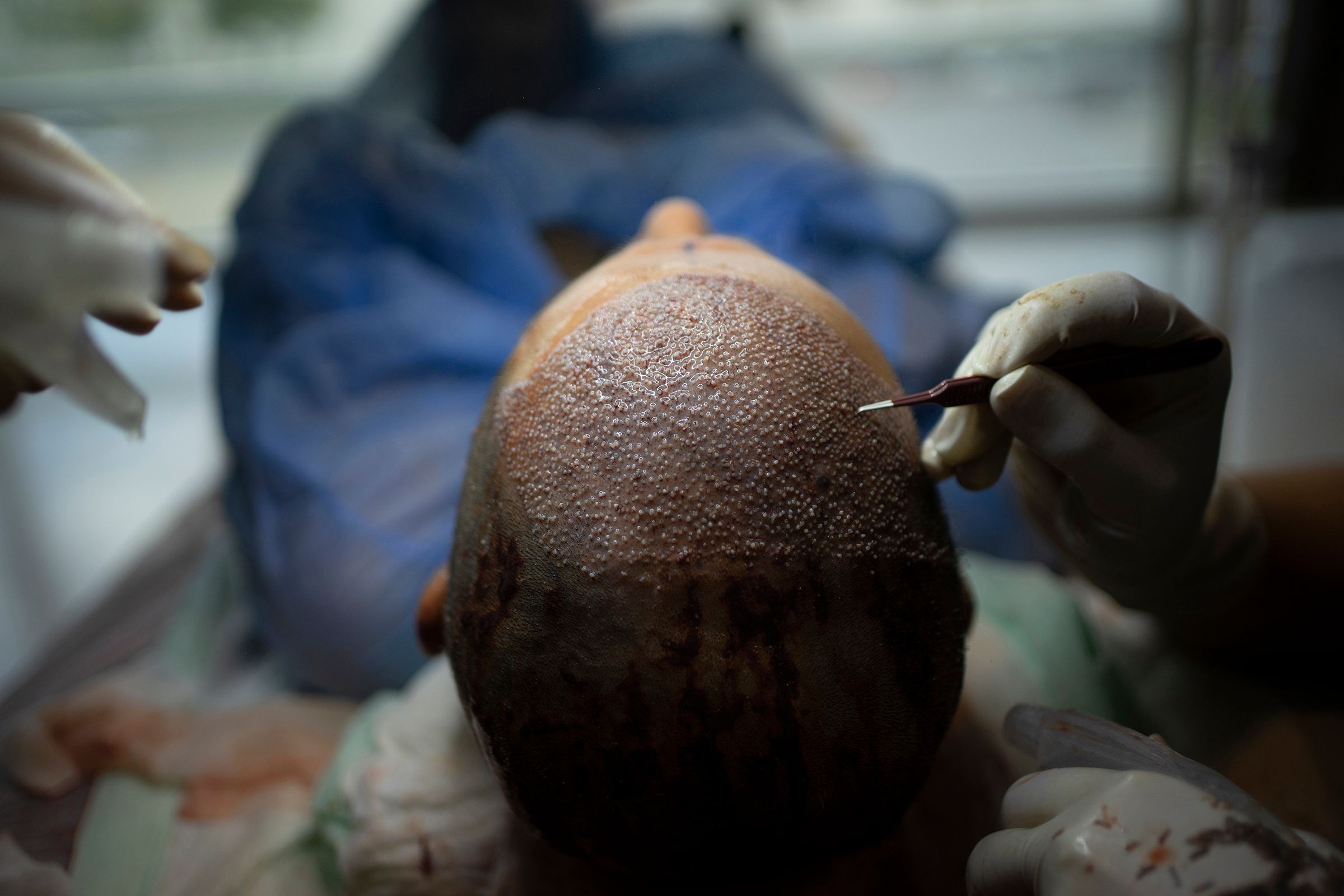
Over the past two decades, Turkey has transformed its hair transplant industry into a global powerhouse, attracting millions of medical tourists. This achievement is driven by a mix of affordable options, cutting-edge medical techniques, and a strong emphasis on patient care, enabling the market to project outstanding growth.
Economic Impact and Medical Tourism
The worldwide hair transplant industry is predicted to reach between $7.33 billion and $11.61 billion by 2024. Notably, Turkey's positioning as a medical tourism hub contributes significantly to this growth. In 2025 alone, 1.39 million individuals are expected to visit Turkey for medical treatments, with a substantial number seeking hair restoration.
Turkey has cleverly marketed hair transplants through aviation expressions like “Turkish Hair Lines,” referencing Turkish Airlines, and even rebranding Istanbul Airport as “Istanbul Hairport.” This clever branding illustrates the monumental role hair transplants play in Turkish tourism.
Evolution of Hair Transplant Techniques
The emergence of the hair transplant sector in Turkey can be traced back to physician Dr. Mustafa Tuncer's vision in the late 1990s. Aiming to keep Turkey's celebrities from seeking cosmetic procedures abroad, Tuncer established the Esteworld clinics. He aimed to revolutionize Health Tourism, merging plastic surgery and hair restoration in world-class facilities.
As innovations continued, Health Tourism 2.0 emerged around the 2010s, allowing clinics to transform into educational academies, bolstering the quality of services provided.
Master-Apprentice Model in Hair Transplantation
Tuncer emphasizes that the foundation of this evolution lies in the importance of hair follicles, which must be treated like vital organs. The industry attracted a wave of doctors who, after building their expertise, opened boutique clinics that prioritized patient care over commercial interests.
Innovation and Technology in Hair Restoration
The manual dexterity and craftsmanship from Turkey's artisanal heritage have facilitated remarkable advancements in hair transplantation techniques. Dr. Koray Erdoğan, a pioneer of the Follicular Unit Extraction (FUE) method, highlights that precise manual skills remain crucial even in a rapidly evolving technological landscape. The implementation of AI and robotics in hair transplant planning—such as the development of KE-BOT, which uses deep learning to optimize extraction—has drastically enhanced results.
Addressing Challenges and Unregulated Clinics
While the industry burgeoned, the rise of unlicensed clinics following 2015 posed severe risks to Turkey's reputation. These underground operations frequently employed unqualified personnel leading to subpar results for patients. Erdoğan observed an influx of clinics performing up to 80 procedures daily with minimal oversight.
In response, innovations were necessary, leading to the creation of hybrid systems combining human skill with the data precision of AI—an approach far superior to purely robotic transplantation systems.
Engineering Solutions to Meet Demand
As demand skyrocketed, Turkish engineers also revolutionized surgical equipment, adapting dental motors for hair transplants. This innovation enabled surgeries initially taking multiple days to be completed in just six hours, enhancing both patient and surgeon experiences.
Additionally, the introduction of synthetic sapphire blades allowed surgeons to create less damaging channels for hair implantation, consequently reducing healing times dramatically. Surgical adaptability became crucial in meeting the varied anatomical challenges posed by patients from different ethnic backgrounds.
The Future of Hair Restoration in Turkey
Despite Turkey's achievements, the emergence of widespread unlicensed practices and aggressive marketing strategies has triggered concerns about the industry’s future. Many experienced professionals are participating in the exodus to other countries, which undermines the long-term quality associated with Turkish hair restoration clinics.
Conclusion
As the Turkish hair transplant industry continues to evolve, the focus must shift towards enhancing brand credibility rather than merely competing on price. The preservation of medical ethics and a patient-centered approach will be essential to maintaining Turkey’s status as a leader in the global hair restoration market. Turkey's impressive journey is a testament to its unique blend of craftsmanship, engineering innovation, and a culture built on patient care.
Popular news
The Ebola outbreak in the DRC is disproportionately impacting women, primarily caregivers facing serious health risks amid funding cuts.




Subscribe to
our news
Get the most important updates and top stories in your inbox.