 Technology19 May 2026
Exploring the Garmin Forerunner 70: A Game-Changer for Beginner Runners
Discover the features and upgrades of Garmin's new Forerunner 70 running watch, now with high-end training tools for beginner runners.
Overview of the Garmin Forerunner 70
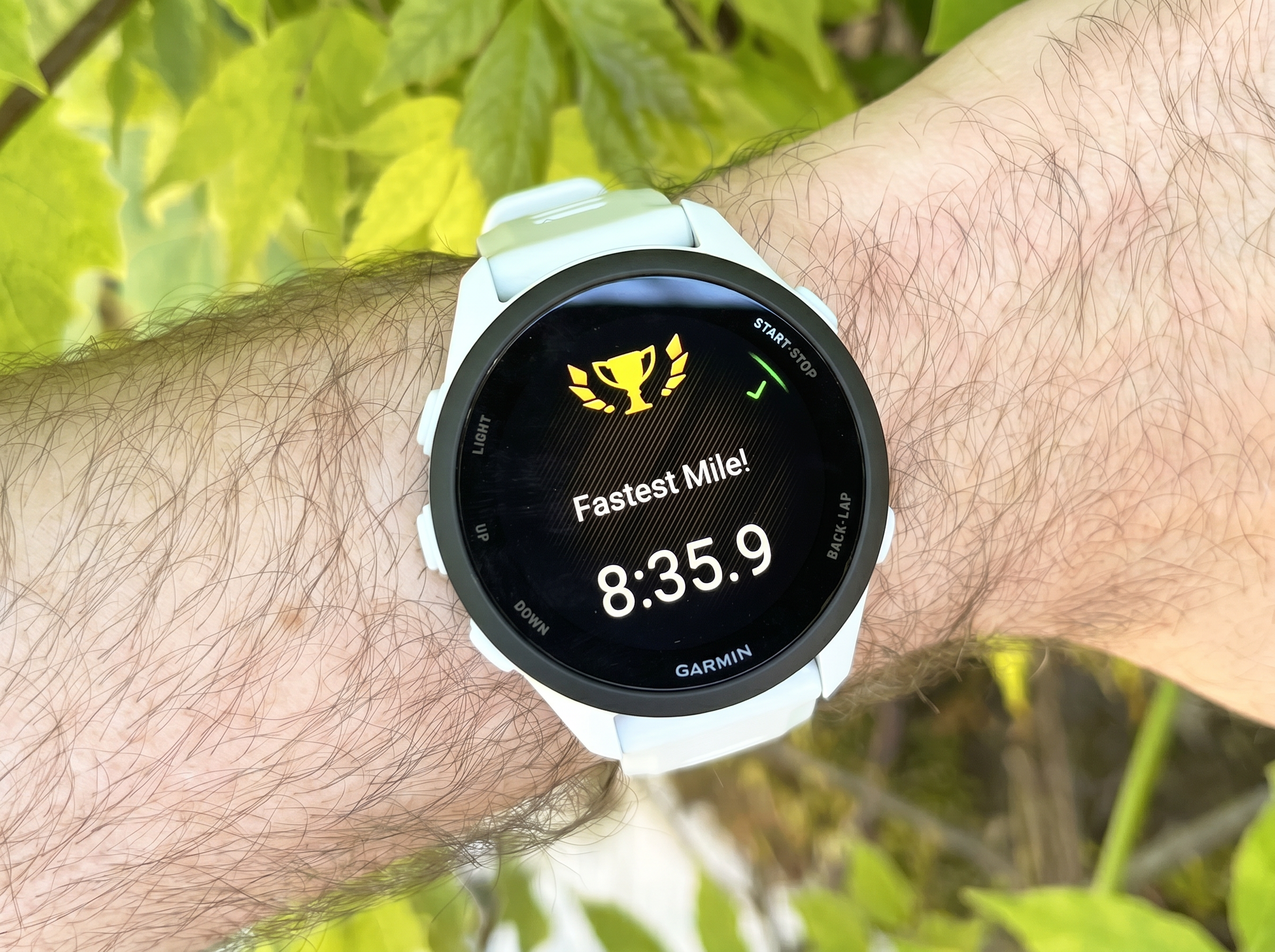
The Garmin Forerunner 70 has officially entered the market as a premier entry-level running smartwatch, priced at $249, which is $50 higher than its predecessor, the Forerunner 55. This rise in cost is justified by several new features, including a vibrant 1.2-inch AMOLED display and advanced training tools previously reserved for more expensive models. Initial user impressions have been encouraging, and a full review is anticipated soon.
Key Features of the Forerunner 70
1. Price and Value
The updated Forerunner 70 replaces the now five-year-old Forerunner 55, which launched at $199 in June 2021. While adjusting for inflation places the old price around $240 today, the Forerunner 55 has often been available at approximately $169, making the Forerunner 70's price increase feel notably steep. However, the upgraded features more than compensate, including the stunning AMOLED display and an enhanced array of health sensors along with several new training functionalities.
2. Design Elements
Resembling the Forerunner 170, the Forerunner 70 exhibits a 42.6mm case that weighs roughly 40g, lining it up against competitors like the Apple Watch Series 11. Despite being crafted from reinforced polymer (plastic), the device features an impressively bright screen that performs admirably in daylight. Its touch-sensitive interface is complemented by physical buttons that provide an excellent user experience, especially after a jog.
3. Comprehensive Training Tools
Garmin has outfitted the Forerunner 70 with a wealth of advanced training tools usually limited to higher-end running watches. Users will benefit from Garmin’s Run Coach, which offers personalized training plans for various race distances, from 5K to full marathon. Additional metrics including training status, training load, race time predictions, and health reports are also available, making this watch suitable for both new runners and more seasoned athletes.
4. Feature Limitations
To maintain the price point, the Forerunner 70 lacks certain features found in the pricier Forerunner 170, such as a barometric altimeter, body temperature sensor, NFC technology, and music storage. It relies on GPS for elevation calculations, meaning climb data accuracy may not be on par with more expensive competitors. These omissions may deter some potential users but still ensure a robust performance for the target market of beginner runners.
5. Battery Life
Despite featuring a more energy-intensive display, the Forerunner 70 manages an impressive battery life of up to 13 days. Engaging the always-on display reduces this to five days, but even under GPS tracking, workouts will see between 16 and 23 hours of effective use. This makes it comparable to the older Forerunner 55 but with improved display capabilities.
Final Thoughts
Despite the price increase, the Garmin Forerunner 70 embodies a significant upgrade overall. It provides an attractive combination of tracking features, an appealing design, and the potential to grow with the user over time. The upcoming comprehensive review will reveal how well this watch stands against other competitors in the fitness smartwatch market.
As Garmin continues its legacy in creating innovative tools for athletes, the Forerunner 70 is well-positioned as a top choice for entry-level runners in 2026.
Popular news
Israeli PM Netanyahu declares control of 60% of Gaza, with Defence Minister Katz indicating rapid changes in the situation.




Subscribe to
our news
Get the most important updates and top stories in your inbox.