 Technology18 May 2026
Controversial ICE Trainer Linked to Multiple Fatal Shootings Raises Alarms
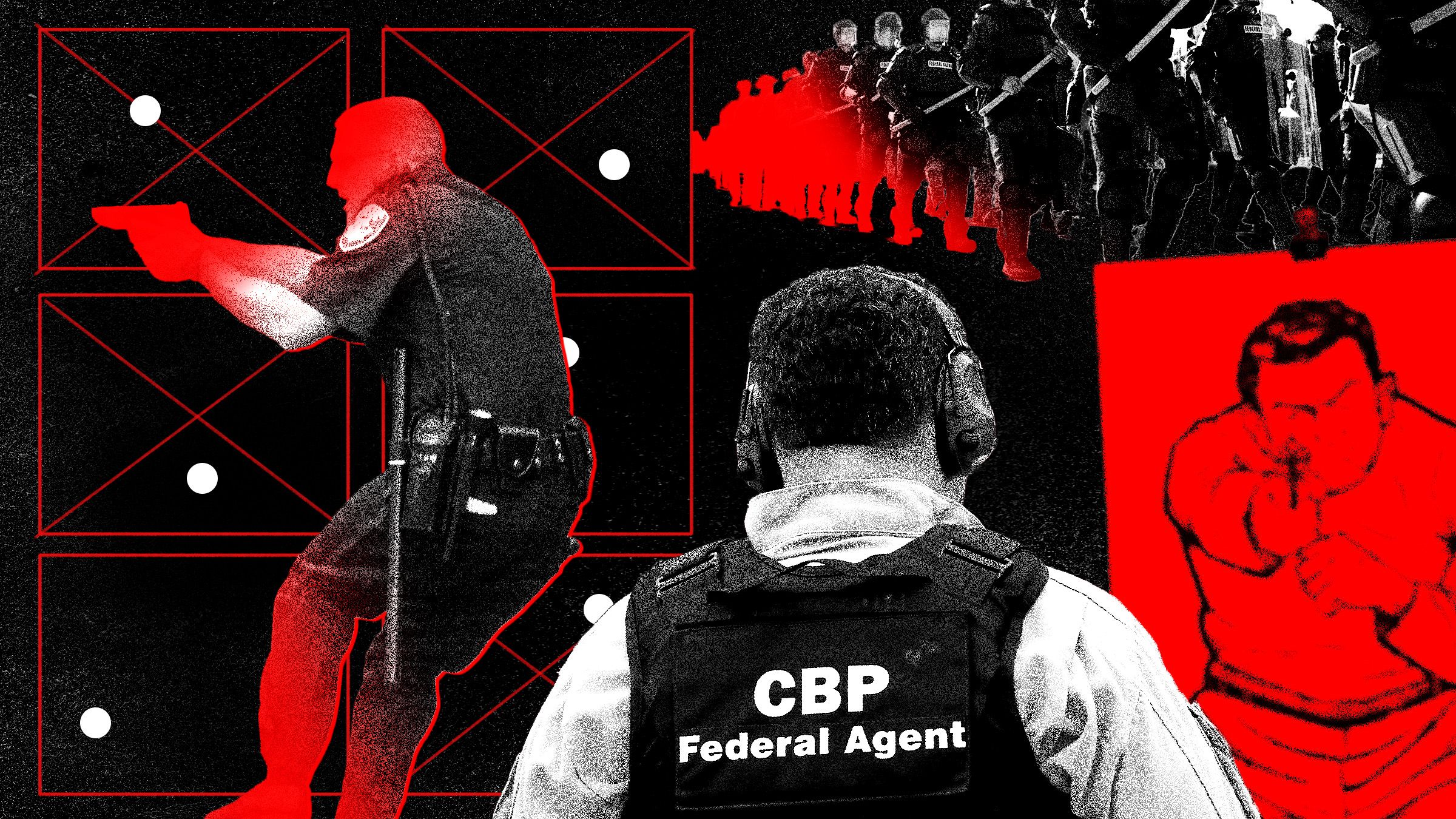
David S. Norman, a firearms trainer for ICE, is linked to four deadly police shootings, raising serious concerns about tactical training for federal agents
Overview of David S. Norman's Background
David S. Norman, founder of TruKinetics LLC, has stepped into the spotlight due to troubling revelations regarding his past as a firearms trainer for the U.S. Immigration and Customs Enforcement (ICE). Testifying in a 2021 deposition related to a lawsuit, Norman acknowledged his involvement in at least four fatal shootings during his tenure as a Phoenix police officer. This history has sparked criticism concerning the appropriateness of his aggressive training methods for federal agents.
Norman’s Police Career and Training Role
Serving as a Phoenix police officer from the late 1990s until 2020, Norman recorded a remarkable and controversial history, engaging in six shootings that resulted in four fatalities and two injuries. The Phoenix Police Department confirmed that in all incidents, Norman fired upon armed suspects, with exchanged gunfire occurring in several cases.
In 2020, shortly after his retirement, he founded TruKinetics in Gilbert, Arizona, specializing in training law enforcement in various tactics including close-quarters combat, hostage rescues, and sniper techniques. According to government procurement records, his firm was contracted for a significant $27,748 to provide annual training for members of the Department of Homeland Security's Special Response Teams (SRT).
Implications of Training Methods
Concerns Regarding Tactical Training
Norman’s training sessions drew scrutiny under the shadow of recent violent incidents involving ICE's enforcement teams. SRTs, once dedicated to high-risk operations, have increasingly been deployed for immigration enforcement and crowd control—tasks they were previously restricted from undertaking. This shift in mission raises critical questions about the appropriateness of training these teams under Norman's direction who embraces an aggressive philosophy towards policing.
In a podcast appearance, Norman referred to himself as “a savage,” expressing his desire for high-risk confrontations and even joking about police shootings as if they were routine. Such attitudes provoke alarm among advocates for more stringent oversight of police training and operations.
Recent Scrutiny of ICE Operations
The violent actions of SRT members, implicated in the deaths of protesters Casey Good and Alex Pretti during immigration operations, have intensified the debate over the militarization of immigration enforcement. Furthermore, revelations about Norman's past and his connection to fatalities during police encounters are leading to calls for reform.
In June 2024, a report by federal investigators concluded that the Phoenix Police Department exhibited a pattern of unconstitutional policing practices, including excessive use of force. This backdrop amplifies concerns regarding the current use of trained paramilitary units—where Norman’s influence may extend.
Recommendations and the Future of ICE Training
Need for Training Reassessment
Experts have voiced concerns over the implications of utilizing SRTs in handling civil immigration enforcement. John Sandweg, former acting director of ICE, highlighted the inherent risks associated with deploying these tactical units in non-violent situations, suggesting that it sets the stage for dangerous escalations.
The broader ramifications of Norman's training contract raise significant issues about the selection and training practices used for federal enforcement agencies. Calls are growing for updated training protocols that emphasize de-escalation and proper use-of-force principles.
Shifting Landscape of Immigration Enforcement
Amid the recent public outcry following violent encounters, Homeland Security has begun scaling back paramilitary operations, prompting a reevaluation of tactics and training—potentially signaling a transformative period in how immigration enforcement is conducted in the U.S. As the community calls for accountability and transparency continue, the future of paramilitary applications in civil situations remains uncertain.
Popular news
The WHO has declared a public health emergency over the Ebola outbreak in the DRC and Uganda, warning against international border closures.



Subscribe to
our news
Get the most important updates and top stories in your inbox.