





 Technology19 Jun 2026
ASML Defends Against US Claims of EUV Tech Presence in China
ASML strongly denies US claims that its EUV machinery may have reached China, citing strict export controls and internal measures.
Overview of the Situation
U.S. Commerce Secretary Howard Lutnick has recently expressed serious concerns regarding the possibility that ASML's extreme ultraviolet (EUV) lithography machines may have made their way to China, potentially breaching strict export controls that have been in place since the Trump administration. Such a breach could have significant implications, given ASML's pivotal role in global semiconductor manufacturing.
ASML's Strong Denial
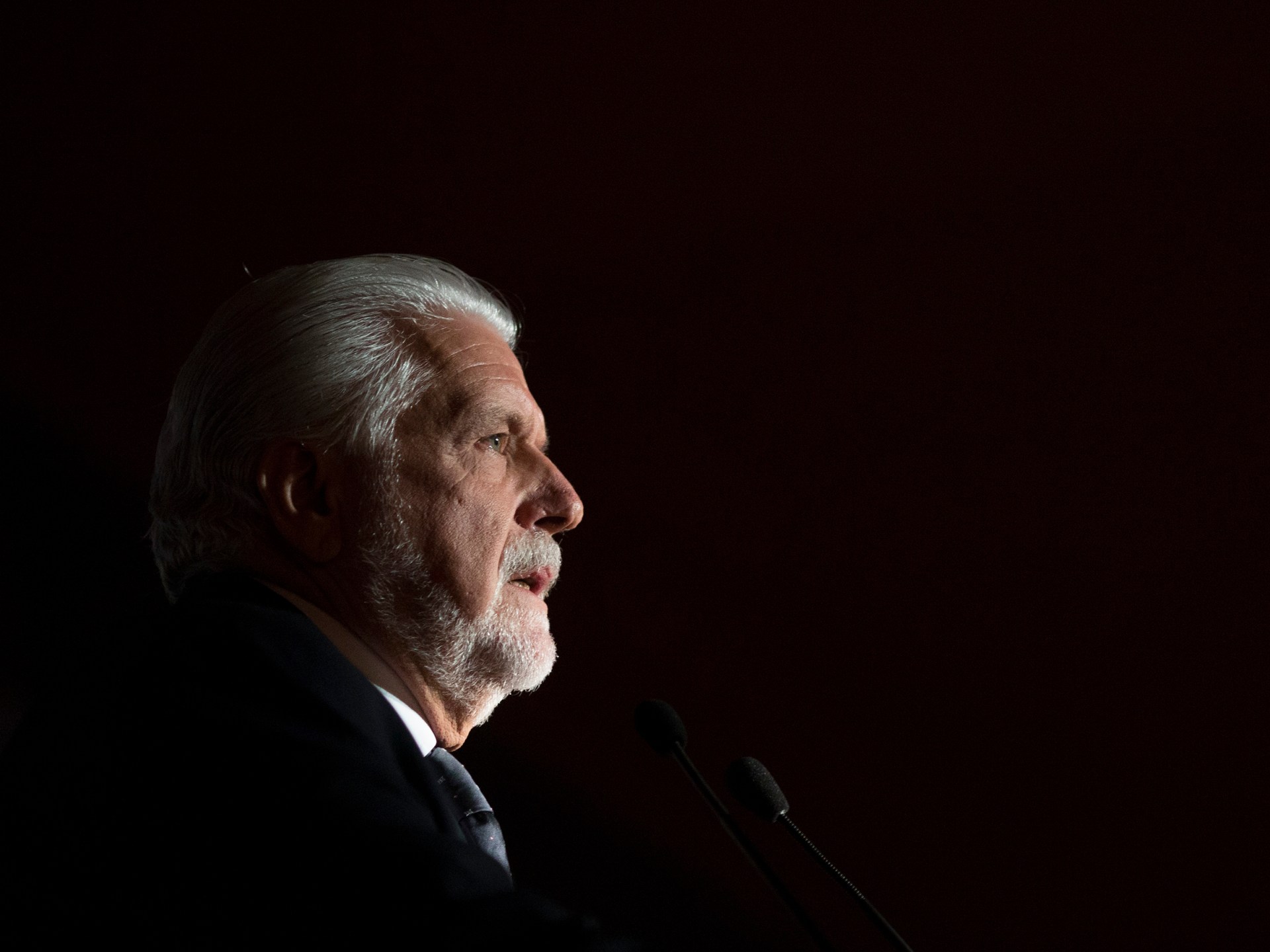
In response to these allegations, ASML has categorically denied any claims that EUV machines exist in China. The company asserts that it maintains rigorous internal controls to prevent access to EUV technology by its Chinese personnel. Christophe Fouquet, CEO of ASML, clarified that every machine shipped by the company is tracked meticulously, either being actively used by compliant customers or returned to the company after dismantling.
Detailed Internal Controls
Fouquet emphasized the protective measures in place, outlining that employees with access to EUV technology and documentation are insulated from those who do not. ASML's Chinese staff falls on the wrong side of that firewall by design, minimizing any risk of compromising sensitive technologies. He confidently stated that the company's deep history in semiconductor technology makes it nearly impossible for any Chinese entity to reverse-engineer EUV machines.
The Geopolitical Context
This dispute is particularly salient given ASML's monopoly on advanced lithography equipment, essential for the manufacture of cutting-edge chips utilized in AI and other technologies. ASML's tools enable the production of all leading processors by companies like TSMC, which powers major players including Nvidia and Apple. The monopolistic position of ASML, valued at approximately $700 billion, raises significant stakes in the context of U.S.-China relations.
Legislative Actions and Implications
Meanwhile, there are ongoing discussions in the U.S. Congress about tightening export controls further. A bipartisan bill is reportedly proposing to ban all sales of ASML’s deep ultraviolet (DUV) lithography tools to China, potentially affecting about 20% of the company’s projected revenue for 2026. The implications of such legislative actions involve not only ASML's market position but also the broader landscape of semiconductor manufacturing and international trade policies.
Competitive Landscape and Future Prospects
In addition to the current scrutiny from U.S. officials, ASML faces pressure from emerging technologies. The Commerce Department has invested taxpayer funds into a startup developing next-generation light-source technology seen as a future competitor to ASML. However, Fouquet remains skeptical about the necessity of these advancements for ASML’s continued dominance in the field.
Conclusion
While allegations regarding ASML's EUV technology potentially reaching China remain unproven, the concerns highlight the intricate relationship between advanced technology, geopolitics, and the international regulatory landscape. ASML's robust denial and insistence on compliance with export controls underscore the critical importance of maintaining technological integrity in a rapidly evolving global marketplace.
Popular news
Filipino conjoined twins Olivia and Gianna have been successfully separated after a complex six-hour surgery in Saudi Arabia.

Subscribe to
our news
Get the most important updates and top stories in your inbox.